Unpacking the Ending of Nolan’s The Odyssey: A Modern Take on an Ancient Epic
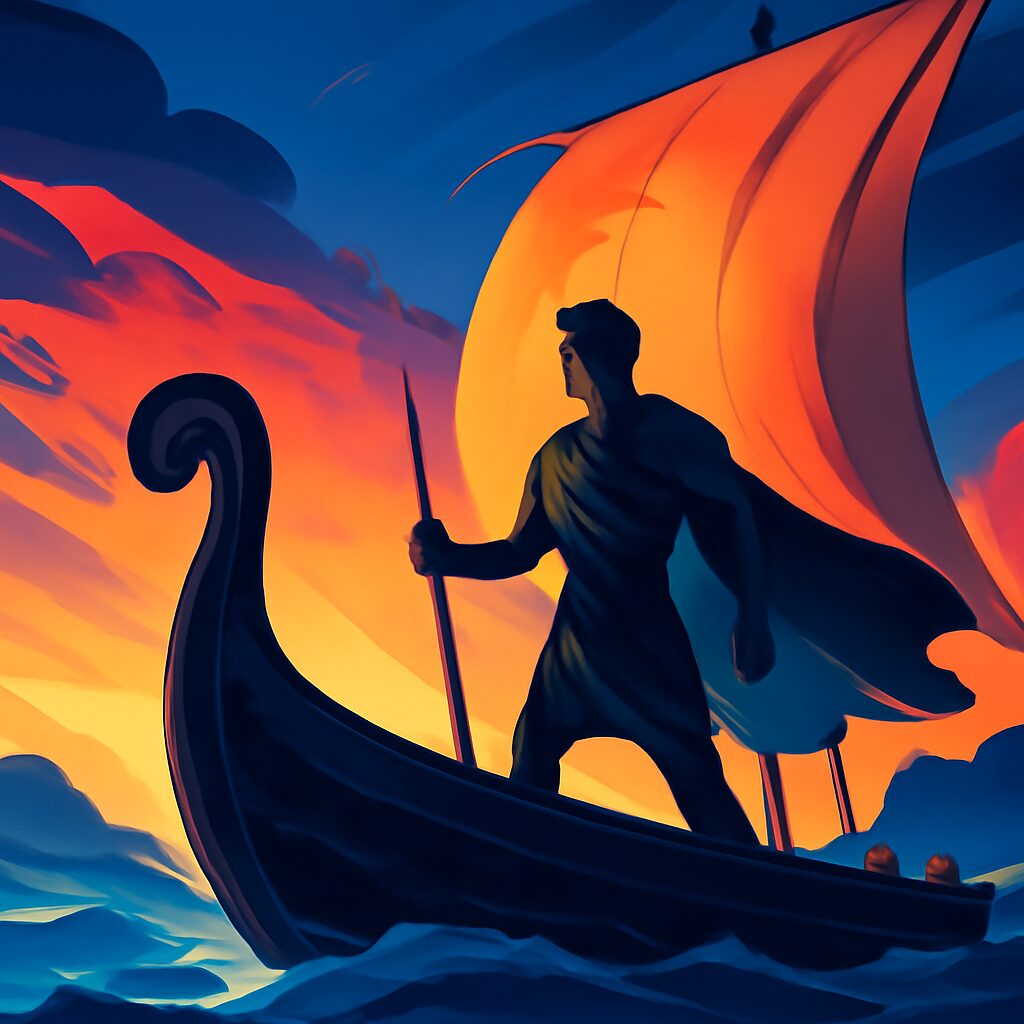
Alright, fellow gamers and movie buffs! Let’s break down the ending of Christopher Nolan’s latest flick, The Odyssey. Spoilers ahead, so buckle up if you haven’t seen it yet!
First off, it might seem a bit odd to dissect the conclusion of a story that has been around for thousands of years, but Nolan takes some creative liberties that shift the focus from the original tale by Homer. In his 2026 adaptation, the final scenes really highlight what the film aims to convey—that war is a brutal reality.
To give you a bit of context, let’s recap the finale. Odysseus, played by Matt Damon, finally makes his way back to Ithaca after a long absence. Following the advice of Agamemnon’s spirit, he disguises himself as a beggar to assess the situation at home. It turns out that a bunch of suitors have taken over his palace, all vying for his wife Penelope’s hand in marriage, brilliantly portrayed by Anne Hathaway.
Odysseus meets his loyal friend Eumaeus, who doesn’t recognize him (cut him some slack; he’s blind), and learns that his son Telemachus (Tom Holland) is in hot water thanks to the scheming suitors, led by the conniving Antinous (Robert Pattinson). With a few clever tricks, Odysseus ultimately reveals himself, and after an epic showdown with the suitors, he reclaims his home. But it’s not just about coming back—it’s a deeper exploration of the ramifications of war, a theme that resonates throughout the film.
Now, before we dive into the crux of the narrative, it’s crucial to touch on a pivotal scene between Odysseus and Penelope. The heart of the movie isn’t merely about plot twists; it’s about the themes that Nolan weaves throughout. Odysseus engages in a profound conversation with Penelope, outlining the painful truths about his actions during the Trojan War. He confesses that while he led the army to victory, the cost was immense, and the consequences of their actions haunt him.
Throughout the film, we’re introduced to the “Men From the Sea,” who symbolize the devastation caused by Odysseus’s own crew. They sacked villages and inflicted suffering during their return journey, showing that, contrary to the heroic narrative, they were not so noble after all. Odysseus’s own hubris gets them stuck in a cycle of violence, highlighting how pride can lead to downfall.
By the time Odysseus and Penelope reunite, much has changed. She’s been waiting for years, but in many ways, he died the moment he devised the Trojan Horse plan. The movie suggests that war tears apart civilizations, and as Odysseus reflects on this, it becomes clear that they are both aware of the cyclical nature of history. Their conversation hints at the idea that every rising sun could lead to a new dawn or a repeat of past mistakes.
In contrast to Homer’s original ending, where Odysseus reunites with his father Laertes, Nolan chooses to focus on Odysseus and Telemachus. This shift emphasizes the failures of the older generation and the responsibility of the youth to forge a new path. It’s a strong statement about learning from history—or facing the consequences of ignoring it.
So, what’s the takeaway from Nolan’s The Odyssey? It’s a poignant reminder that the lessons from our past, especially regarding the horrors of war, still echo in today’s world. As the characters chase the fading light, we’re left pondering whether humanity can truly learn from its mistakes or if we’re doomed to repeat them. In short—war sucks, man.
As an Amazon Associate, PakGamersHub earns from qualifying purchases.