Christopher Nolan’s The Odyssey: A Cinematic Journey Through Time and Guilt
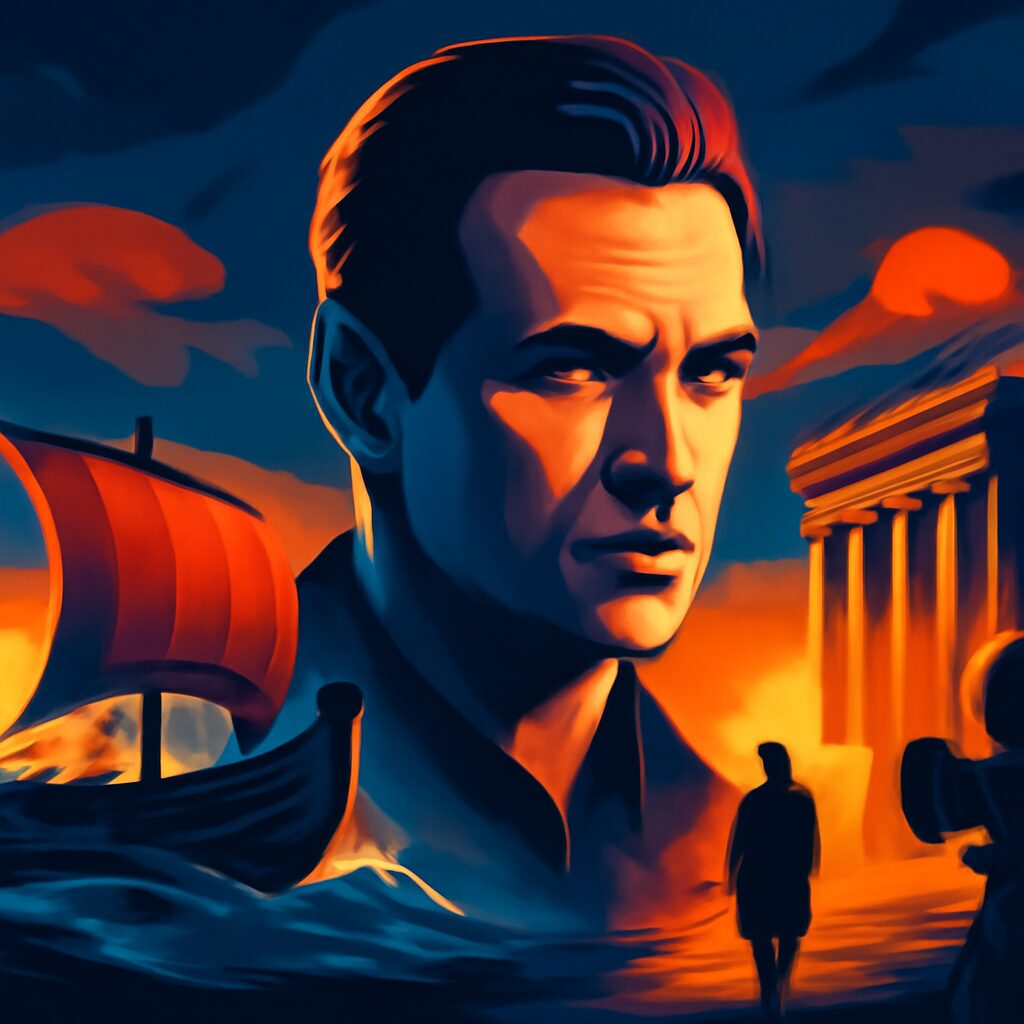
Christopher Nolan has done it again with his latest film, The Odyssey, breathing new life into Homer’s timeless epic. This 172-minute cinematic adventure opens with a familiar montage style that fans of Nolan will recognize. Just like in his previous works, from The Dark Knight to Oppenheimer, the film kicks off with a voiceover that sets the tone, mixing haunting visuals and powerful themes about truth and self-deception, all while Travis Scott’s bard-like character narrates the unfolding saga.
What stands out in The Odyssey is how Nolan manages to retain the essence of the original story while infusing it with his signature flair. The film deals with Odysseus, played by Matt Damon, navigating his way through a world filled with deceptions and moral complexities, particularly highlighted by the infamous Trojan Horse. It’s a fresh take that feels uniquely Nolan, blending the ancient world with contemporary themes that resonate today.
Throughout his career, Nolan has explored the journey of men seeking redemption, and The Odyssey is no different. While Homer’s tale has shaped Western literature for millennia, Nolan’s adaptation wrestles with the darker facets of heroism and the price of ambition. He doesn’t just tell a story of adventure; he digs deeper into the psyche of his characters, especially Odysseus, painting him as a conflicted figure rather than a straightforward hero.
Nolan’s unique vision also reflects contemporary issues. The Odyssey examines themes of imperialism and moral dilemmas, drawing parallels between the ancient world and modern America. Characters like Penelope, played by Anne Hathaway, and Telemachus, portrayed by Tom Holland, grapple with the consequences of Odysseus’s actions. The film raises questions about justice, honor, and the burdens that come with leadership, showcasing a narrative that feels alarmingly relevant today.
One of the most compelling aspects of Nolan’s interpretation is the way he navigates the divine elements of the story. In this version, the gods serve more as reflections of Odysseus’s own inner conflicts rather than external forces shaping his fate. Athena, played by Zendaya, appears not just as a deity but as a manifestation of Odysseus’s guilt, echoing themes from previous Nolan films where characters deal with their haunted pasts.
The film’s visual storytelling is nothing short of breathtaking, with Nolan employing stunning 70mm IMAX cinematography to create a sense of scale and isolation. The expansive landscapes serve to emphasize the loneliness of Odysseus’s journey, a narrative choice that enhances the emotional weight of the film. Nolan’s collaboration with cinematographer Hoyte van Hoytema has resulted in a raw and textured aesthetic that perfectly complements the film’s themes.
As the narrative unfolds, we’re treated to a blend of chaotic action and poignant introspection, with flashbacks that reveal Odysseus’s troubled past. The editing, crafted by Jennifer Lame, seamlessly transitions between moments of tension and reflection, creating a tapestry of experiences that enrich the storytelling. It’s a departure from Nolan’s usual linear approach, leaning more towards a fragmented style reminiscent of early cinema while still maintaining the epic feel of a classic Hollywood adventure.
Ultimately, The Odyssey becomes a tale not just about a journey home, but about the burdens of guilt and the quest for redemption. Nolan’s film serves as a poignant reminder of the complexities of heroism and the ethical implications of our actions, wrapping it all in a visually stunning package that is sure to leave audiences pondering long after the credits roll. This is a film that not only reinvents a classic but also invites viewers to reflect on their own narratives and the legacies they leave behind.
As an Amazon Associate, PakGamersHub earns from qualifying purchases.