From Annihilation’s Flaws to Flawless Future: The Wild Ride of Mortal Kombat Movies
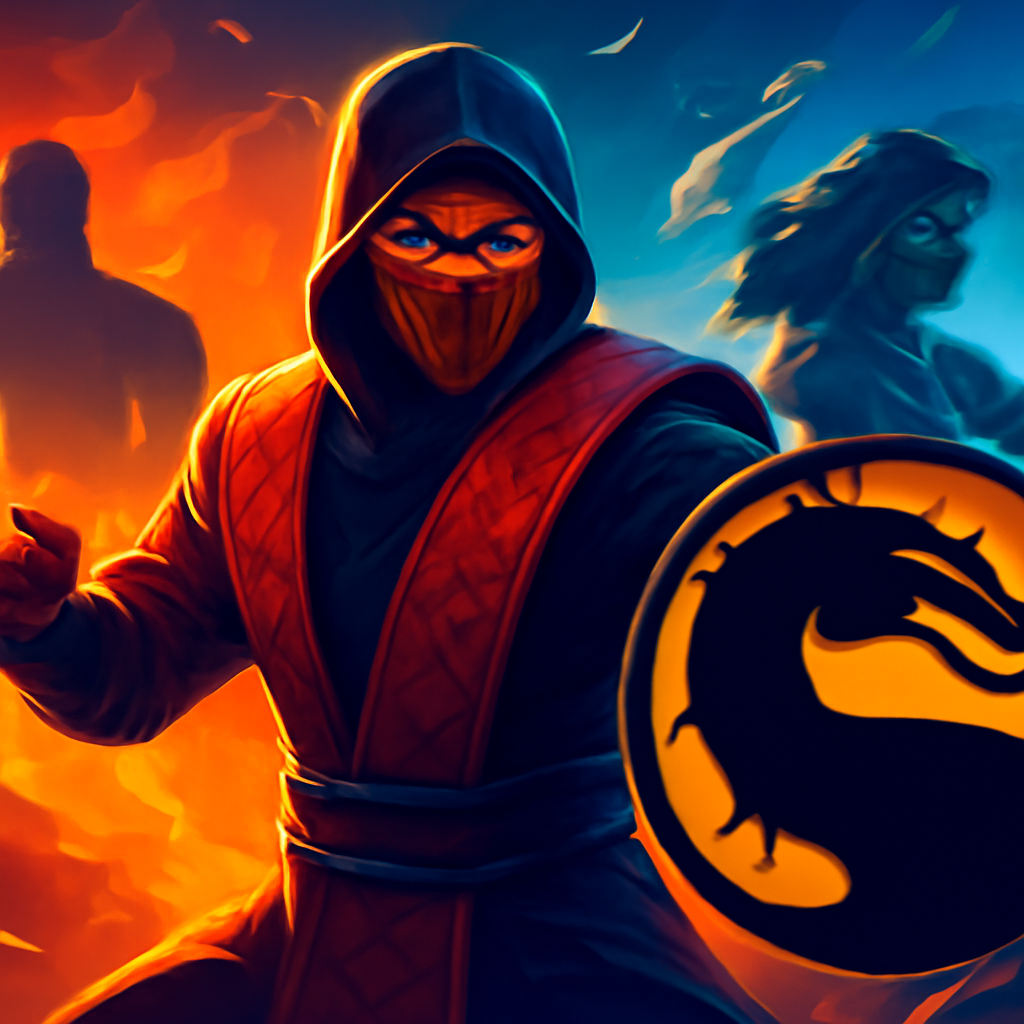
Salaam, PakGamersHub fam! We all know the hype around the upcoming Mortal Kombat II movie is real. Warner Bros. is so confident, they’ve pushed it to kick off their Summer 2026 season – a massive vote of confidence for a video game adaptation! But before we get to that potentially flawless victory, let’s take a nostalgic (and sometimes cringe-worthy) trip down memory lane to see how far these movies have truly come, especially when you think about its infamous predecessor: 1997’s Mortal Kombat: Annihilation.
For many of us who grew up in the 90s, video game movies were a mixed bag, to say the least. Hollywood was still figuring out how to translate our beloved pixels to the big screen without totally butchering them. We had some… interesting attempts like 1993’s Super Mario Bros. (yeah, we don’t talk about that one much) and the equally forgettable Double Dragon. Then came Street Fighter in ’94, which, despite its quirky casting (Van Damme as Guile, anyone?), actually managed to rake in some serious cash, showing there was gold in those gaming IPs.
But then, New Line Cinema chose their fighter wisely: Mortal Kombat. Back in the early 90s, MK wasn’t just a game; it was a cultural phenomenon. Remember the arcade days? MK was tearing it up, sparking controversies, and even leading to the creation of the ESRB rating system – talk about impact! This notoriety made “Mortal Kombat” a household name, and when director Paul W.S. Anderson brought it to life in 1995, with input from creators Ed Boon and John Tobias, it was a smash hit. The martial arts tournament narrative, the iconic characters, the crunchy fatalities – it was pure escapism and became the highest-grossing video game adaptation of its time!
Annihilation: When “More” Became a Mess
Naturally, a sequel was inevitable. The mandate for Mortal Kombat: Annihilation was simple: go BIGGER. More characters, more mythology, more everything! The first three MK games had so much lore to tap into, and fans were hungry for more of that fantastical world. The ambition was there, and in hindsight, its attempt to build a sprawling “cinematic universe” before the term was even cool was, believe it or not, a step in the right direction – conceptually, at least.
Unfortunately, good intentions don’t always make good movies. Most of the magic from the first film, including director Paul W.S. Anderson (who opted for Event Horizon instead – a cult classic in its own right!), decided to pursue other projects. Only Robin Shou (Liu Kang) and Talisa Soto (Kitana) returned. The director’s chair went to John R. Leonetti, the cinematographer from the first movie, making it his directorial debut. Now, imagine tackling a martial arts epic packed with visual effects for your very first film – that’s a tall order!
Annihilation picks up right where the first left off. Shao Kahn, emperor of Outworld, crashes the victory party with a whole crew of characters from Mortal Kombat 3: Motaro, Ermac, Rain, Sheeva, Sindel. He breaks the rules, kills Johnny Cage (another recasting!), and gives Earthrealm six days before, well, annihilation. Our heroes scramble, seeking new allies like Jax and Nightwolf, discovering mystical “animalities,” and Raiden (now played by the wonderfully warm James Remar) pleads with the Elder Gods. We even get a wild twist: Shao Kahn and Raiden are brothers, sons of Shinnok!
The VFX Fatality and a Flawed Legacy
All these mythological expansions were the right idea for fans, but the execution? Yaar, that’s where it went sideways. The mid-90s were a challenging time for CGI. Studios wanted Jurassic Park-level visuals on B-movie budgets, and it just didn’t work. As our heroes journeyed deeper into Outworld, Annihilation’s reliance on visual effects turned into a cascading disaster. Remember Liu Kang turning into a dragon to fight Shao Kahn, who also turned into a dragon? That whole sequence was… something else. It looked more like a bad PS1 cutscene than a blockbuster movie finale.
The first Mortal Kombat movie ended with a genuinely satisfying, character-driven fight between Liu Kang and Shang Tsung, blending practical martial arts with emotional stakes. Annihilation, on the other hand, just couldn’t replicate that magic. It was a visual mess, a testament to what happens when ambition far outstrips budget and technology.
From Trial and Error to a New Dawn
Despite its flaws, Mortal Kombat: Annihilation isn’t even the worst video game movie out there these days (Doom: Annihilation, anyone? Even Bethesda disowned that one!). It was a stepping stone, a grand experiment that, while messy, tried to push the boundaries of what a game adaptation could be. It was doing “world-building” before the Marvel Cinematic Universe made it a household term, and for that, we can give it some credit.
So, as we eagerly await Mortal Kombat II in 2026, let’s appreciate the journey. We’ve come a long way from the rough-around-the-edges Annihilation. Today, studios are taking game adaptations seriously, delivering visually stunning films that respect the source material and give fans the epic experiences they deserve. Hopefully, Mortal Kombat II delivers that much-awaited flawless victory!
As an Amazon Associate, PakGamersHub earns from qualifying purchases.