Demigod: Remembering a PC Classic That Blended RTS & RPG Like No Other!
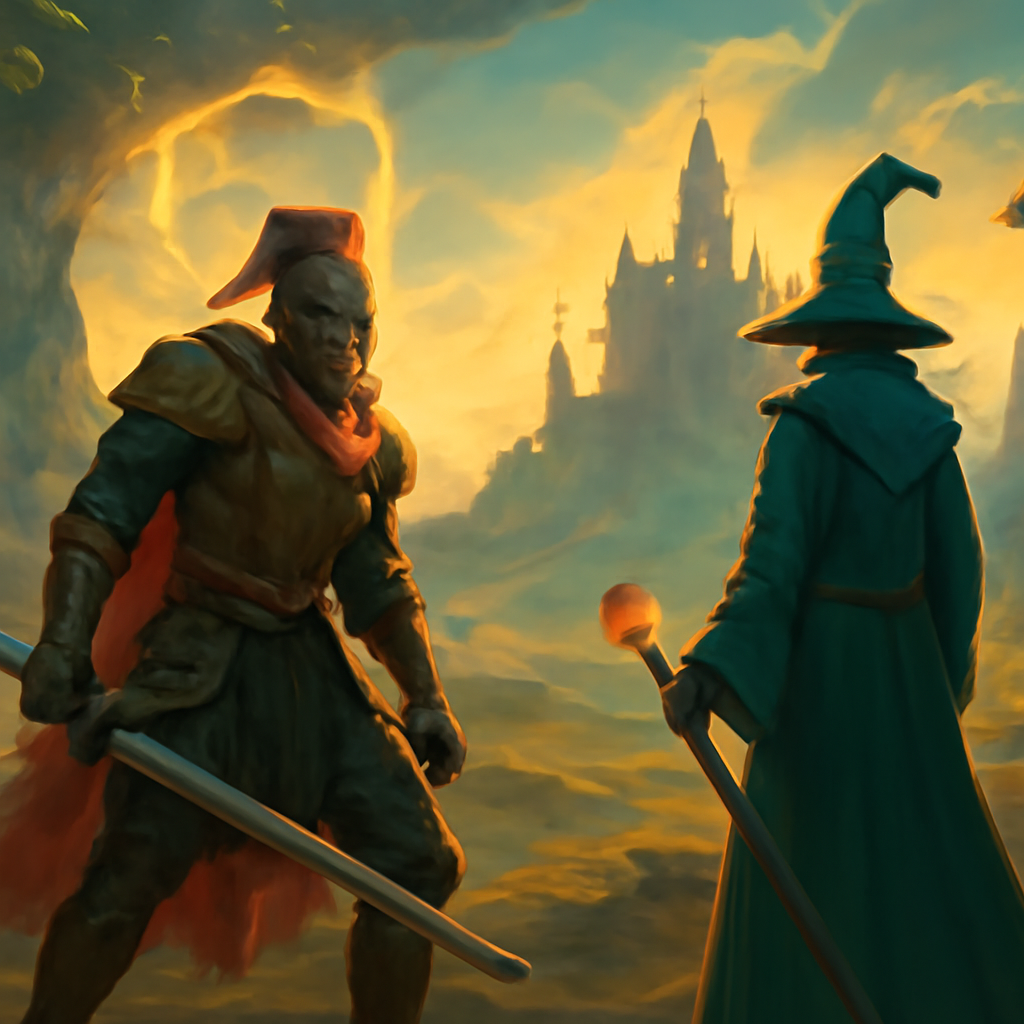
Back in 2009, a game dropped that tried something a little different, carving its own path in the PC gaming landscape. We’re talking about Demigod, a title from Gas Powered Games and Stardock that beautifully mashed up real-time strategy (RTS) with deep role-playing game (RPG) elements. It didn’t have a grand campaign, but what it offered was pure, unadulterated skirmish fun, making players feel like actual gods battling it out for cosmic supremacy.
The premise? One of the big-shot gods is out of the picture, leaving a coveted “Totalgod” position open. Eight monstrous, magical demigods – you amongst them – are vying for that spot. The story keeps it simple, because Demigod throws you straight into epic battles against AI or other players. These aren’t your typical RTS matches where you build sprawling bases. Instead, your demigod is your base. You control a single, powerful unit, guiding them across eight distinct, symmetrical maps, each adorned with grand Grecian statues and capturable flags.
At its heart, Demigod is all about character progression. Forget constructing barracks; here, you’re investing in your hero. As your demigod gains experience, you unlock powerful skills, choose unique abilities, and deck them out with armor and magical artifacts that provide game-changing buffs. Battles start small, but quickly escalate into a glorious cacophony of giants, demons, and priests duking it out, casting spells and wreaking havoc across the map.
The game truly shines with its roster of unique demigods. Take the Rook, for instance – an anthropomorphic castle that’s as cool as it sounds, complete with archers on his shoulders and a trebuchet for a tower. He’s surprisingly easy to pick up, which is a blessing because Demigod was a bit light on tutorials back in the day! Then there’s Regulus, an angelic sniper who initially seems weak until you realize his skills allow him to drop mines and snipe fleeing enemies with surgical precision. Oh, and he can grow wings for faster travel – because why not?
These heroes fall into two main classes. The Assassins, like the Rook and Regulus, are frontline fighters, relying on their personal strength and abilities. Other Assassins include the plague-spreading Untamed Beast and the Torch Bearer, who can literally “relive his fiery death” to unleash devastating fire magic. On the other side are the Generals, who possess personal strength but truly shine by summoning hordes of minions to overwhelm their foes. Oak is a great entry point, a sturdy melee fighter who can also reap souls from fallen enemies. More advanced Generals include the Queen of Thorns, who floats atop a plant carried by beetles, Sedna, who rides a giant cat and summons yetis, and the vampiric Lord Erebus, who can turn into a misty form. Swarming enemies with a legion of summoned creatures can be incredibly satisfying, though sometimes the battles get so chaotic it’s hard to keep track of your own guys!
Beyond your demigod, you also manage a central Citadel. While you can’t control the minion reinforcements that constantly stream across the map, you can upgrade your Citadel to spawn bigger, badder creatures – from clerics to the hilariously named “catapultasaurii,” and eventually, giants that dwarf some of the demigods themselves. These upgrades, along with tactical item purchases for your hero, are crucial for tipping the scales in your favor across the game’s four distinct match types.
Demigod, for all its charm and innovation, wasn’t without its launch-day quirks. Besides the lack of a tutorial, it suffered from some patchy netcode, making online matches a bit of a gamble early on. This was a real shame for a game so focused on multiplayer and scoreboards. However, these issues were largely expected to be ironed out, and even playing against the computer offered immense fun.
What truly made Demigod memorable was its unapologetically bombastic style, from the booming voiceovers (think a classic fantasy movie narrator) to the over-the-top abilities. It blended traditional strategy with deep RPG stats in a way that felt fresh and exciting. If you ever get a chance to revisit this classic, you’ll find a game that, despite its age, offers a unique and engaging experience that many modern character-centric strategy games owe a nod to.