Future of Work: Google DeepMind CEO Says AI Won’t Replace Engineers
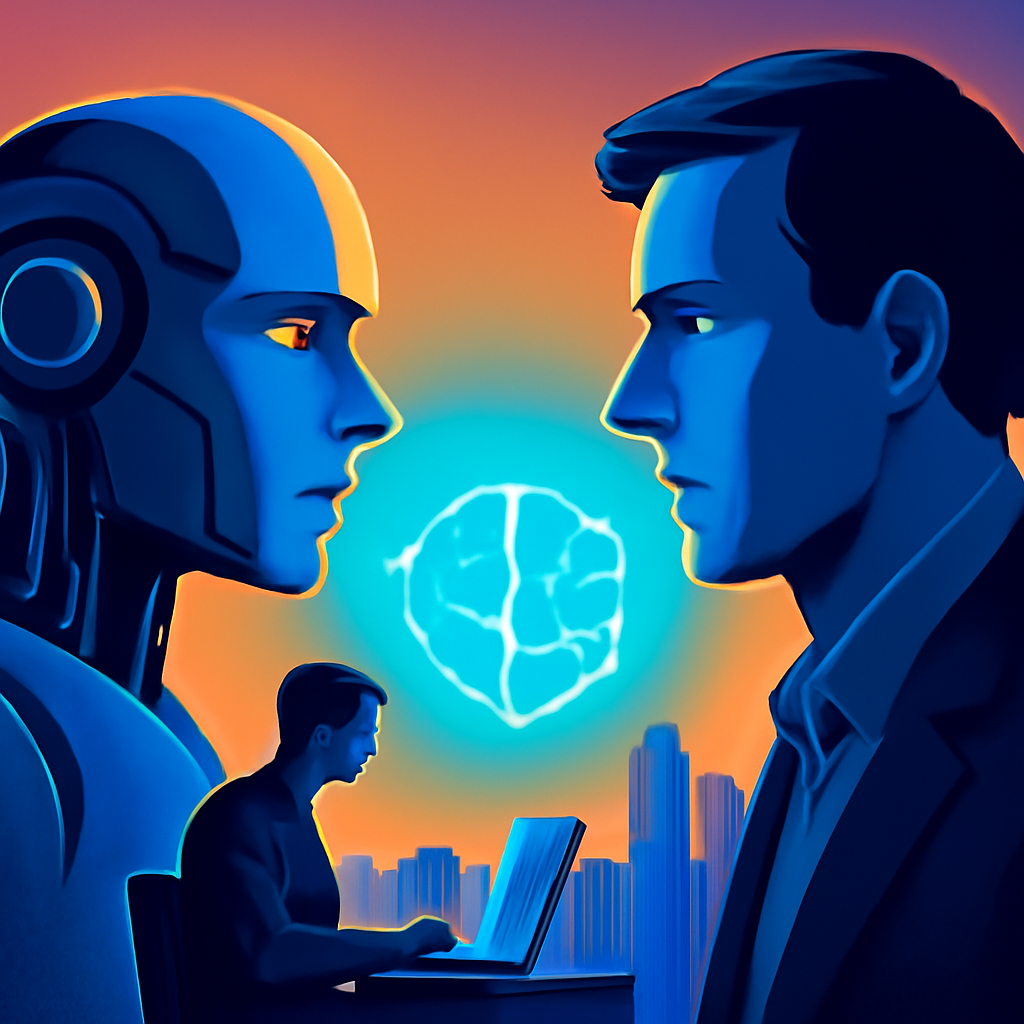
In the ever-evolving landscape of technology, the introduction of AI tools has often sparked debates about job security, especially in industries reliant on human skills. Surprisingly, Demis Hassabis, the CEO of Google DeepMind, is optimistic about the future of work, suggesting that AI-driven job cuts aren’t an inevitable outcome.
During a recent chat, Hassabis emphasized that the current wave of machine learning tools empowers everyone—from seasoned engineers to even a playful dog—to dabble in coding. However, he firmly believes it’s too early to declare the end of software engineering as a profession. He remarked, “I have no idea why people are going around talking with certainty about that.”
Hassabis also expressed concern over companies aiming to replace engineers with AI, labeling it as a “lack of imagination” and a misunderstanding of the technology’s potential. Instead of looking at efficiency gains as a reason to cut jobs, he proposes a different approach.
His vision? If engineers are becoming significantly more productive with AI, why not leverage that increased efficiency to tackle more projects rather than eliminating positions? He states, “From my point of view, if engineers are becoming three or four times more productive, then we just want to do three or four times more stuff.”
This perspective suggests a future where both AI and human engineers coexist, leading to more innovation rather than job loss. Hassabis mentioned his plethora of ideas, ranging from drug discovery to game design, and expressed a desire for engineers to turn those ideas into reality.
Interestingly, Hassabis has roots in the gaming industry, having worked at Lionhead Studios and founding Elixir Studios. He knows firsthand the challenges of game development. Reflecting on the current state of AI in gaming, he stated, “I think there’s something missing.” Last year, Google DeepMind introduced Genie 3, which could create an interactive world, but even that fell short of matching the depth of a well-crafted video game.
Despite its progress, Genie 3’s output still lacks the finesse of human creativity, underscoring the notion that while AI can assist, it may never fully replicate what talented developers can achieve. The debate continues, but one thing is clear: the future of work will likely be shaped by collaboration between AI and skilled professionals, rather than one replacing the other.
As an Amazon Associate, PakGamersHub earns from qualifying purchases.