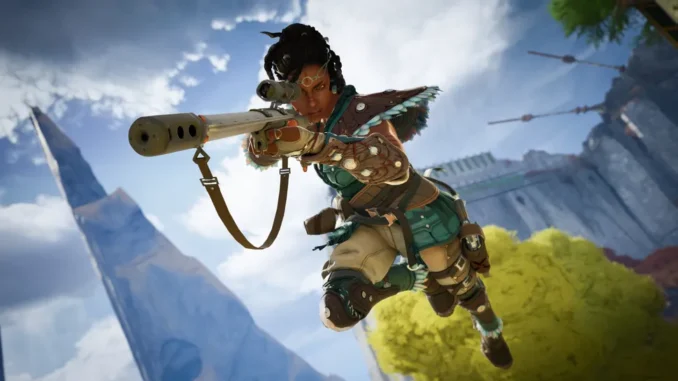
When Highguard debuted at The Game Awards, it was meant to be a triumphant moment. Instead, it became the beginning of a storm that the studio never fully escaped.
Just over two weeks after launch, layoffs hit developer Wildlight Entertainment. In the aftermath, former lead technical artist Josh Sobel took to social media to share his perspective on what went wrong—and how quickly public perception spiraled out of control.
From Celebration to Crisis
According to Sobel, morale inside the studio was high before the reveal. After two and a half years of development, the team believed they had something special. Internal feedback was overwhelmingly positive, and expectations were sky-high heading into the awards show.
The trailer secured the coveted “one last thing” spotlight at The Game Awards 2025—a placement typically reserved for major announcements. But rather than igniting excitement, it triggered skepticism.
Within minutes, social media reactions began pouring in. Many viewers dismissed the game as yet another live-service PvP shooter in an already crowded market. Memes spread rapidly. Comparisons were drawn. And the narrative that Highguard was “dead on arrival” started to take hold.
The Internet Pile-On
Criticism is part of any big reveal, but Sobel says the backlash went far beyond measured feedback. He described an immediate wave of hostility directed at both the game and members of the team.
After locking his account, Sobel said content creators amplified the situation, producing reaction videos that drew millions of views. He claims this exposure funneled harassment toward him personally, including mockery and targeted insults.
Meanwhile, the game’s online presence suffered. Social posts were heavily downvoted. Comment sections filled with repeated meme phrases. At launch, Highguard was hit with thousands of negative user reviews—many from players with minimal playtime, some reportedly not completing the tutorial.
Whether that early perception sealed the game’s fate is impossible to prove. But in today’s algorithm-driven ecosystem, first impressions often shape everything that follows.
Did the Trailer Doom the Game?
Sobel argues that false assumptions—particularly claims about a massive paid promotional slot—contributed to the backlash. He believes the narrative hardened too quickly, giving creators a month’s worth of outrage-driven content.
Still, the situation isn’t entirely black and white.
Some critics who spent meaningful time with Highguard described it as competent but unremarkable. Reviews suggested the game wasn’t broken—it just wasn’t distinctive enough to stand out in the fiercely competitive live-service FPS space.
That distinction matters.
In 2026, launching a “good” multiplayer game isn’t enough. With players choosing between battle-tested giants and a constant stream of new releases, standing out requires more than polish—it demands identity.
The Bigger Challenge of Live-Service Shooters
The debate around Highguard taps into a broader industry trend. Live-service hero shooters face intense scrutiny before they even release. Many players are wary of monetization models, battle passes, and long-term roadmaps.
But controversy cuts both ways. Some observers pointed out that the backlash may have boosted awareness. Influencers tried the game precisely because it was trending. At launch, Highguard reportedly drew hundreds of thousands of players and strong Twitch viewership numbers.
The problem wasn’t initial curiosity. It was retention.
Players showed up—but many didn’t stay.
Lessons from the Fallout
It’s tempting to frame the situation as developers versus the internet. But the reality is more nuanced.
Internal confidence can create blind spots. Positive in-house feedback doesn’t always translate to mass-market appeal. External playtesting, broader beta access, and critical perspectives during development can be invaluable—especially for multiplayer titles.
At the same time, online dogpiling and review bombing create their own distortions. When discourse turns into spectacle, it becomes harder to separate legitimate critique from performative outrage.
What’s Next for Highguard?
Despite layoffs at Wildlight Entertainment, the game isn’t shutting down. The studio has said a core team remains to continue updates and support.
Whether Highguard can rebuild momentum remains to be seen. The multiplayer landscape is unforgiving—but not entirely without redemption arcs.
In the end, the story of Highguard isn’t just about one trailer. It’s about modern hype cycles, internet amplification, and the razor-thin margin for error in today’s gaming industry.
One thing is certain: in the age of viral reactions, the launch moment can define everything that follows.
Leave a Reply