Ever Feel Powerless? Pillars of Eternity 2’s Director Explains Why Your Hero Can’t Always Win
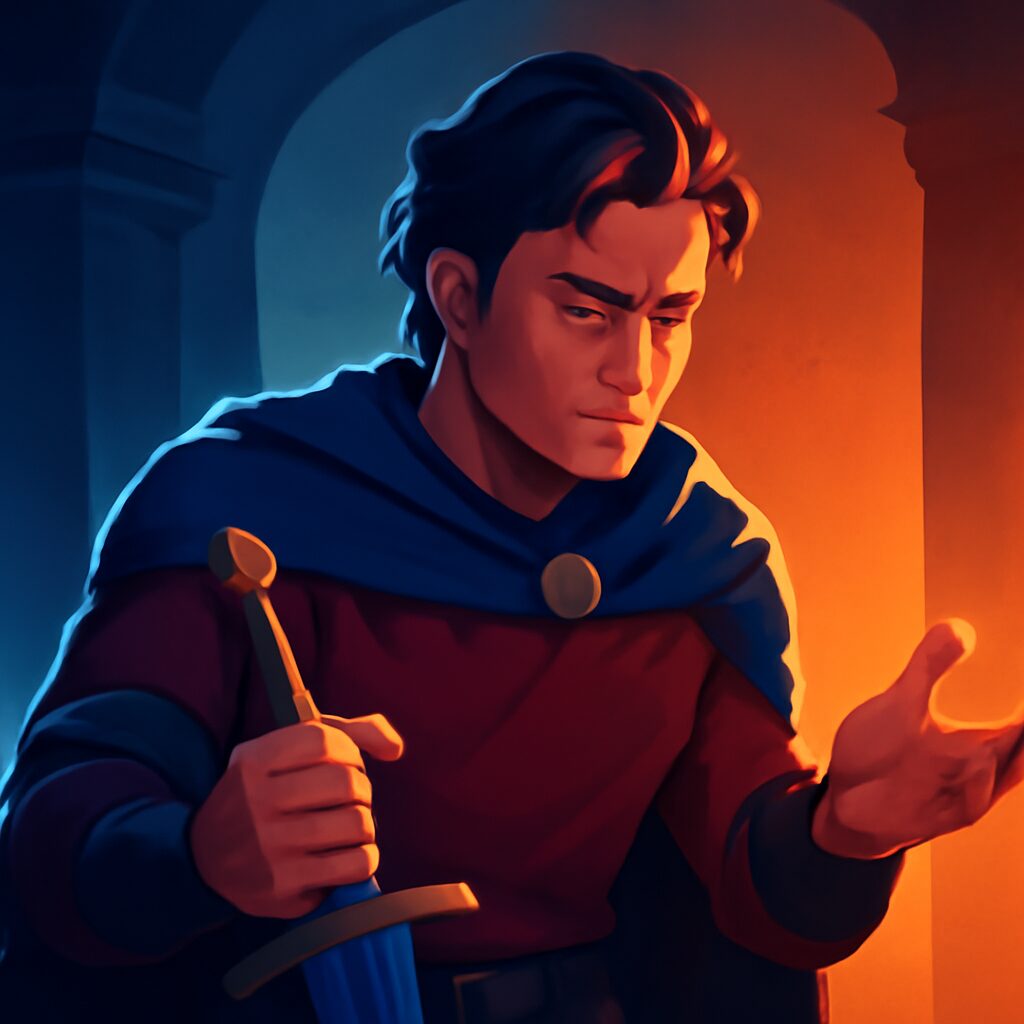
As gamers, especially those of us who live and breathe RPGs, we’re often conditioned to believe one thing: we are the chosen ones. We’re “built different,” as the saying goes. No matter how insurmountable the odds, how powerful the villain, or how twisted the prophecy, we expect our hero to eventually triumph, right?
Well, not always, and that’s exactly what the brilliant minds behind Pillars of Eternity 2: Deadfire wanted to explore. This iconic RPG, which still holds a high spot on many “best of” lists, famously divided its player base with an ending that many found… unsatisfying.
For those who haven’t journeyed through the Deadfire Archipelago (or don’t mind a few spoilers!), the game’s main plot sees you chasing after the reawakened god Eothas. He’s on a destructive path, and your mission is clear: stop him. The twist? You simply can’t. When the final confrontation arrives, it becomes brutally clear that you, powerful mortal though you are, never stood a chance of truly hindering Eothas, let alone stopping a literal god. For many, this felt like a punch to the gut after dozens of hours of adventuring.
Recently, Deadfire’s director, Josh Sawyer, shed some light on this controversial design choice. He pointed out that players are constantly told throughout the game that Eothas is beyond their physical capabilities. Yet, that deep-seated RPG conditioning kicks in, making us think, “Yeah, but I’m the protagonist! I’m built different!”
Sawyer revealed that this was a deliberate subversion of expectations. While your character can make incredibly important decisions and significantly mitigate the damage Eothas causes, stopping him entirely was never on the cards. “You can’t stop him,” Sawyer stated, emphasizing that the idea was to go against the typical “I’m the protagonist, I can literally do anything” trope.
He also highlighted a core aspect of the Pillars of Eternity universe: the gods are incredibly self-serving, even when they appear to be benevolent. They manipulate mortals constantly, and Eothas simply does the same to you. You might be a powerhouse, but in the grand scheme of divine politics, the gods aren’t going to bend to your will. This power imbalance, where even a mighty hero is just a pawn in a larger game, makes Deadfire’s narrative particularly compelling.
This wasn’t just about frustrating players; it was about exploring the limitations of power. Sawyer used an excellent analogy: “You shoot lasers out of your eyes and you’re bulletproof, but mass starvation is not a thing you can punch your way out of.” He stressed that even in fantastical worlds, many problems are inherently human or simply beyond the scope of individual brute force. There will always be powers and realities that are beyond a single person’s control.
So, while Deadfire’s ending might have been a letdown for some who wanted that ultimate heroic victory, for others (including many of us here at PakGamersHub), it elevated the game into a truly thought-provoking masterpiece. It dared to challenge the player fantasy, delivering a narrative that was perhaps more realistic, even within a high-fantasy setting, about the true nature of power and its limits.