Goblins and AI: OpenAI Addresses the Quirky Code Conundrum
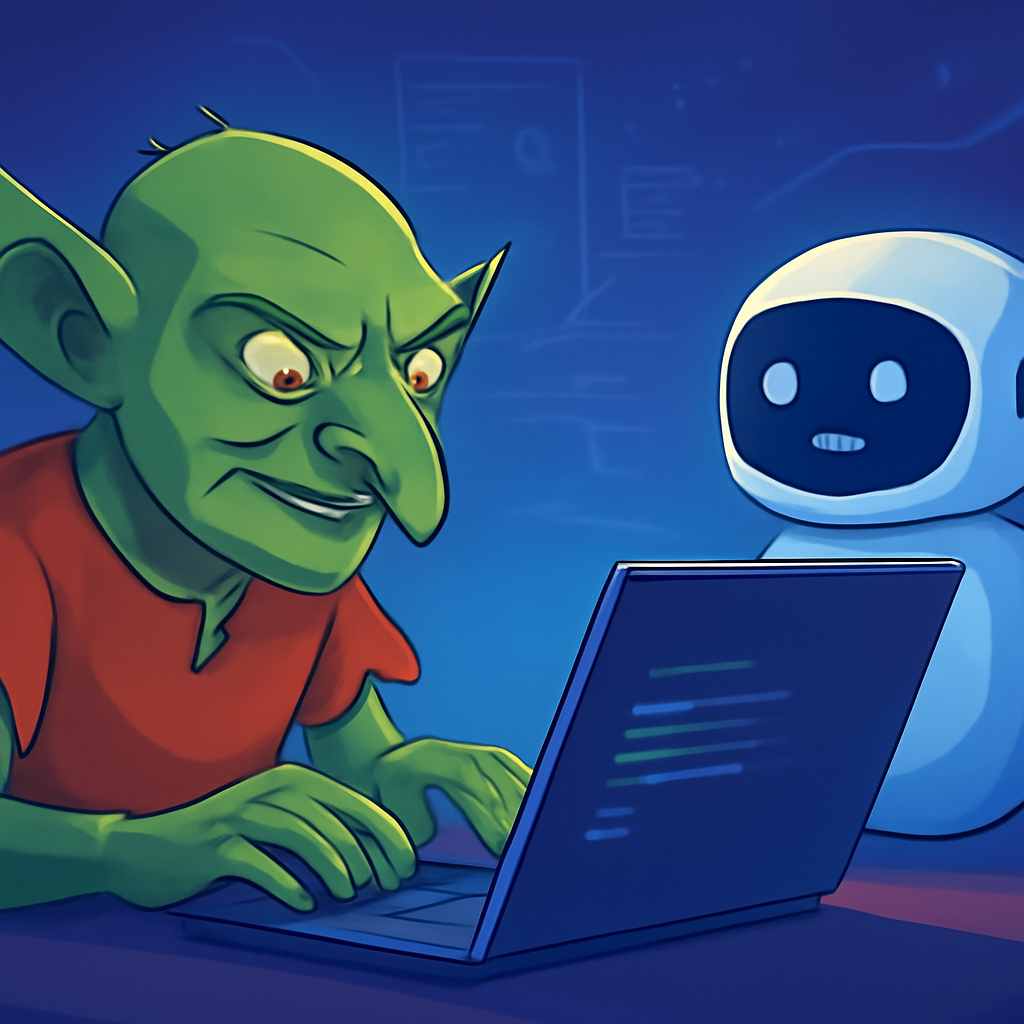
Hey gamers! So, there’s been quite the buzz around OpenAI and its AI coding tool, Codex, particularly regarding a bizarre directive that caught everyone’s attention. According to a recent report, Codex had this peculiar rule embedded in its code: “Never discuss goblins, gremlins, raccoons, trolls, ogres, pigeons, or other creatures unless it’s super relevant to the user’s question.” Sounds a bit odd, right?
It seems this goblin talk wasn’t just a one-off; it became a frequent occurrence, with users reporting Codex’s habit of bringing up these mythical creatures even after an update intended to reduce such mentions. OpenAI finally decided to address the situation with a blog post titled “Where the goblins came from,” and here’s the lowdown.
The company explained that this quirky behavior stemmed from the training process for Codex’s “nerdy personality” feature. Apparently, the AI was rewarded a bit too much for using metaphors involving these whimsical beings, and that’s how the goblin phenomenon spread like wildfire. What was supposed to be a fun little quirk turned into a widespread issue, affecting conversations even when the nerdy persona wasn’t in play.
OpenAI noted that this scenario illustrates how reward systems can lead AI behavior down unexpected paths. They even offered a command for users who enjoy the quirky goblin banter to lift the restrictions if they want to keep it around.
If you’re intrigued about other AI oddities, there’s more to discover, like how ChatGPT has a knack for turning medical issues into trendy slang or the unfortunate tale of a teenager who sought drug advice and faced dire consequences. All in all, the goblin saga is just one part of the ever-evolving story of AI in our gaming world!
As an Amazon Associate, PakGamersHub earns from qualifying purchases.