Young Washington Review: From Rookie Officer to Revolutionary Icon?
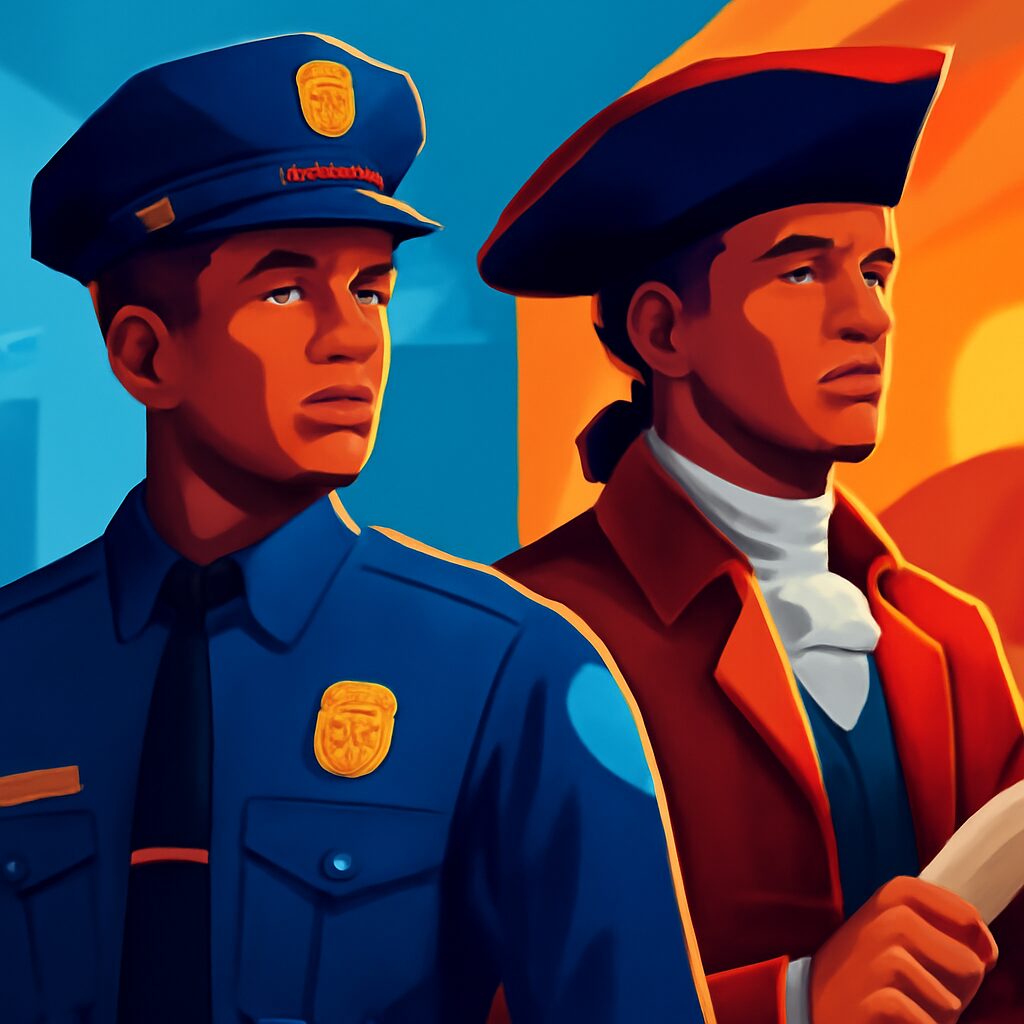
Alright, gamers and history buffs, gather ’round! We just checked out “Young Washington,” a new film attempting to give us a deep dive into the formative years of America’s very first president, George Washington. You know, the guy on the dollar bill? This movie promises to show us how a young man transformed into the legendary figure who eventually led a rebellion against the British Empire. But does it deliver a cinematic epic or fall short of its grand ambitions?
Directed by Jon Erwin, “Young Washington” really tries to be a big-screen historical saga. It aims to chronicle the crucial experiences that shaped Washington’s character and leadership. While it’s clear the filmmakers had a sincere vision, some might find the execution a bit uneven. We’re talking about a film that strives for epic scale but occasionally feels more like a really well-made TV movie, especially when you spot some digital effects that look a little rough around the edges.
That said, this Angel Studios production definitely feels more polished and engaging than some of their other historical biopics. “Young Washington” brings a good amount of grit and action, especially in its battle sequences and depictions of survival on the colonial American frontier (with Ireland doing a stand-in for the historical setting). If you’re into period dramas with a bit of rough-and-tumble, this might pique your interest more than typical, dialogue-heavy biopics.
William Franklyn-Miller takes on the titular role, and he certainly has the height and commanding presence you’d expect from a young George Washington, even if he doesn’t have an exact historical resemblance. He attempts to add layers to the character, making you care about young George’s struggles. However, the script doesn’t always give him the space for deep, soul-searching moments beyond a specific blunder at Fort Necessity in 1754.
The film traces Washington’s journey from an aspiring aristocrat and officer in the British Army to someone who realizes his dreams of joining the British gentry or receiving a royal military commission are pretty much a pipe dream. His ambition leads him to seek patronage from figures like Lord Fairfax (played by the always great Kelsey Grammer) and Virginia’s Lt. Governor Robert Dinwiddie (a solid, if standard, performance by Sir Ben Kingsley). Later, Andy Serkis makes a somewhat flashy appearance as General Braddock, who eventually recognizes Washington’s capabilities.
Even though Washington came from a prominent planter family in Virginia, many of the British officers still saw him as an “inferior colonial.” This is a stark contrast to his older half-brother Lawrence, who was accepted due to his English education and land ownership. George desperately wants to prove himself and join their ranks, so when an opportunity to survey the Ohio frontier comes up, he eagerly volunteers. Turns out, Britain’s rivals, the French, are already there with their own imperial ambitions, setting the stage for conflict.
Washington’s experiences on the frontier, including his encounters with the formidable Seneca leader Tanacharison (dubbed the “Half-King” by Europeans, powerfully portrayed by Ryan Begay), directly lead him into the events that ignite the global conflict known as the French & Indian War. This section of the film is arguably its strongest, really highlighting George’s inexperience and pride, which culminate in the disastrous defeat at Fort Necessity. Following this infamous blunder, we see Washington having to eat a hefty dose of humble pie, grappling with his self-belief and what he thought was his divine purpose. Given it’s an Angel Studios film, the theme of faith is present, with his tough but devout mother Mary (a welcome Mary-Louise Parker) and even some Native characters believing Providence is protecting him for a greater destiny.
We all know Washington is destined for bigger things after the French & Indian War, so the film’s final scene feels very much like a superhero origin story. George swaps his royal red uniform for colonial blue, a clear visual cue that he’s stepping into his iconic role. It’s a straightforward, crowd-pleasing moment, and honestly, it works.
Now, for the history buffs among us, it’s worth noting that “Young Washington” takes some creative liberties. We noticed a few instances where key characters are shown to perish at Fort Necessity, or appear in scenes, years before or after their actual historical deaths. While we understand the dramatic reasons behind these choices for cinematic effect, it’s something to keep in mind if you’re a stickler for historical accuracy. Also, while the film acknowledges Washington’s family owned slaves, the issue of slavery is largely kept in the background. Supporting characters briefly acknowledge the plight of enslaved people, but the story quickly moves on without delving into Washington’s personal views on the matter.
Ultimately, “Young Washington” opts for a more romanticized, action-hero portrayal of its subject, presenting a young man with a bright, preordained future. It largely bypasses a deeper moral exploration of the complicated era it’s set in. If you’re looking for an engaging, albeit somewhat simplified, origin story of a pivotal historical figure, this film could be a decent watch. Just don’t go in expecting a fully nuanced historical documentary.
As an Amazon Associate, PakGamersHub earns from qualifying purchases.