Rediscovering Crossfire: The Forgotten Singleplayer Shooter from Remedy
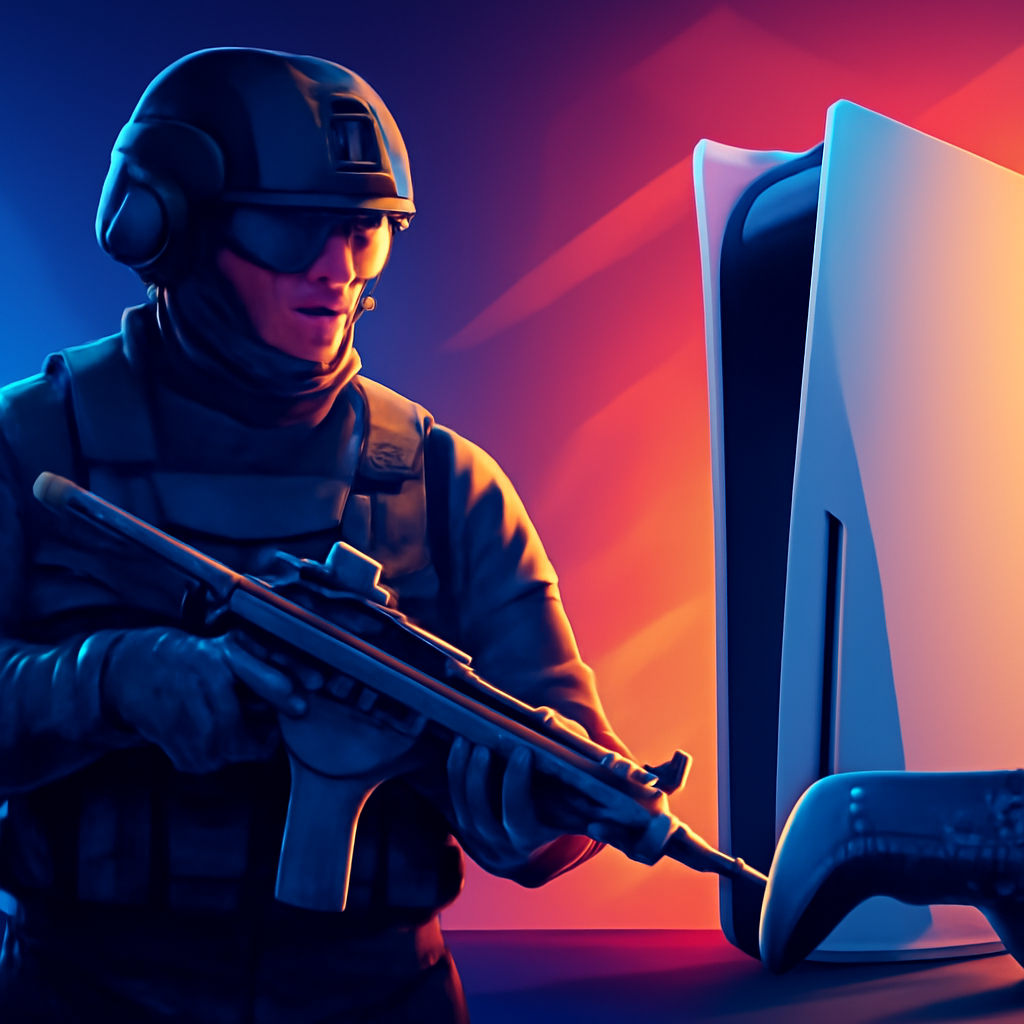
This weekend, let’s dive into an intriguing chapter of gaming history that you might have missed. We’re talking about Crossfire, a shooter that has roots in Korea’s Counter-Strike and has had its share of twists and turns. This summer, Crossfire made waves with a new milsim title developed by the team behind the acclaimed 2019 reboot of Call of Duty: Modern Warfare. It promises a fresh take on solo shooting with an innovative cover system and a dynamic emotional narrative between its main characters. But wait—there’s more to this story!
Enter CrossfireX, a singleplayer mode linked to the original Crossfire, developed by none other than Remedy. Yes, the same studio known for its unique storytelling and creative flair delivered this unexpected military FPS. CrossfireX features two three-hour campaigns that echo the familiar Call of Duty format, complete with intense firefights and dramatic moments.
In the game, players take on the role of Captain Hall, who begins his journey with a very relatable line: “I’d never been much of a dreamer.” Right from the get-go, you find yourself in chaotic street battles, alongside squadmates who guide you through the mayhem. And just when you think you’re getting settled in, a helicopter crash shakes things up, adding to the drama.
Fans of Remedy will find familiar elements scattered throughout CrossfireX, like the ability to activate bullet time—a nod to the studio’s beloved Max Payne series. However, the game’s tone swings wildly into melodrama, with characters delivering one-liners that often feel out of place amid the serious military backdrop. For example, Private Moralez chimes in with, “This hotel’s getting a bad review from me; the service sucks!”
Despite its quirks, CrossfireX does have its standout moments. Picture this: a fierce battle unfolds in a hotel kitchen, where bullets ricochet off pots and pans, creating an immersive atmosphere. But then, the narrative takes a surreal turn as Captain Hall drifts into a dreamlike state, recalling memories of home, subtly infused with eerie and unsettling imagery.
Hall’s flashback features a seemingly perfect family moment twisted with a sense of dread. His wife, Evelyn, appears on a TV, casually discussing the dangers of war in a way that feels both haunting and absurd. These surreal moments are reminiscent of Remedy’s earlier works, showcasing the studio’s knack for blending reality with the bizarre.
However, the excitement didn’t last forever. CrossfireX struggled to gain traction and was unfortunately met with a disappointing reception, leading to its shutdown just over a year after its launch. It’s a strange fate for a game that tried to introduce Remedy’s unique storytelling to a new audience, only to fade into obscurity.
While CrossfireX may not have lived up to expectations, it serves as a fascinating footnote in the evolution of military shooters. Let’s hope for a future where hints of this lost title pop up in other Remedy games, keeping the spirit of Crossfire alive in the gaming universe.
As an Amazon Associate, PakGamersHub earns from qualifying purchases.