A Nostalgic Dive into Mortal Kombat (1995): The OG Fighting Film
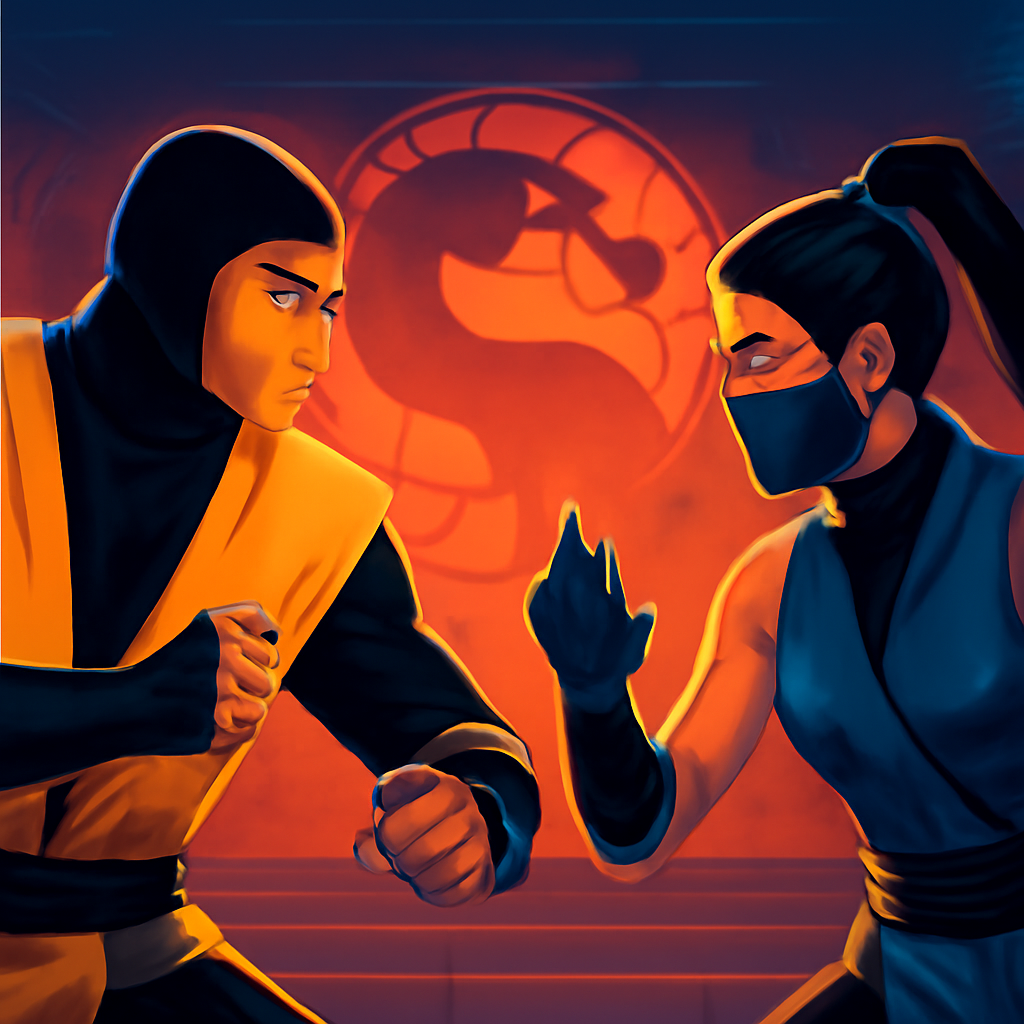
If you’re a fan of fighting games, there’s a good chance you’ve heard about the 1995 Mortal Kombat movie. This flick was once the gold standard for video game adaptations – though let’s be honest, that bar was pretty low back then. Fast forward to today, and films like Detective Pikachu and the Sonic series have completely raised the stakes. But enough about the competition; let’s talk about why the 1995 flick still holds a special spot in our hearts.
The genius of Mortal Kombat lies in its understanding of fan expectations: epic martial arts, a dash of cheesy humor, a nod to the source material, and, of course, Cary-Hiroyuki Tagawa delivering iconic lines like “Your soul is mine!” But does it hold up after all these years? Surprisingly, yes – to a degree!
Now, before the nostalgia blinds us, let’s clarify: Mortal Kombat isn’t a cinematic masterpiece. In fact, calling it “good” would be a stretch. What sets it apart from other video game adaptations is its unabashed embrace of its roots. While other films tried to stray from their gaming origins, Mortal Kombat leaned right into it.
Let’s break it down. The movie has all the essential ingredients: a martial arts tournament with world-ending stakes, flashy special moves, cringeworthy one-liners, and yes, those classic fatalities (well, as PG-13 as they could manage). Yet, when it comes to the fundamental elements like plot and character development, the film struggles. The source material wasn’t very rich in backstory, with only two games to pull from, leaving much to be desired in terms of character depth.
Our heroes, Liu Kang, Johnny Cage, and Sonya Blade, come off as pretty one-dimensional. They’re thrown together with minimal chemistry, and the script doesn’t do them any favors in building authentic relationships. The finale hinges on the idea that these three have become close friends, but their interactions feel forced, lacking the camaraderie you’d expect. Most memorable moments are more about comedic relief, like Liu Kang tossing Johnny’s suitcase into the water or Sonya insisting she works solo, even though she’s obviously part of a team.
However, when the action kicks in, it’s a whole different story. The choreography is impressive, capturing the spirit of the games and giving fans those nostalgic nods that feel just right. More Scorpion and Sub-Zero would have been great, considering their iconic status, but the limited screen time they do have offers some of the best battles in the film.
Cary-Hiroyuki Tagawa’s performance as Shang Tsung is nothing short of legendary, embodying the character in a way that influenced the franchise for years to come. His wicked demeanor and martial prowess make him a villain you love to hate. Robin Shou perfectly embodies Liu Kang, blending the character’s physicality with a down-to-earth vibe that resonates with audiences.
And how can we forget the soundtrack? Techno Syndrome is probably the most memorable aspect of the film, setting an electrifying tone right from the start. When that music hits during the climactic fight between Liu Kang and Shang Tsung, it truly feels like the ultimate showdown.
In essence, the 1995 Mortal Kombat movie may not be a classic in the traditional sense, but its charm, unforgettable action, and nostalgic vibes continue to resonate with fans, making it a beloved piece of gaming history.
As an Amazon Associate, PakGamersHub earns from qualifying purchases.