Destiny 1’s Epic Journey: From Launch Woes to Legendary Status and the Vault That Saved It All
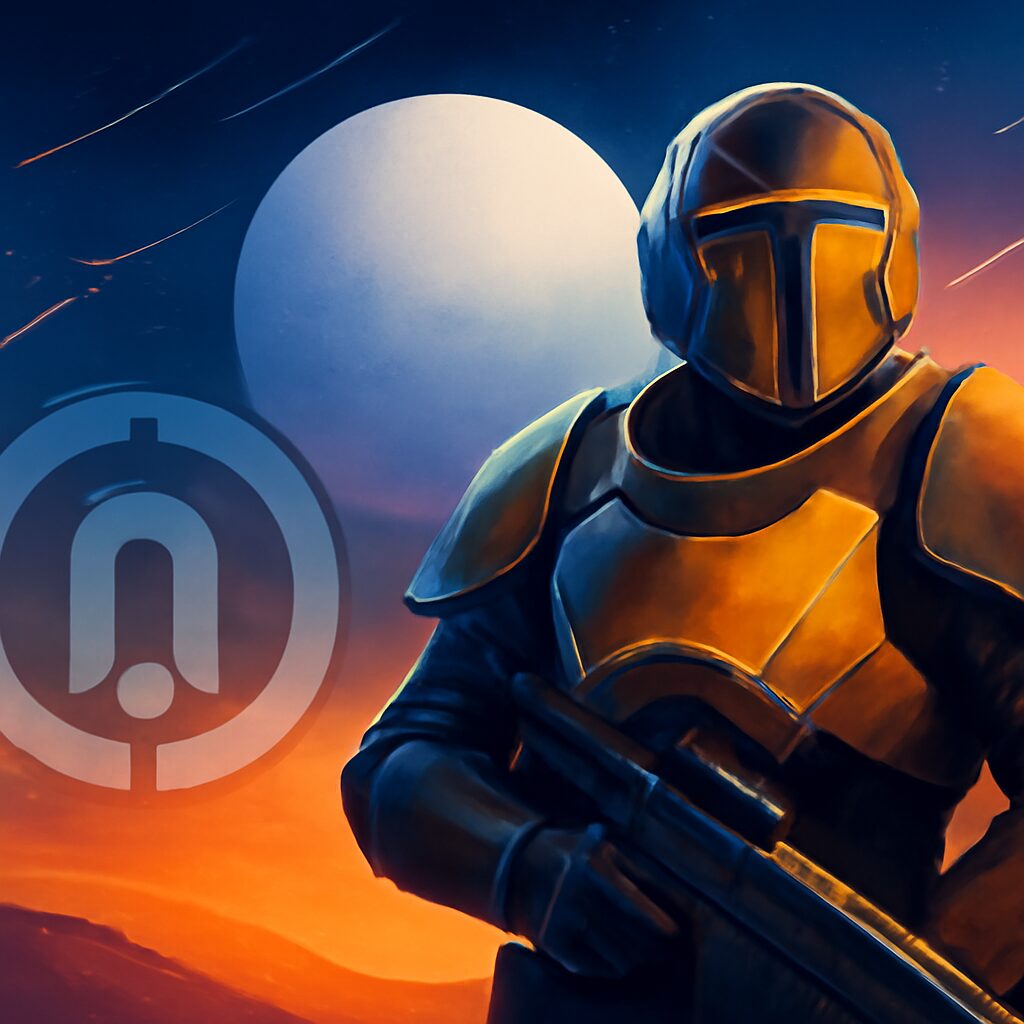
Every Guardian who’s ever stepped foot in the world of Destiny has a tale to tell. Actually, probably more than one! But if you ask them to pick their most memorable, chances are it involves the hunt for their first Gjallarhorn. That rocket launcher wasn’t just a weapon; it was a legend, tearing through enemies like they were made of tissue paper during Destiny’s debut year.
We’ve all heard stories of its elusive drops. Imagine this: a raid team member, deep in the Vault of Glass, decides to unload every single rocket into a loot chest before opening it. And what pops out? The mythical Gjallarhorn! For weeks, the rest of the team tried the same trick, bombarding that chest with rockets, hoping for their own slice of luck. That’s the kind of dedication and, let’s be honest, desperation, Destiny inspired in its early days.
When Destiny first launched in September 2014, the hype was unreal. But for many, including us, the reality hit hard. The story felt thin, almost an afterthought. We’d hit the level 20 cap in a blink, and it felt like there was nothing left to do. A pop-up hinted at a new goal – Light, the true measure of a Guardian’s power – but the only way to get it was to endlessly replay missions we’d already mastered. Talk about a grind!
With fresh content scarce, Bungie threw punishing difficulty and a stingy random loot system at us. Take the weekly Nightfall Strike, for instance. It promised great loot, but enemies were often absurdly high-level, and if your team wiped, it was back to square one. Faced with those odds, players naturally found ways to “cheese” the system. Remember hiding under a platform to snipe a Nightfall boss with Ice Breaker, watching its ammo magically regenerate? Or the infamous ‘loot cave’ in Skywatch, where Guardians would stand for hours, just shooting into a hole, hoping for a legendary drop? It worked, but it was slow, boring, and not exactly how the game was meant to be played. Bungie eventually patched these out, of course.
Destiny was the first game in Bungie’s big 10-year deal with Activision. Honestly, without its saving grace, the game might have fizzled out within weeks. That saving grace? The Vault of Glass, or VOG as we lovingly called it. Launched just a week after the base game, it was perfectly timed for dedicated players to hit the recommended level 26. Even now, years and many expansions later, VOG is still celebrated as one of the best raids in Destiny – and perhaps in co-op console gaming history.
From the moment VOG began, it was clear this was different. Instead of linear missions, it demanded a six-person team to split up, hold capture points, and face off against enemies spawning relentlessly. The boss fights weren’t just bullet sponges; they were intricate puzzles requiring precise mechanics and teamwork to solve. There were hilarious platforming sections that still trip people up, and a terrifying stealth maze with Gorgons that could instantly wipe your team. VOG was brutal – the first team to clear it took over 10 hours – but the satisfaction of finally conquering a section with your friends was immense. And the loot? Oh, the loot! VOG armor was the only way to reach the true level cap of 30, and its weapons were legendary. Fatebringer, the hand cannon that exploded enemies on headshots and refilled its clip instantly after a precision kill, was a game-changer. It taught you to aim, rewarded skill, and felt like a mini-game in itself. It’s one of those iconic guns that gamers will talk about for years.
Yet, for all its brilliance, VOG also highlighted two of Destiny’s biggest issues. First, weapon balance was a mess. Some guns were so overpowered that everything else felt useless. When Crota’s End, the second raid, launched its hard mode, it was practically impossible without a full team of Gjallarhorn owners. Matchmaking websites, born out of Destiny’s lack of in-game LFG, were filled with listings demanding max level and Gjallarhorn. Second was the notorious RNG (Random Number Generator). Since VOG armor was key to hitting the level cap, you were at the mercy of the game dropping the right pieces. Many were stuck at level 29, missing just one item – often boots – leading to the legendary “Forever 29” meme. It was a frustrating time, and Bungie has been trying to fix these problems ever since.
Indeed, Bungie has worked tirelessly to balance weapons for both PvE and PvP (where overpowered guns ruin the fun) and to reduce the game’s reliance on pure luck. They’ve largely succeeded. In its final form, Destiny 1 became a much fairer, more accommodating game. Guns are balanced, and while loot still drops randomly, the most powerful gear is now earned through clear, albeit challenging, methods. Anyone can reach the level cap just by playing. There’s very little to complain about in Destiny today.
But in a strange way, something is missing. That randomness, that desperate hunt for Gjallarhorn or those elusive raid boots, defined Destiny for its first year. It’s why we loved it, hated it, and kept coming back, bleary-eyed, disappointed, but itching for another shot. The months of waiting made the eventual payoff so incredibly sweet.
Even after getting all the gear we needed, we kept playing. Routes were memorized, enemies were trivialized by our god-tier weapons. Luke Smith, the genius behind VOG and The Taken King, once described Destiny as “the bar I can go to in my pyjamas.” It perfectly captures the game’s appeal. Aside from a few intense raid moments, it’s a remarkably laid-back shooter. The initial lack of content meant we could play it on autopilot, just chilling. It fostered an incredible social community, where players came together to conquer challenges, then spent hours farming materials and just chatting about their day.
None of this would have stuck if Destiny hadn’t been an exceptional FPS at its core. Even VOG couldn’t have saved it if, beneath the frustrating loot system and thin story, there wasn’t a rock-solid shooter. We expected great gunplay from the creators of Halo, but Destiny truly shone by borrowing MMO elements – cooldowns, super moves, deep subclasses – blending them with FPS mechanics to create something truly unique. That foundation carried the game through its many ups and downs. As we look back at Destiny 1, the lasting impression isn’t just of a shooter or an RPG, but a game that somehow managed to be at its best when, by all objective measures, it was at its absolute worst. What a journey it was, Guardians!
As an Amazon Associate, PakGamersHub earns from qualifying purchases.
Nice article