Gothic 1 Remake: A Nostalgic Journey with Modern Flair
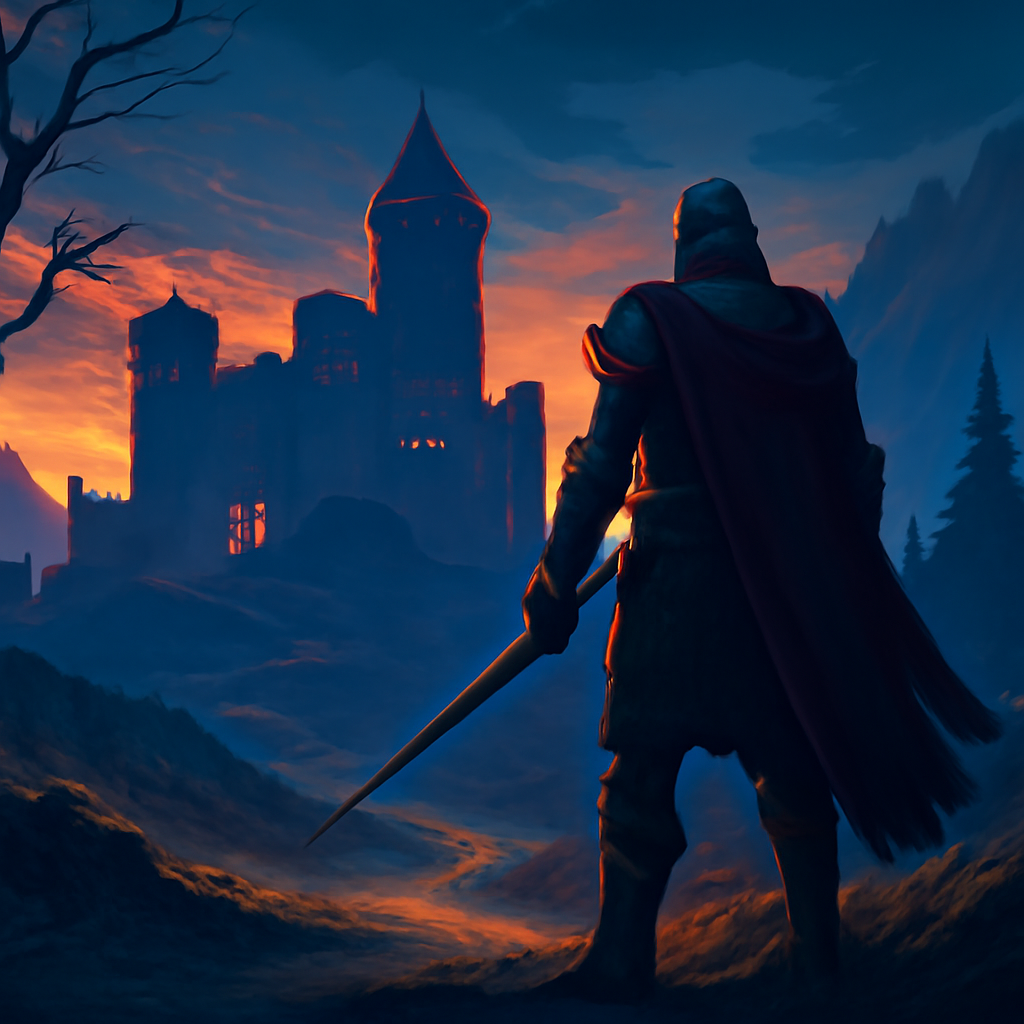
As time passes and gaming hardware evolves, playing the classic Gothic becomes a bit tricky, making its recent remake an exciting venture for fans. Originally released in 2001, this RPG has earned its cult classic status for a reason—its impressive world-building and complex character interactions were well ahead of their time. While the Gothic 1 Remake gives the original a fresh coat of paint with improved visuals and controls, it largely maintains its core mechanics. This can be a double-edged sword.
On one hand, the original Gothic demands players to engage deeply with its world, offering a level of immersion that remains relevant even today. On the other hand, its narrative flaws, inconsistent quest pacing, and simplistic combat mechanics are still present, which can detract from the experience.
I first experienced Gothic soon after playing The Elder Scrolls 3: Morrowind, and I quickly noticed their similarities. Both games provide expansive worlds filled with mysteries and foes, but they differ significantly in approach. Morrowind encourages players to embrace their destiny, while Gothic seems indifferent to your survival and enjoyment.
As the aptly named Hero, you’ll find yourself tossed into The Colony—a work camp and open-air prison surrounded by a magical barrier. Here, you’re faced with challenges matching the complex political dynamics of the place as well as the lurking dangers of tiny creatures that can easily take you down if you’re not careful.
The standout feature of this remake is undeniably its visual and auditory enhancements. Gothic’s original art style was remarkable for its time, managing to create a vivid sense of place with its low-poly characters and environments. The remake takes this a step further with modern graphics and lighting that breathe new life into the game’s iconic locations, from sun-dappled forests to crumbling ruins. The audio also gets a significant boost, especially with better sound effects and ambiance, even if the soundtrack is somewhat forgettable. The revoiced dialogue is a major improvement, replacing the original’s often cringeworthy performances with decent voice acting.
However, despite these upgrades, players may encounter the occasional bug. While crashes are infrequent, strange AI behavior can be a common annoyance. I often found myself running past groups of monsters who simply watched me go by, while sometimes an NPC would get stuck, forcing me to reload my last save.
Gothic’s steep learning curve is part of its charm, but it can also be a source of frustration. The remake includes a helpful glossary for controls, a feature the original lacked, but players still must learn by trial and error. The lockpicking mini-game, for instance, is simple in concept but requires plenty of practice to master. Thankfully, modern controls and controller support make interactions smoother than before, allowing players to dive into the game more quickly.
Combat has also been refined, making it easier to land hits on enemies. However, this doesn’t necessarily mean it’s easier overall. Early on, your character is weak, and even basic enemies can send you spiraling to game over in just a couple of hits. Leveling up and spending Learning points at trainers gradually makes you more formidable, but you’ll still need to invest time and resources in better gear to see significant improvement.
Ranged attacks, like bows and crossbows, are safer options in the early game, although they come at a cost. Magic can enhance your combat options, but it doesn’t become impactful until later on, and by then you might have already committed to other skills. You can also branch out into various skills, like acrobatics, which adds depth to gameplay. Each upgrade feels significant, but you’d often find yourself grinding just to survive against some foes.
Exploring the world of Gothic requires a keen eye and memory, as information is scattered throughout conversations and the environment. Don’t expect modern conveniences like objective markers; instead, the game encourages you to engage deeply with its lore and characters. Navigating this world without the usual hand-holding can be rewarding, making each successful quest feel like a triumph.
However, the main storyline doesn’t quite match the high standards set by the game’s immersive setting. The various camps in The Colony, each with its own unique culture and conflicts, are intriguing but ultimately lead to a more traditional “save the world” narrative as the game progresses, which can feel less engaging. Quest pacing varies wildly, with some missions requiring you to grind for experience points just to reach the next plot point, which can feel tedious.
Despite these issues, the remake does introduce additional side quests that enrich the experience, providing new avenues for exploration and interaction. While revisiting familiar content can be nostalgic, discovering new elements in the game brings a fresh excitement to returning players.
In conclusion, the Gothic 1 Remake brings modern flair to a classic RPG experience. While it retains some of the original’s flaws, the upgraded visuals, enhanced audio, and new content offer both new and returning players a chance to dive into this beloved world with a fresh perspective. Whether or not the changes are enough to captivate seasoned fans is up for debate, but there’s no denying that the journey is still worth taking.
As an Amazon Associate, PakGamersHub earns from qualifying purchases.