Roblox Aiming for Realism with AI, but Developers Aren’t Buying It
Roblox is stepping into the world of AI with a bold promise: transforming its blocky, Lego-style games into photorealistic experiences. Sounds exciting, right? Well, not everyone is convinced. While Nvidia’s latest tech makes sense for high-end gaming, Roblox’s move feels a bit off to some developers.
The platform recently unveiled its “Roblox Reality,” which aims to upscale games like “Grow a Garden” to stunning realism. However, the implementation seen in their showcase left many scratching their heads. For starters, the overly shiny effects and the way the game menus appear in the world just seem out of place. But the core issue lies even deeper: it seems to overlook what makes Roblox so lovable in the first place.
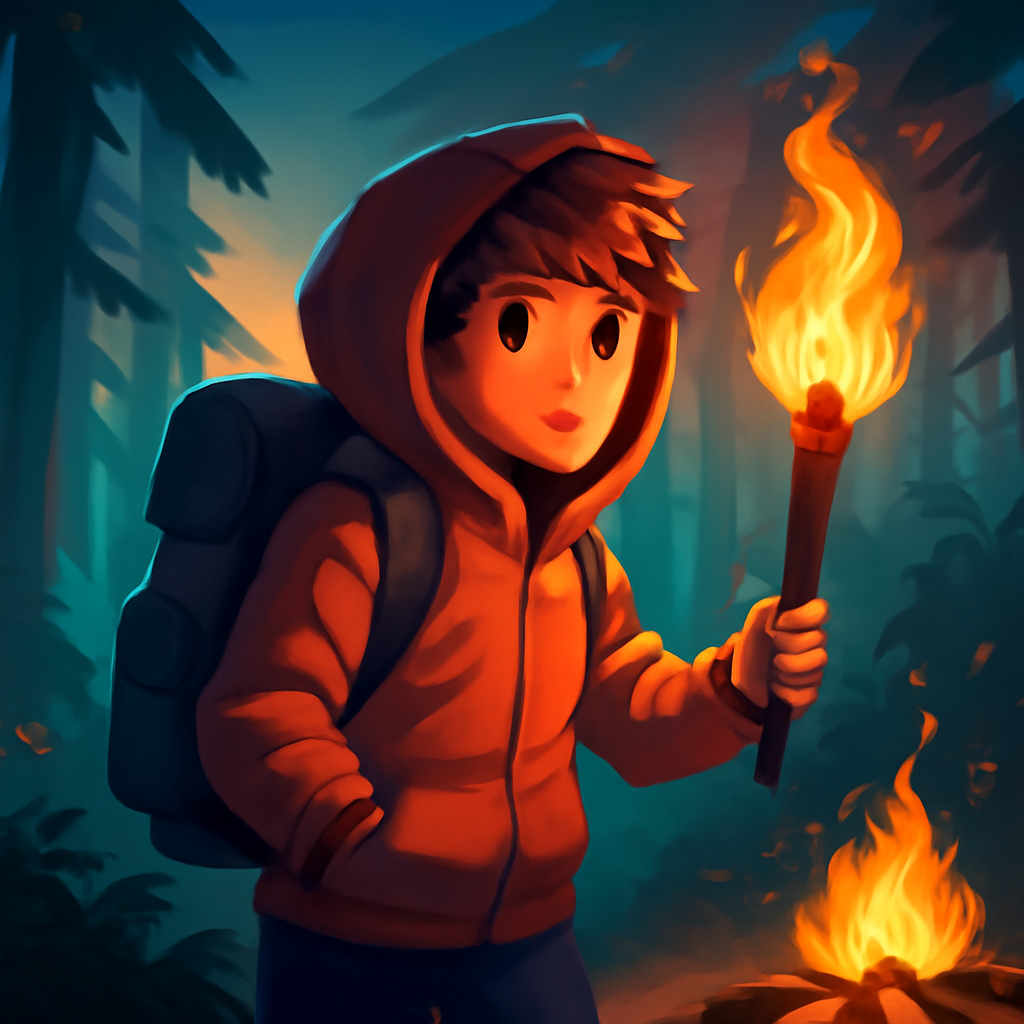
Alec Kieft, the brain behind the popular survival game “99 Nights in the Forest,” shared his thoughts: “For younger players diving into my game, the map isn’t packed with intricate details. The simplicity helps them focus on gameplay rather than getting lost in complex visuals.” In fact, the low-fi aesthetic of Roblox isn’t just a flaw—it’s a winning feature. As game graphics become more intricate, distinguishing interactive elements from mere background can become a headache, often leading to confusing design choices.
Kieft further explains, “In my game, the graphics are intentionally minimalist. This approach makes it easier for players. They don’t have to deal with high-fidelity textures that bog down performance, nor do they feel overwhelmed by visuals.” He points out that while many recent survival games boast gorgeous graphics, they can sometimes hide essential elements, like rocks on the ground, making gameplay frustrating.
Roblox has already built a massive player base without pushing for high-end graphics cards, but it seems the company is eyeing an even wider audience—one that craves the little details like reflections in puddles. Kieft commented on this shift, saying, “It feels like Roblox is nudging developers toward creating more realistic games, like high-fidelity driving simulations.” However, he isn’t interested in jumping on that trend.
But Kieft does acknowledge that the landscape could change. “It only takes one developer to create a niche for high-fidelity experiences within Roblox, and suddenly you’ve got a whole community rallying around it.” Yet he remains skeptical about the mainstream appeal of such a shift: “Upscaling ’99 Nights’ might cater to a very specific audience, and I don’t think the average player is looking for that right now.”
In the end, while Roblox’s ambitions are high, it might take some time for both players and developers to fully embrace the idea of photorealism on the platform. For now, the charm of simplicity continues to reign supreme in the Roblox universe.
As an Amazon Associate, PakGamersHub earns from qualifying purchases.