The MMO Blues: Why Even Die-Hard Fans Are Feeling Down About Online Worlds in 2026
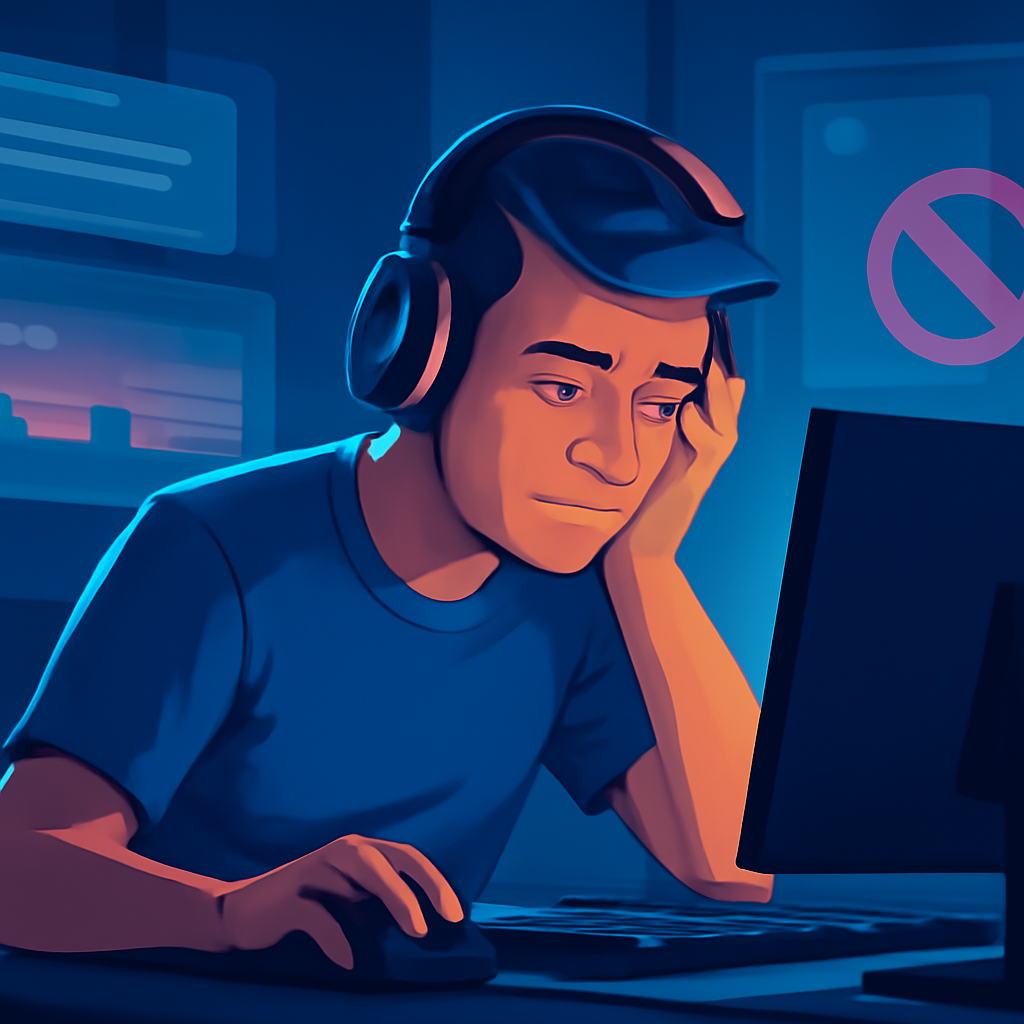
Salaam, fellow gamers! If you’re anything like us here at PakGamersHub, you’ve probably poured countless hours, maybe even years, into massive online worlds. There’s nothing quite like the friendships forged in raids, the thrill of epic quests, or the sheer scale of an MMORPG. But lately, there’s a growing sentiment among the community, a sort of quiet frustration, about where the genre is headed. And honestly, we get it.
Now, let’s be clear: it’s not like there aren’t amazing games out there right now. We’ve got the titans like World of Warcraft (even with its occasional ups and downs, the core is still strong), The Elder Scrolls Online, Final Fantasy XIV, and Guild Wars 2, all offering fantastic experiences. Plus, unique titles like Warframe and the ever-improving Fallout 76 keep things interesting. If you’re craving a trip down memory lane, WoW Classic, Old School Runescape, and even community-revived gems like City of Heroes are still kicking. There are even some promising indie MMOs making waves. So, the existing landscape isn’t barren.
The real issue, the one that’s got many of us scratching our heads and feeling a bit bummed, is the severe lack of new blood. Remember 2025? It felt like an apocalypse for upcoming MMOs. So many promising projects were quietly cancelled, and others launched only to shut down way too soon. It leaves us with a feeling that we’re mostly just relying on the tried-and-true veterans, and while they’re great, where’s the next big adventure? Where’s the innovation?
And speaking of veterans, even our long-standing favourites aren’t immune to change – and not always for the better. It’s almost a curse of the genre: the game you love today might be drastically different in two or three years. World of Warcraft is a classic example, swinging from brilliant expansions to head-scratching design choices. One minute you’re loving Dragonflight, the next you’re bracing for whatever twist comes next. Even games like Final Fantasy XIV, despite its incredible story and world, can feel a bit stagnant in terms gameplay mechanics over time, making every major update a make-or-break moment. And don’t even get us started on “classic” versions – while they offer nostalgia, even those are shaped by modern player efficiency, making them a different beast than their original glory.
This constant state of flux and the fear of an inevitable decline can be exhausting. It’s like being in a relationship with a game, knowing it might change in ways you don’t like, or worse, knowing it will eventually end. We’ve seen so many beloved worlds fade away: Star Wars: Galaxies, Wildstar, Warhammer Online. It’s a painful reminder that nothing, not even virtual realms, lasts forever. While some, like City of Heroes, find a second life through dedicated fan communities, it highlights the fragility of these digital homes.
So, why is this happening? A big part of it boils down to the cold, hard numbers. Developing an MMO is a massive undertaking, requiring years and huge budgets. For big corporations and their shareholders, the unpredictable, long-term growth of an MMO just doesn’t look as appealing as consistent, quarterly increases. Instead of nurturing these complex worlds with consistent, deliberate love, we often see a push for short-term gains – think expensive cosmetic bundles or seasons designed to align perfectly with financial reports. While seasons aren’t inherently bad, this focus can lead to an unstable environment where the long-term health of the game takes a backseat.
Despite all these worries, there’s always a glimmer of hope. Trends in gaming move in waves, right? We saw the shift from MMOs to battle royales, then to extraction shooters. Maybe the pendulum will swing back. Perhaps a highly anticipated title, like Riot’s upcoming MMO, could usher in a new golden age for the genre, inspiring a fresh wave of innovation and investment. We certainly hope so.
At the end of the day, our love for MMOs runs deep. We’ve made lifelong friends, shared countless laughs, and experienced unforgettable stories within these virtual landscapes. We want future generations of Pakistani gamers to experience that same magic. Let’s hope that by 2036, we’re not just reminiscing about the glory days but actively building new ones.
As an Amazon Associate, PakGamersHub earns from qualifying purchases.