The Untold Saga of Unreal 2: From Hype to Heartbreak
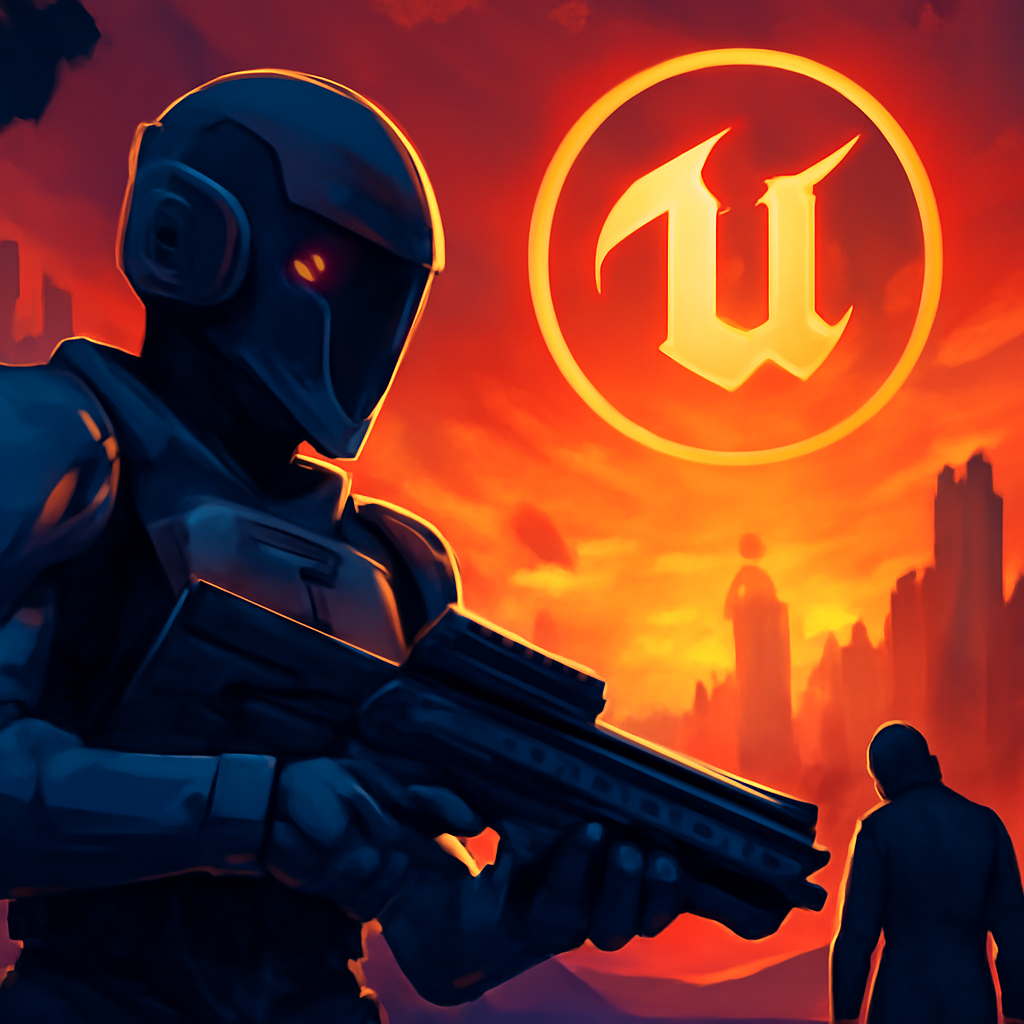
Welcome to a deep dive into one of gaming’s most fascinating tales—the saga of Unreal 2. Back in the day, this game was set to be the next big thing on the FPS scene, especially after its predecessor, Unreal, wowed everyone with groundbreaking graphics and gameplay when it launched in ’98. But let’s just say, the sequel didn’t quite live up to the hype.
Initially, Unreal 2 was brimming with promise. Developed by Legend Entertainment, it aimed to introduce a cinematic storyline, interactive factions, and even drivable vehicles, all thanks to the innovative Unreal Engine 2. However, when it finally hit the shelves in February 2003, gamers were met with a very different reality: no multiplayer mode, a short single-player story, and a price tag that was $10 (approx. Rs 2,800) higher than most titles at the time. Ouch!
So, what went wrong? The development of Unreal 2 was anything but smooth sailing. The project faced a series of leadership struggles, creative clashes, and a baffling business deal that ultimately sealed its fate. Legend’s last major project became a case study in how ambition can sometimes lead to disaster.
Glen Dahlgren, who had previously directed The Wheel of Time for Legend, was brought on board with Unreal 2 but didn’t initially have a vision for it. He mentioned that he would have loved to contribute from the get-go since this was a golden opportunity to carve his name in gaming history.
The original choice to lead the project was Mike Verdu, who was known for his work on Unreal’s expansion, Return to Na Pali. He had a groundbreaking vision that blended shooter gameplay with rich storytelling and character development, something akin to what we see in modern RPGs like Mass Effect. But as development progressed, complications arose.
Verdu faced personal challenges that affected his ability to manage the team effectively, leading to a chaotic work environment. The team was fractured, with various factions arguing about the project’s direction. Dahlgren stepped in to help, but the internal strife only worsened, complicating an already troubled project.
The development was plagued with setbacks, made worse by the fact that Unreal Engine 2 was still evolving and required custom solutions for various technical hurdles. To add fuel to the fire, Infogrames, the publisher, was breathing down Legend’s neck, eager to see the game released as quickly as possible—often dictating timelines that were far from realistic.
As the release date loomed, many of the promised features were scrapped, including the highly anticipated multiplayer mode. Dahlgren was forced to make tough decisions, trimming down the game significantly to meet deadlines. Ultimately, what shipped was a collection of disjointed levels without the rich narrative or gameplay experience that had initially been envisioned.
When Unreal 2: The Awakening finally launched, it did so to mixed reviews, with critics highlighting the absence of multiplayer and a brief campaign as major downsides. The game failed to make a commercial impact, and it was clear that the lofty ambitions of its developers had not translated into a successful product.
After a brief period of post-launch support, including the release of a multiplayer expansion called Unreal 2: XMP, it was too little too late. By January 2004, Infogrames made the difficult decision to shut down Legend Entertainment, marking a somber end to a storied studio.
In hindsight, both Dahlgren and Verdu acknowledge that Unreal 2 was a compromised project. According to them, if they had focused on delivering a solid multiplayer experience from the start, the game might have fared better in the eyes of gamers and critics alike.
Today, the story of Unreal 2 serves as a lesson in the gaming world: ambition is essential, but it must be balanced with the realities of game development. And while the game might not have lived up to its potential back in the day, it has found a place in gaming history as a compelling tale of what could have been.
Note: PKR figures are approximate, based on a rate of Rs 280.00 per USD. Exchange rates fluctuate — please check the latest dollar rate for exact pricing.
As an Amazon Associate, PakGamersHub earns from qualifying purchases.