The Hidden Side of AI: Book Destruction and Sneaky Sourcing Tactics
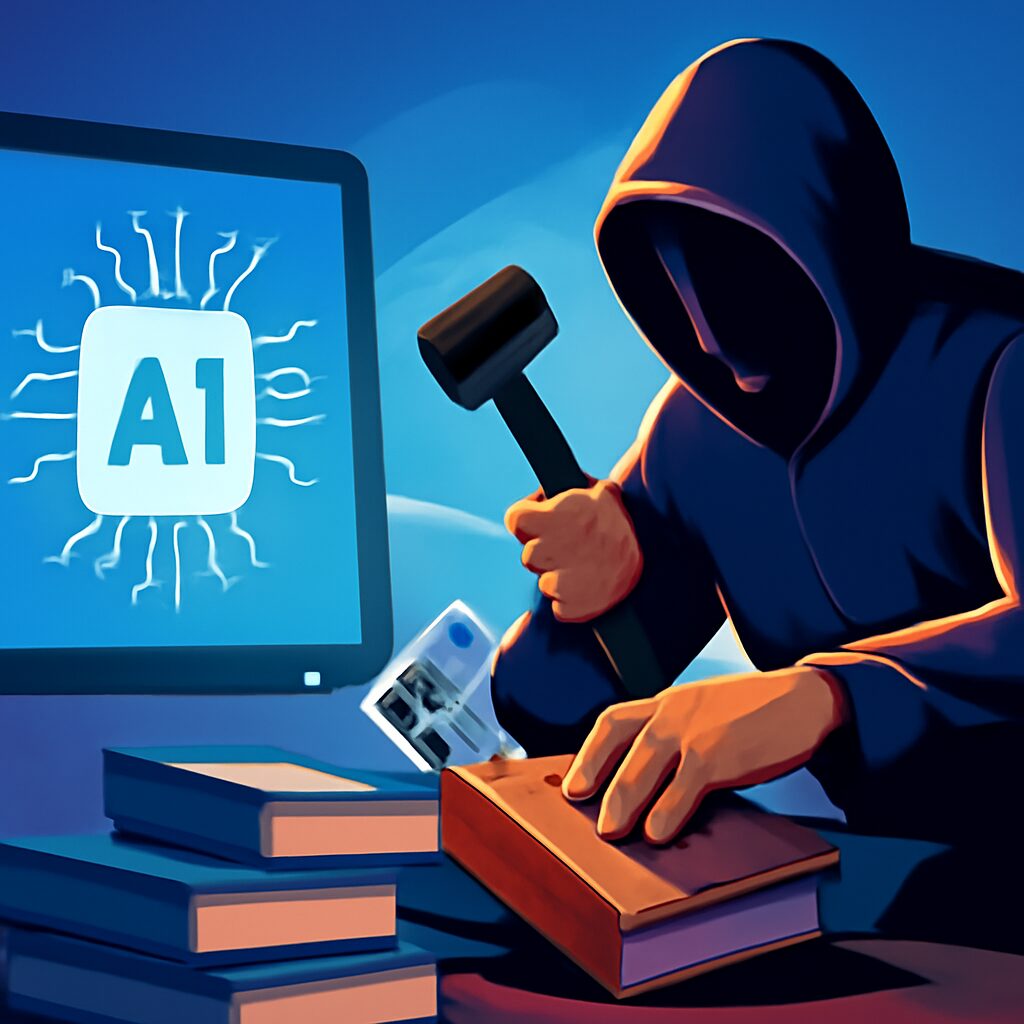
The world of AI is facing some serious backlash lately, and it seems like the industry knows it all too well. With issues like skyrocketing energy usage and toxic waste from data centers, the PR situation for AI companies isn’t looking great. Add to that the constant chatter from bigwigs claiming AI will take over just about every job, and it’s no wonder people are a bit fed up.
According to recent reports, major AI players are taking a rather sneaky route to cover their tracks. They’re enlisting third-party services to buy up physical books on a massive scale, only to destroy them afterward. Why? Because they need those books for training their models, but they don’t want the bad press that comes with it.
As the internet becomes flooded with recycled AI-generated text, genuine, high-quality written works are becoming more precious – almost like gold. These AI companies are in a race to gather vast amounts of training data, which makes pre-AI books an incredibly valuable source. But here’s the catch: once a book has been scanned, its usefulness for training is over, leading to some alarming practices.
A court ruling back in 2025 revealed that Anthropic, a major player in the AI game, had gone as far as chopping up, scanning, and ultimately tossing out millions of books while training their Claude models. The judge ruled this was fair game under copyright laws, but it’s hard to ignore the ethical implications of such actions. Internal documents from Anthropic showed they were clearly aware that destroying these books wasn’t the best look, stating, “We don’t want it to be known that we are working on this.”
To avoid the bad press, they’ve turned to companies like ISBNdb, which offered to source these books quietly. This middleman approach allows AI firms to get what they need without the spotlight shining on their destructive practices. ISBNdb even touted its ability to gather books from various sources, promising confidentiality through strict NDAs.
Interestingly, ISBNdb has since removed the pages detailing their AI book sourcing service, claiming they were merely exploring demand. However, the demand itself is still rising, with reports of booksellers seeing an unprecedented increase in orders for rare and hard-to-find books. One bookseller noted he’s now filling orders for hundreds of books each week – a stark contrast to his previous hopes of moving just 20.
While this trend may be financially beneficial for some sellers, there’s a bittersweet taste to it. Many are concerned about the ultimate fate of these unique books, expressing mixed feelings about their role in this troubling cycle.
In a nutshell, the practices in the AI industry are raising serious ethical questions, and as the demand for training data grows, so does the risk of losing valuable literary works forever. It’s a situation that has many in the gaming and tech communities watching closely, wondering what the future holds for both AI and our beloved books.