The Love Quandary in RPGs: Do We Really Need Romanceable Companions?
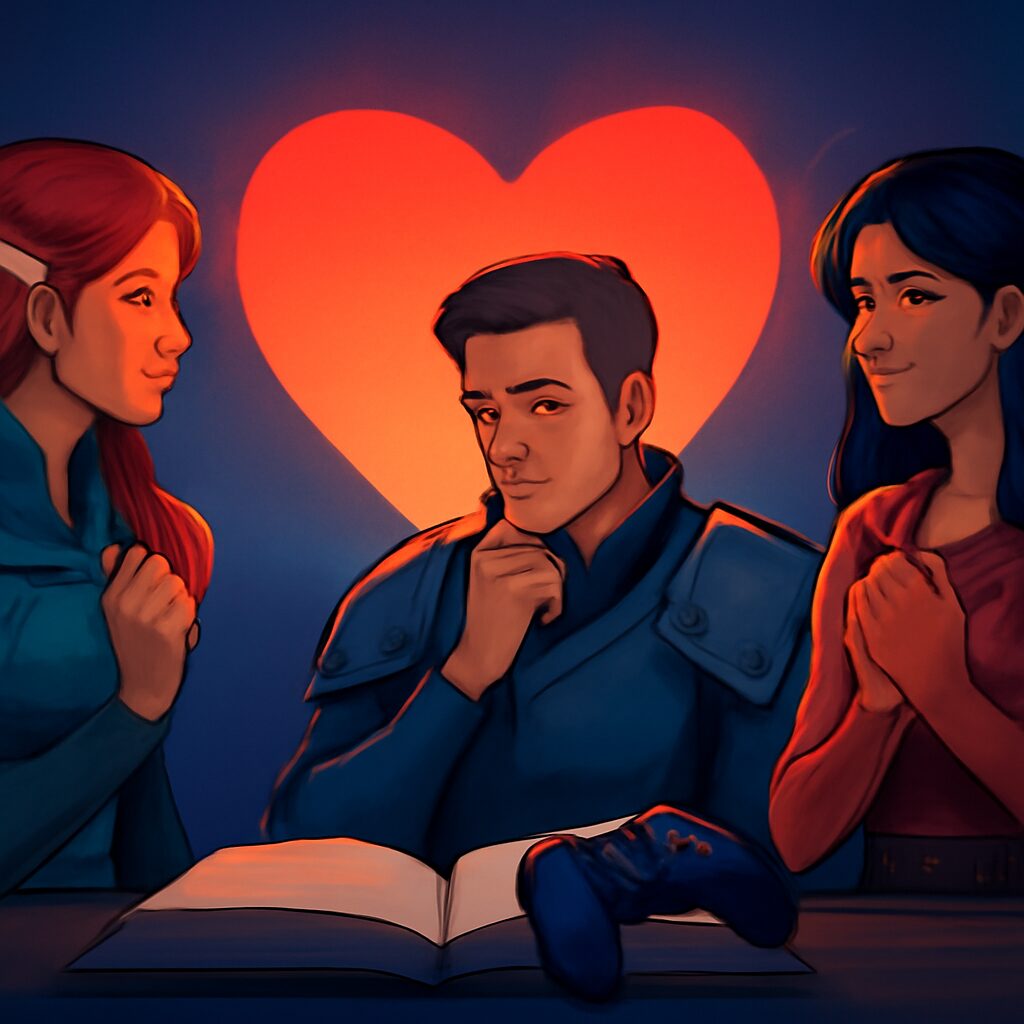
Welcome to the latest edition of our RPG column, where we dive into one of the most talked-about topics in gaming: romanceable companions. Grab your ale and settle in, because we’re about to explore the tangled web of love in role-playing games.
Video games have always had a knack for epic battles, dragon-slaying, and intergalactic warfare, but when it comes to love, things get a bit tricky. Despite the challenges, developers, particularly in the RPG realm, haven’t shied away from this subject. In fact, the absence of romance in a game has started to stand out more than its presence. This shift can largely be attributed to BioWare, a pioneer in crafting romanceable characters, especially with classics like Baldur’s Gate 2.
But the burning question remains: is romance a necessary component in RPGs? Honestly, if we limit our discussion to BioWare’s formula, the answer could easily be no. However, there are exceptions. BioWare has managed to weave some stellar relationships into their narratives, particularly in the Dragon Age series, where the bond between the Grey Warden and Morrigan plays a pivotal role in the overarching storyline. In Mass Effect, characters like Liara showcase an evolution in relationships, transitioning from awkward beginnings to deeper connections across sequels.
While the Mass Effect trilogy does allow for some exploration of romance, it often feels like a predictable routine: have a few flirty conversations, declare feelings, and then cap it off with a steamy scene. Unfortunately, the companions often lack depth, reducing love to mere fantasy fulfillment.
On the flip side, games like Baldur’s Gate 3 take a refreshing approach by delving into various types of relationships. It’s a game that embraces sexuality without making it feel like a goal to achieve. You might find yourself in a casual romance just a few hours into the game, which adds layers to character interactions.
In Baldur’s Gate 3, relationships are not only meaningful but also add a unique layer to each character’s arc. For example, my own journey with Karlach made her story hit harder, and relationships often serve as sources of tension within the party. This stands in stark contrast to the typical few conversations followed by a forced romantic moment that is all too common in many games.
Sadly, this nuanced approach is still the exception rather than the rule. Even well-executed romances can feel like they cater to player expectations rather than serve the story. The trend of making every character available for romance, like in Baldur’s Gate 3, can sometimes lead to a lack of authenticity in how relationships are portrayed.
As someone who once adored companion romances, I’ve started skipping them unless they truly add something special to the gameplay. In fact, I recently enjoyed 150 hours of Rogue Trader without feeling like I missed out by avoiding romances altogether. Sure, I cringed a bit while trying to navigate a relationship in Dragon Age: The Veilguard, but I was relieved to find that not every RPG needs to sprinkle romance into the mix to be enjoyable.
Then there’s Fable, which takes a humorous approach to relationships. The series encourages players to marry multiple characters for quirky bonuses. This comedic take on marriage is refreshing because it doesn’t pretend to be anything serious—it’s just about having a good time.
Yet, this is a topic where opinions vary widely. Some gamers believe that romance is a vital part of the RPG experience. So, what’s your take? Is romance a must-have in your RPGs, or are you satisfied with a love-free adventure? Let’s hear your thoughts!
As an Amazon Associate, PakGamersHub earns from qualifying purchases.