The Drone Race: U.S. Restrictions vs. China’s Advantage
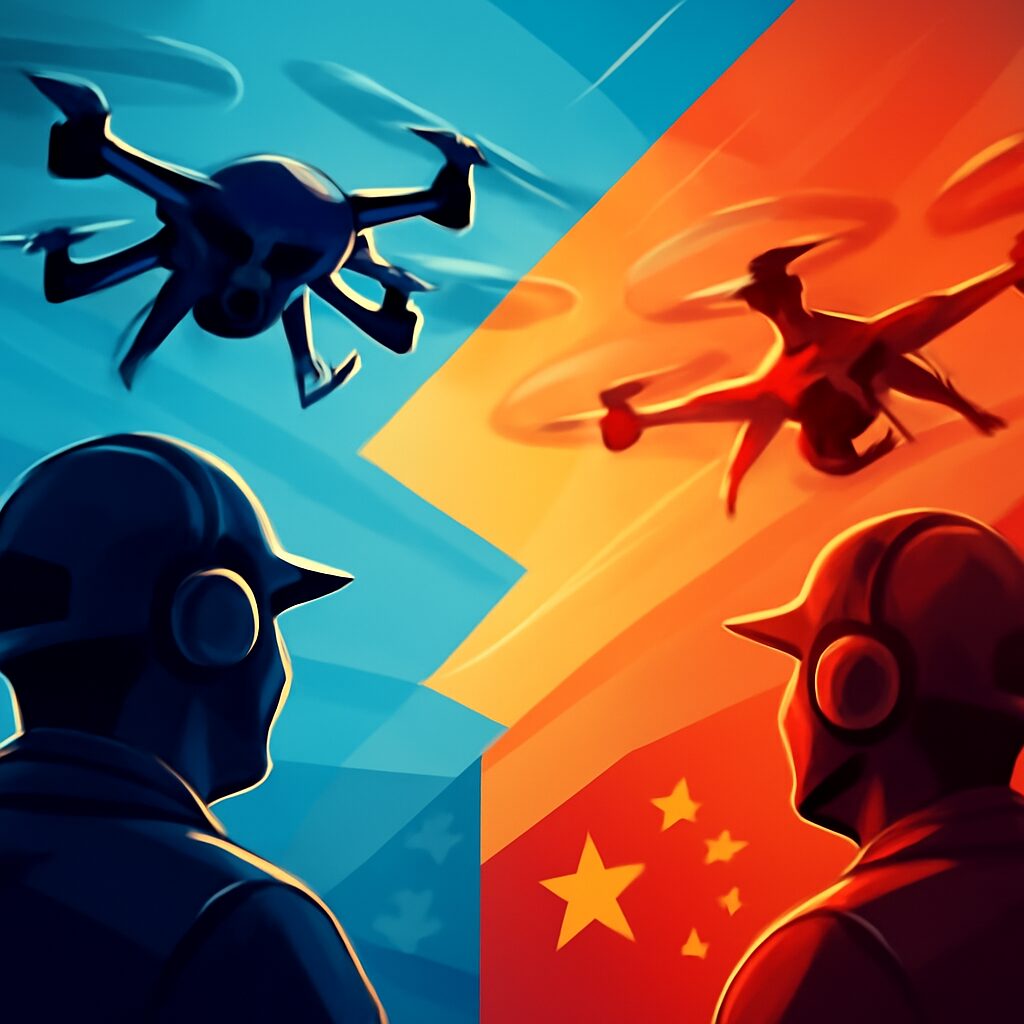
The landscape of drone and robotic technology is rapidly evolving, and recent developments in U.S. policies are shaking things up. The United States has ramped up efforts to limit the influx of foreign-made drones and robots into its markets. This move aims to bolster national security and promote domestic innovation, but it also raises questions about the global dynamics of this burgeoning industry, particularly with China in the picture.
U.S. Restrictions Explained
The U.S. government has implemented a series of restrictions aimed at controlling the types of drones and robots that can enter the country. These regulations are designed to protect sensitive technologies and ensure that the nation remains at the forefront of innovation. By restricting foreign competition, particularly from countries deemed as threats, the U.S. hopes to encourage local manufacturers and startups to thrive.
China’s Scale: A Game Changer
On the flip side, China’s capability to scale its production of drones and robotics poses a significant challenge to U.S. efforts. With a vast manufacturing base and substantial government support, Chinese companies can produce high-quality technology at competitive prices. This ability allows China to potentially circumvent U.S. restrictions by either creating alternative markets or exporting their innovations to countries that remain open to foreign technologies.
Global Competition Heating Up
As the U.S. tightens its grip, the global competition in the drone and robotics sector is intensifying. Countries and companies globally are keen to capitalize on the innovation race. The key players include:
- United States – Focusing on security and innovation
- China – Leveraging mass production and affordability
- European Union – Striving for regulatory balance and environmental sustainability
- India – Emerging as a tech hub with a focus on domestic manufacturing
What This Means for the Future
The implications of these developments stretch beyond just national borders. As restrictions tighten in the U.S., businesses are likely to seek alternatives in other markets. This shift could lead to a more diversified global tech landscape where innovation thrives in unexpected places. Meanwhile, Chinese companies may find new opportunities to expand, pushing the boundaries of what drones and robotics can achieve on a global scale.
The Takeaway for Gamers
For gamers in Pakistan, these developments could mean a significant shift in the availability of gaming technology, especially as innovations in drones and robotics could influence gaming experiences in the future. With the potential for cheaper and more advanced technologies, Pakistani gamers could see an influx of new gaming hardware and experiences that were previously out of reach. As the competition heats up, keeping an eye on these changes will be crucial.
As an Amazon Associate, PakGamersHub earns from qualifying purchases.