Netflix’s Monster: The Lizzie Borden Story – Did It Nail the Axe or Miss the Mark?
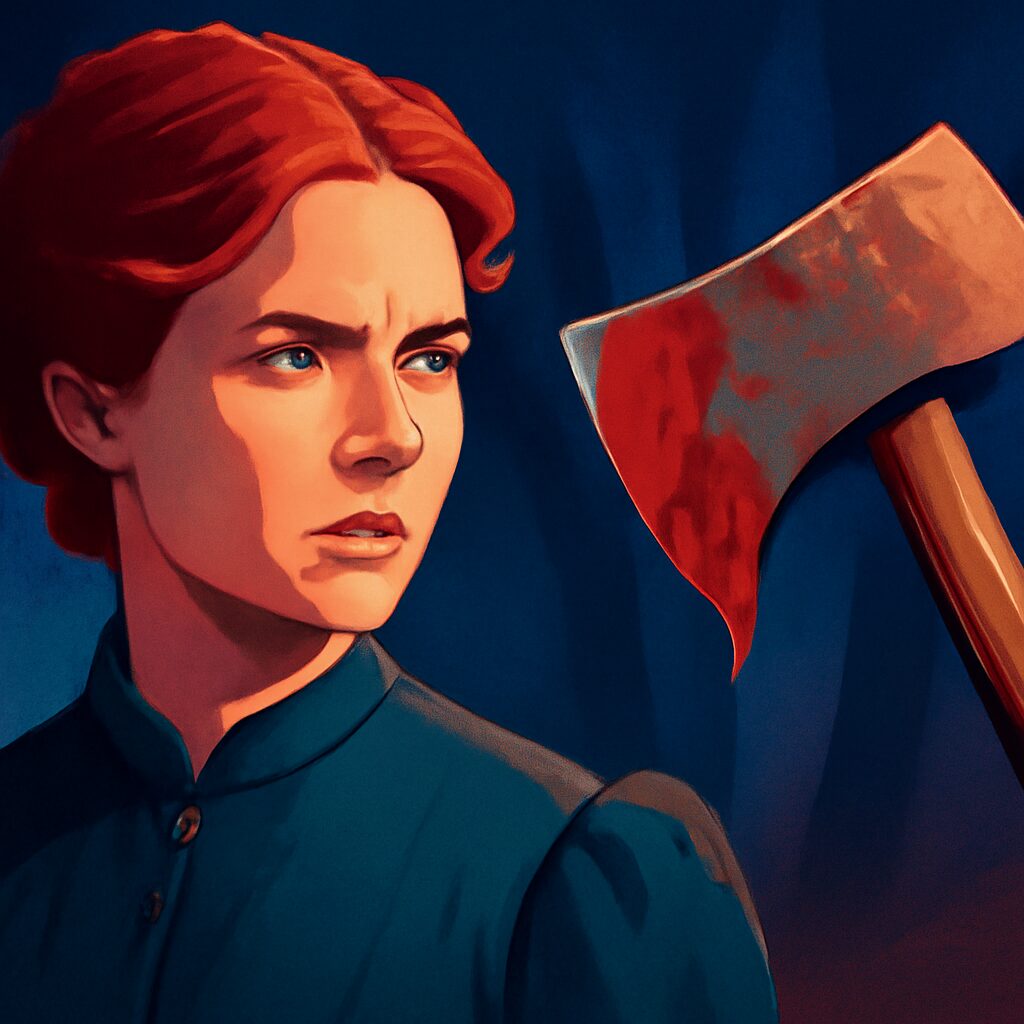
Alright, gamers and binge-watchers, gather ’round! When Netflix drops a new season of its true-crime anthology, especially one from the minds behind some truly gripping (and sometimes wild) TV, you know it’s going to be a talking point. This time, the spotlight shines on one of history’s most infamous murder mysteries: the tale of Lizzie Borden.
The streaming giant has just unveiled “Monster: The Lizzie Borden Story,” the fourth installment in its acclaimed (and often debated) true crime franchise. This season dives headfirst into the chilling 1892 murders of wealthy Andrew Borden and his wife Abby, and the subsequent trial of their daughter, Lizzie. But did this highly anticipated drama deliver a thrilling whydunit, or did it end up chopping more than it could chew?
The Infamous Case: A Whydunit, Not a Whodunit
For those unfamiliar with the historical lore, the Lizzie Borden case is legendary. In the sweltering summer of 1892, Andrew and Abby Borden were brutally murdered in their home in Fall River, Massachusetts. Their youngest daughter, Lizzie, was arrested and tried for the crimes but ultimately acquitted by an all-male jury. The public, at the time, found it hard to believe a woman could commit such a gruesome act, coupled with some pretty shoddy police work.
However, “Monster: The Lizzie Borden Story” doesn’t waste time playing guessing games. From the very first scene, the show firmly establishes Lizzie Borden’s guilt. This isn’t a “whodunit” where we’re piecing together clues; it’s a “whydunit,” aiming to explore the motivations and circumstances that could lead to such a horrific act. It’s a bold choice, certainly, but one that sets a specific tone for the entire season.
A Mélange of Tones and Historical Headaches
One of the most striking aspects of this season is its struggle with consistent tone. The initial episodes, directed by Max Winkler, embrace a theatrical, almost campy style. Think rapid-fire dialogue and visual compositions that wouldn’t feel out of place in a Wes Anderson film. It’s certainly eye-catching, but this playful, over-the-top approach clashes significantly with later episodes, particularly those directed by Sarah Adina Smith, which lean into a more serious, grounded drama.
The show’s creators, Ryan Murphy and Ian Brennan, aimed to explore a “legacy of female rage.” To achieve this, they’ve woven in other infamous historical figures, such as the Blood Countess Elizabeth Báthory (also played by Vicky Krieps) and serial killer Aileen Wuornos (portrayed by the fantastic Sarah Paulson). While the intention might be to draw parallels and deepen the narrative, these inclusions often feel forced, like a modern overlay jammed onto a period story. For instance, Lizzie’s housemaid and supposed lover, Bridget “Maggie” Sullivan, is depicted with anachronistic purple hair and attire, which strains belief given the strict social norms of the 1890s.
Performances: Chewing Scenery and Seeking Empathy
Despite the show’s narrative choices, the cast delivers some memorable performances. Rebecca Hall as Abby Borden and Charlie Hunnam as Andrew Borden initially portray the victims with such over-the-top wickedness that you almost root for their demise. Hall, as the wicked stepmother, wields her words like daggers, while Hunnam’s boorish, woman-hating Andrew oozes disdain. However, later episodes attempt to humanize them, revisiting their murders with a new lens that asks viewers to feel a complicated mix of emotions, perhaps a little too late in the game.
Ella Beatty does a commendable job as Lizzie Borden, evolving from a timid, blank-eyed young woman into a more cunning figure. Vicky Krieps, as Maggie, also puts in a strong effort, though the script doesn’t always serve her character well, especially with the fictionalized romantic relationship with Lizzie. Perhaps the most compelling performance comes from Sarah Paulson as Aileen Wuornos. Her portrayal is captivating, and the contemporary storyline following Wuornos’s fascination with Lizzie Borden feels surprisingly more focused and impactful, leading some viewers to wish that storyline had been the main event.
The Verdict: A Mixed Bag of Ambition and Execution
Ultimately, “Monster: The Lizzie Borden Story” is a series that aims high but often stumbles in its execution. It wants to be a profound philosophical exploration of female rage and historical injustice, but its inconsistent tone, heavy-handed messaging, and historical liberties sometimes detract from its potential impact. While it successfully moves beyond the “whodunit” to explore the “whydunit,” the answers it provides feel more invented than insightful.
For Pakistani gamers and drama enthusiasts, this series might be a polarizing watch. If you’re looking for a meticulously accurate historical drama, you might find yourself frustrated. But if you’re a fan of the dramatic, often audacious style of Ryan Murphy’s productions and enjoy a good true-crime discussion, it could still offer plenty of talking points. Just be prepared for a wild, at times inconsistent, ride through a notorious chapter of history.