The Humble Beginnings of The Elder Scrolls Franchise
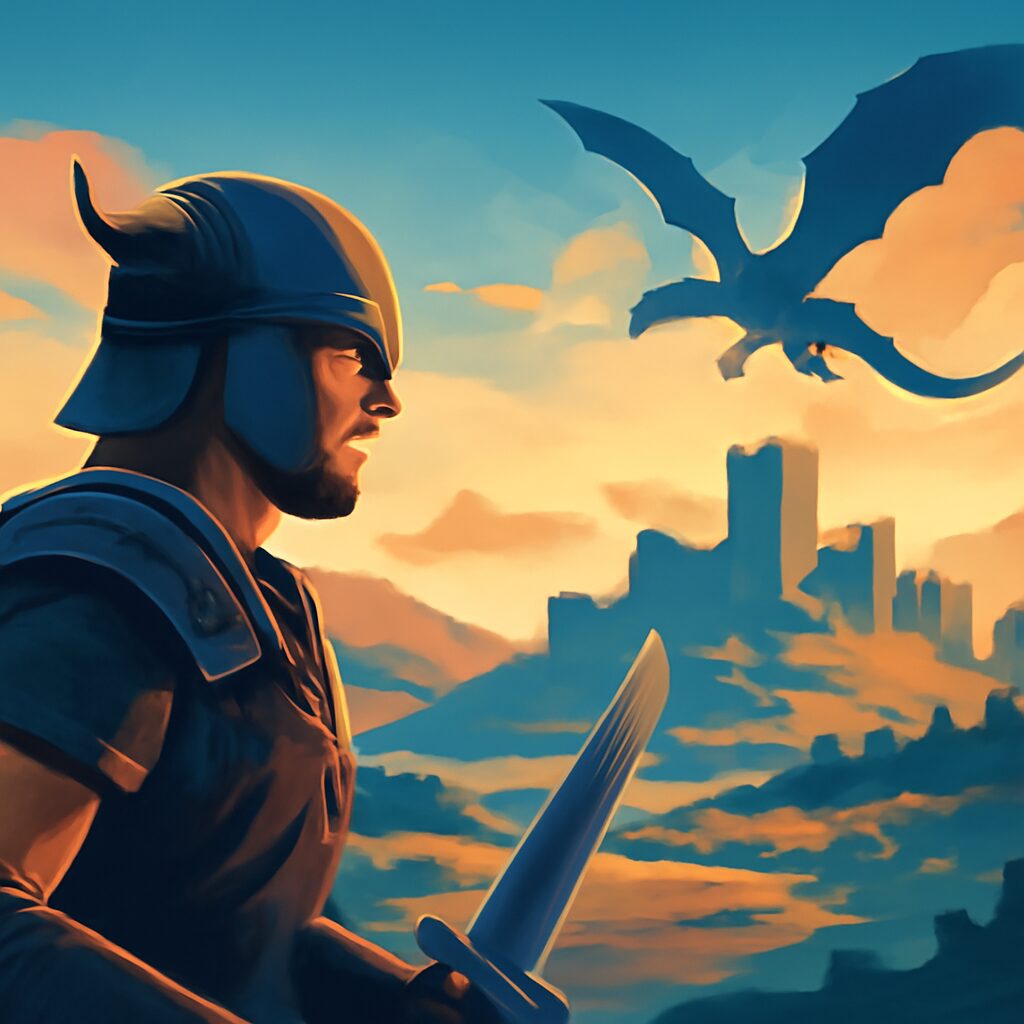
When we think of monumental gaming franchises today, The Elder Scrolls series stands tall among giants. However, the story of its origins is less glamorous than one might expect. The very first title, The Elder Scrolls: Arena, launched back in 1994, and while it wasn’t met with outright negativity, it certainly didn’t take the world by storm either. In fact, its rocky start could have easily derailed what would become a billion-dollar franchise.
A Rocky Start for Arena
Despite receiving a decent score of 87 from our reviewer Andy Butcher, Arena struggled to find its footing in a market dominated by established titles. Ted Peterson, a designer involved in both Arena and its sequel Daggerfall, reminisced about the uphill battle Arena faced during its launch. He shared that many retailers had placed orders for copies, but when Bethesda was late with their shipment, stores began canceling those orders. This was just the beginning of a challenging journey.
To put things into perspective, Peterson recalled that his very first project, a retail pack for Terminator 2029, sold more copies upon release than Arena did. However, a silver lining appeared as word of mouth began to spread. Gamers started picking up Arena, discovering its unique qualities, and enjoying the experience, which eventually helped turn things around. Peterson noted, “It was a disaster in a lot of ways and somehow built a billion-dollar franchise.”
The Challenges of Breaking into the RPG Genre
In a revealing interview from November 1995, Bethesda’s president Christopher Weaver discussed the daunting challenges the company faced with Arena. He mentioned that the gaming landscape at that time was particularly skeptical of a company known primarily for its sports games venturing into the RPG genre. Weaver stated, “We were in unknown territory with Arena, and nobody seemed to believe that a company known for its sports games—no matter how good they were—could possibly break into a genre as insular, even fanatical, as RPGs.”
Before Arena, Bethesda was mainly recognized for titles like Wayne Gretzky Hockey 3 and Gridiron!, making their leap into role-playing games seem risky. With buyers hesitant and the market skeptical, the road to success for Bethesda was paved with challenges.
From Sports Games to RPG Pioneers
Transitioning from a company known for sports games to one synonymous with RPGs was no small feat for Bethesda. With a track record that included working on titles like John Madden Football, the perception of Bethesda as a role-playing game developer needed a significant makeover. However, thanks to the unique gameplay mechanics and expansive world of Arena, that transformation began to take shape.
Today, it’s hard to imagine a world where a delay in the next Elder Scrolls title would cause outrage, especially if it meant prioritizing a new Wayne Gretzky Hockey game. The gaming community now recognizes Bethesda as a titan of the RPG genre, thanks to the seeds planted by Arena.
Legacy of The Elder Scrolls
The struggles of Arena highlight a vital lesson in the gaming industry: sometimes, it takes time for a great idea to find its audience. Even with its rocky launch, Arena has grown into a foundational piece of a franchise that has produced iconic titles like Daggerfall, Morrowind, Oblivion, Skyrim, and the highly anticipated Elder Scrolls VI.
The challenges faced by the original game serve as a testament to the resilience of both the developers and the community that rallied around a title that many initially overlooked. The Elder Scrolls series has since evolved, becoming a benchmark in role-playing games and influencing countless other titles.
For gamers in Pakistan, this story serves as a reminder of how even the most successful franchises had humble beginnings. As we anticipate the next chapter in the Elder Scrolls saga, it’s worth remembering the journey that has led us here and the passion that drives gaming innovation.
As an Amazon Associate, PakGamersHub earns from qualifying purchases.