Major Cyber Attack: Hackers Hijacked Country Domains to Forge Google & YouTube Certificates!
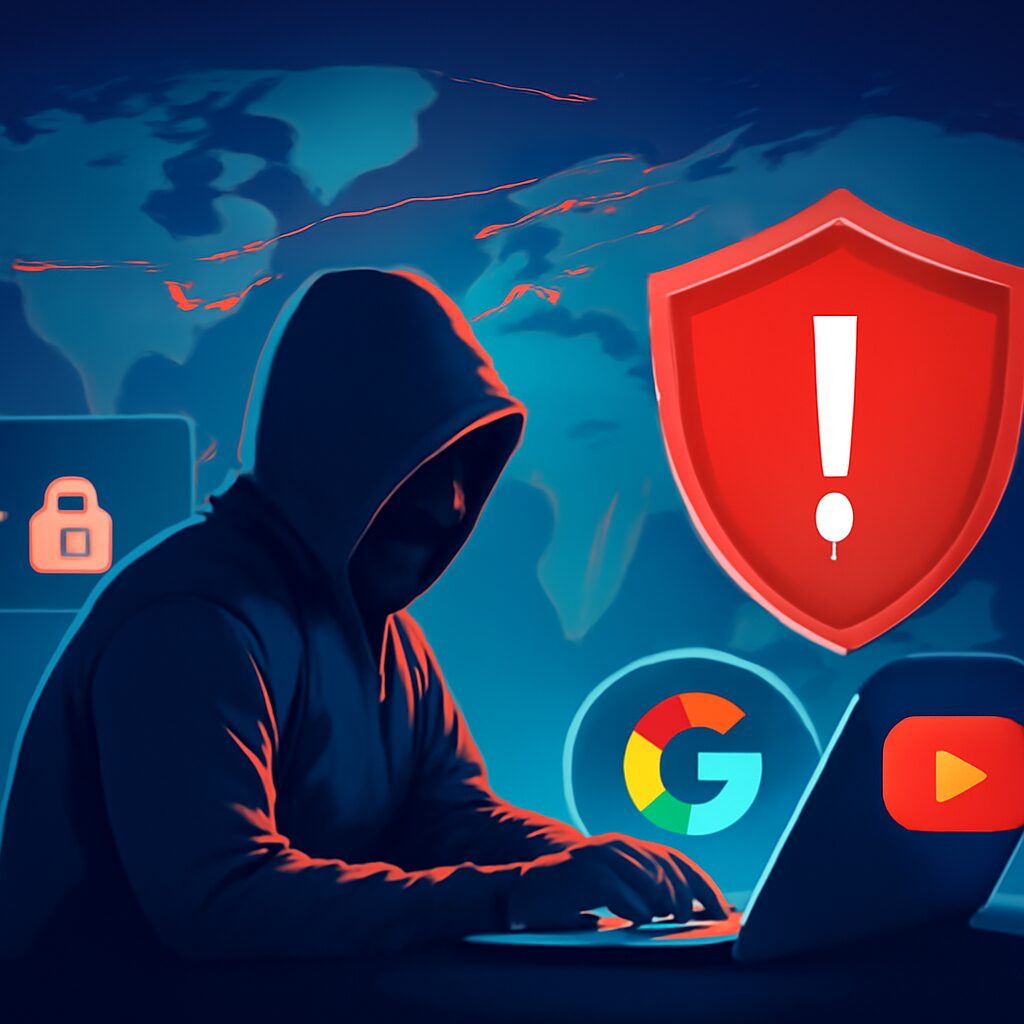
Hold onto your controllers, gamers! We’ve got some pretty wild news from the world of cybersecurity that sounds straight out of a hacking movie. In a serious breach that recently came to light, a group of attackers managed to pull off an incredibly sophisticated scheme: they hijacked the entire internet domains of three different countries. Their ultimate goal? To forge official-looking security certificates for giants like Google and YouTube.
While Google was quick to confirm that their own internal systems remained ironclad and weren’t actually breached, this incident is a stark reminder of how vulnerable parts of the internet infrastructure can be. It’s a story that highlights the constant, unseen battle against cyber threats that affect us all, even when we’re just trying to load up our favorite gaming streams or search for walkthroughs.
The Shocking Details: What Exactly Went Down?
So, what exactly does it mean to “hijack an entire country’s domain”? Imagine the internet as a massive address book. When you type in a website like google.com or youtube.com, your computer checks this address book (known as the Domain Name System, or DNS) to find the correct server where that website lives. A country’s top-level domain (like .pk for Pakistan, .com, or .org) is essentially the master index for all addresses within that country’s digital borders.
In this alarming incident, the attackers managed to gain control over the registries for .gh (Ghana), .sl (Sierra Leone), and .as (American Samoa). This is like taking over the central post office for these countries’ entire digital mail system. With this control, they could essentially redirect traffic or, in this case, issue fake credentials. Google, ever vigilant, announced the discovery of this sophisticated attack on October 6, confirming that malicious actors had used this unprecedented access to obtain unauthorized HTTPS certificates for various Google and YouTube properties.
Forging Trust: Why Fake Certificates Are a Big Deal
You know that little padlock icon in your browser’s address bar? That’s your assurance that the website you’re visiting is secure and legitimate, thanks to something called an HTTPS certificate. These certificates are issued by trusted authorities and essentially vouch for a website’s identity, encrypting your connection to prevent eavesdropping and data theft.
Here’s why the hackers’ goal of forging these certificates was so sinister:
- Impersonation: With a fake certificate, a malicious website could pretend to be google.com or youtube.com. Your browser, seeing the ‘legitimate’ (but actually forged) certificate, would display the padlock icon, making it incredibly difficult for you to tell the difference.
- Phishing Potential: Imagine logging into what you *think* is YouTube, but it’s actually a fake site controlled by hackers. Any usernames, passwords, or personal information you enter could be instantly stolen.
- Man-in-the-Middle Attacks: These fake certificates could enable attackers to intercept and manipulate your internet traffic to what you believe are legitimate Google or YouTube services, without you ever knowing.
This attack wasn’t about directly breaking into Google’s servers; it was about undermining the fundamental trust system of the internet itself. It was a clever, albeit dangerous, attempt to trick browsers into believing fraudulent sites were the real deal.
Google’s Swift Action and Your Safety
The good news in all this is Google’s rapid response. As soon as they detected the unauthorized certificates, they took immediate action to revoke them. This means that any browser attempting to use one of these fake certificates would instantly flag the website as unsafe, preventing users from falling victim to potential scams.
Crucially, Google confirmed that its own internal systems, which safeguard our Gmail, YouTube accounts, and search data, were not compromised. This particular attack focused on manipulating the external domain infrastructure rather than breaching Google’s core security. The targeted country domains, .gh, .sl, and .as, are relatively smaller in terms of global internet traffic, which likely helped Google detect and contain the issue before it could spread widely or cause significant harm.
What This Means for Gamers in Pakistan
For us gamers in Pakistan, this incident serves as a powerful reminder of the ever-present threats in the digital world. While this specific incident was quickly contained by Google and didn’t directly breach their internal systems, it highlights the need for constant vigilance. It reinforces the importance of basic cybersecurity practices that we should all follow:
- Always Check URLs: Even if a site looks familiar, double-check the URL in your browser’s address bar. Look for subtle misspellings or unusual domain extensions.
- Look for the Padlock: Ensure the padlock icon is present and that the connection is secure, especially when entering sensitive information.
- Use Strong, Unique Passwords: Never reuse passwords across different sites. Consider a password manager.
- Enable Two-Factor Authentication (2FA): This adds an extra layer of security to your accounts, making it much harder for hackers to get in even if they somehow steal your password.
This incident, though unsettling, ultimately shows the resilience of major tech companies like Google in defending against sophisticated attacks. It’s a testament to the ongoing cat-and-mouse game between cybersecurity experts and malicious actors, and why staying informed is your best defense.