Beware Gamers: Hackers Are Turning Trusted Apps Into Stealth Malware Launchpads!
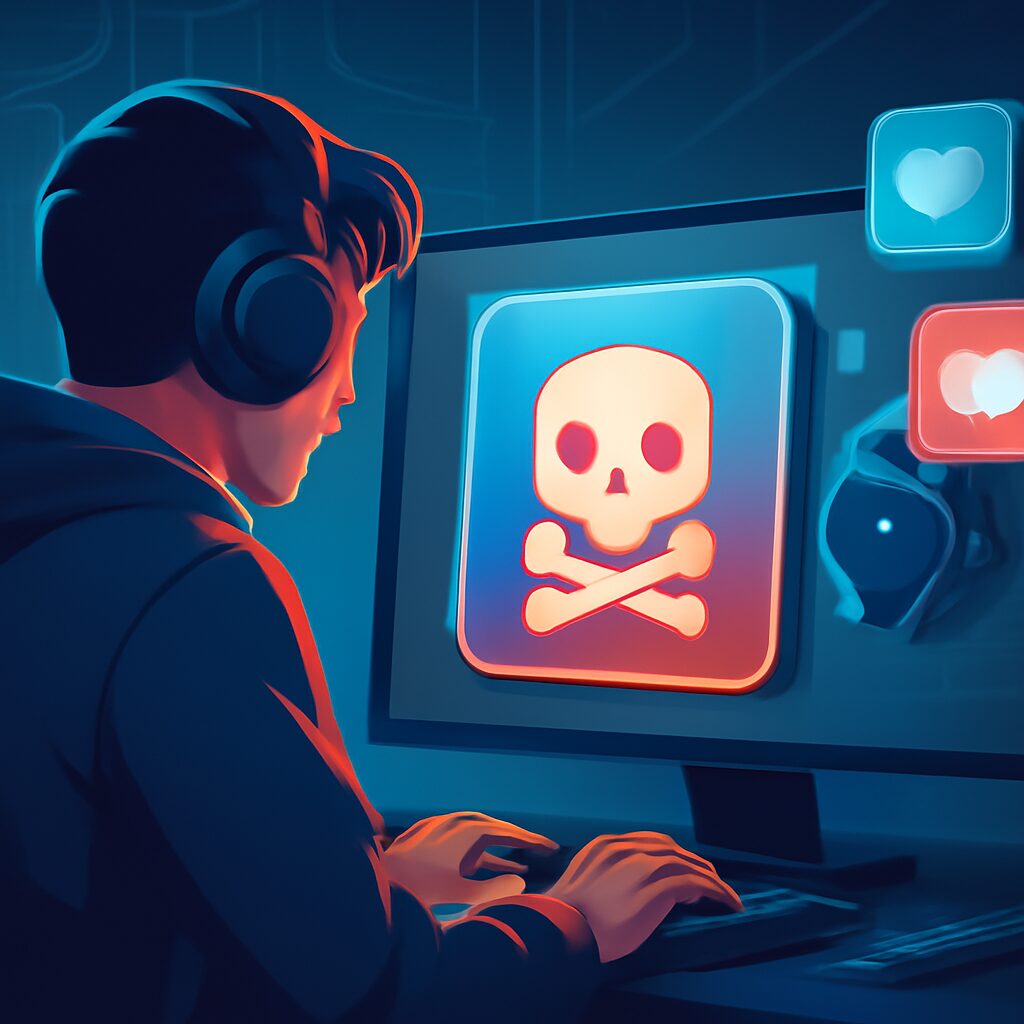
In the fast-paced world of gaming, our PCs are more than just machines; they’re our portals to incredible adventures, our competitive arenas, and often, our social hubs. We invest heavily in powerful hardware, lightning-fast internet, and our precious game libraries. But with great power comes great responsibility – especially when it comes to keeping our rigs secure from the ever-present threat of cyberattacks.
A disturbing new report highlights a sophisticated method hackers are using to sneak malware onto PCs, exploiting what many would consider a completely legitimate and trusted application. This isn’t just about shady downloads anymore; it’s about a fundamental flaw that could put your entire system, and your gaming life, at risk.
The Trojan Horse in Your System
Imagine a scenario where a program you completely trust, something from a well-known global company, becomes the unwitting accomplice for hackers. That’s precisely what’s happening. Recent findings indicate that cybercriminals are actively exploiting a vulnerability within the Siemens Software Center, a legitimate application used for managing Siemens software, to secretly install malicious programs on unsuspecting users’ computers.
The danger here is particularly insidious because the exploit leverages an application that many might have on their systems for work, study, or even for specific hardware functionalities. This makes it incredibly difficult for users to suspect anything is amiss, as the initial point of compromise isn’t a dodgy link or a cracked game, but a seemingly benign piece of software.
Understanding the “ClickFix” Deception
The technique at the heart of this attack is known as ClickFix. It’s a clever, albeit malicious, social engineering tactic designed to trick users into inadvertently executing harmful commands themselves. Instead of relying on complex system breaches, hackers manipulate users into taking actions that bypass conventional security measures.
Here’s how it generally works: The victim is lured into copying a seemingly innocuous string of text or a command. This could be presented as a “fix” for a common error, a shortcut, or even part of a troubleshooting guide. When the user pastes this command into their system, typically into a command prompt or a specific application window, they are essentially giving the malware permission to run. Because the user themselves initiates the execution, traditional antivirus software and security tools often fail to flag it as a threat, allowing the malware to install and operate undetected.
This method is terrifyingly effective. It exploits human trust and the natural inclination to follow instructions, especially when trying to solve a computer issue. The malware then gains a foothold, potentially leading to data theft, system compromise, or worse.
Why This Matters to Pakistani Gamers
You might be thinking, “I don’t use Siemens software, so I’m safe, right?” Not necessarily. While the specific exploit targets the Siemens Software Center, the underlying principle of tricking users into running commands is a universal threat. This incident serves as a crucial reminder of the broader landscape of cyber threats that affect all PC users, including the vibrant gaming community in Pakistan.
For gamers, a compromised PC can mean:
- Stolen Accounts: Your Steam, Epic Games, PlayStation Network, or Xbox Live accounts could be hijacked, leading to loss of games, progress, and in-game purchases.
- Financial Loss: Linked payment methods could be exploited, or your personal financial data stolen.
- Performance Degradation: Malware often runs in the background, consuming valuable CPU, GPU, and RAM, severely impacting your gaming performance and frame rates.
- Data Loss: Important documents, personal photos, or even game saves could be deleted or encrypted by ransomware.
- Identity Theft: Your personal information could be used for nefarious purposes.
Many Pakistani gamers use their PCs for both entertainment and productivity – be it for online classes, freelance work, or managing personal finances. A single point of compromise can therefore have ripple effects across multiple aspects of your digital life.
Protecting Your Precious Gaming Rig
While the specific vulnerability might be patched by Siemens, the broader lesson here is about vigilance and smart digital habits. Here’s what you can do to protect your PC and your gaming experience:
- Think Before You Paste: Never copy and paste commands from untrusted sources into your command prompt, PowerShell, or any application. Always verify the source and understand what the command does before executing it.
- Keep All Software Updated: This isn’t just about your games. Ensure your operating system, web browser, antivirus software, and all other applications are always running their latest versions. Developers constantly release patches for discovered vulnerabilities.
- Use Reputable Antivirus/Antimalware: A good security suite can provide an essential layer of defense, even against newer threats. Keep it active and ensure it performs regular scans.
- Strong, Unique Passwords and 2FA: This can’t be stressed enough. Use strong, unique passwords for all your online accounts, especially gaming platforms, and enable two-factor authentication (2FA) wherever possible.
- Regular Backups: Make it a habit to back up your important data – game saves, documents, photos – to an external drive or cloud service. This can be a lifesaver if your system is compromised.
- Be Skeptical: If something seems too good to be true, or if you’re asked to perform unusual steps to “fix” an issue, exercise extreme caution.
As gamers in Pakistan, we’re part of a global digital community. The threats that emerge can affect anyone, anywhere. Staying informed and practicing good cybersecurity hygiene isn’t just about protecting your hardware; it’s about safeguarding your entire digital presence and ensuring your gaming journey remains uninterrupted and secure. Stay safe out there, gamers!