Diplomatic Passport Bill Fails to Pass in Senate
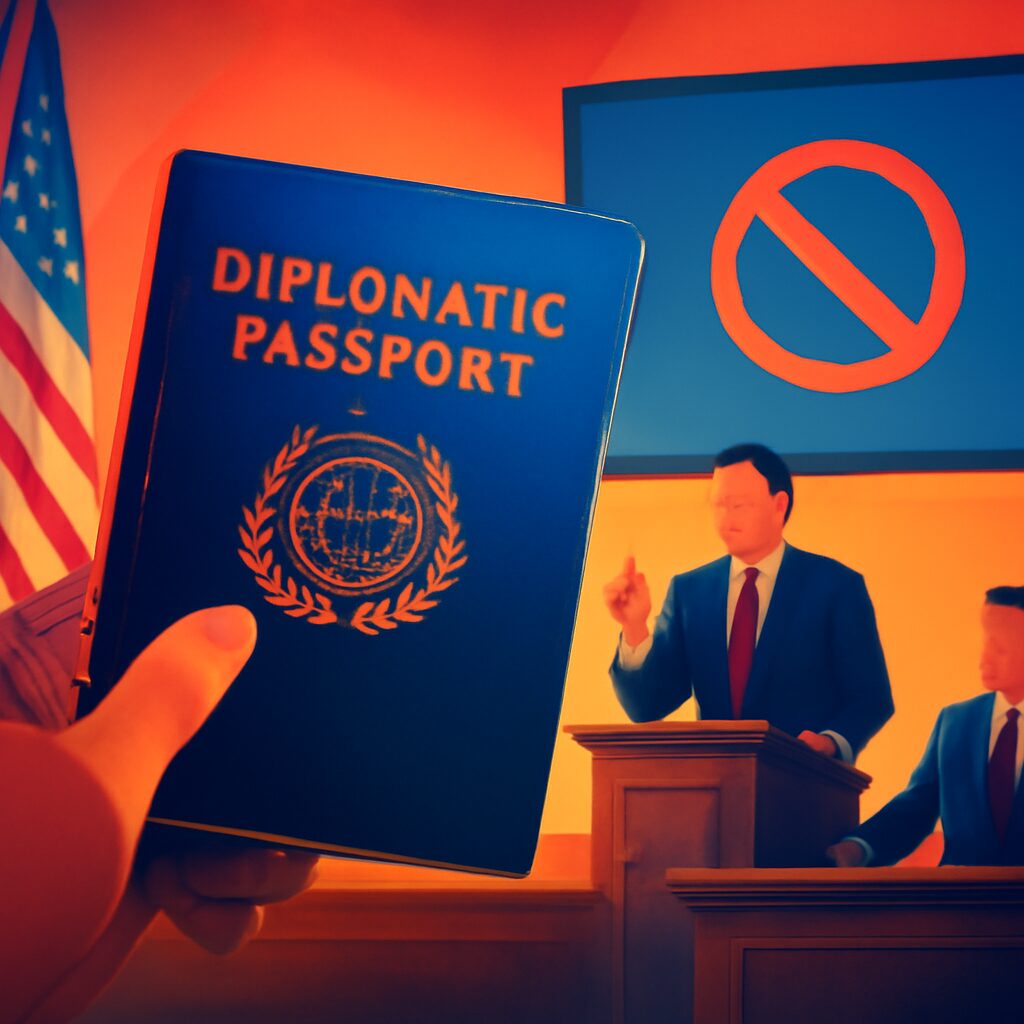
In a recent turn of events, the Senate of Pakistan has decided against a proposal aimed at limiting the issuance of diplomatic passports to certain government officials. This happened on a Monday when Senators debated the Passports (Amendment) Bill 2026, a move that has sparked quite a bit of conversation.
What the Bill Proposed
The Passports (Amendment) Bill 2026, introduced by Senator Faisal Saleem Rehman, was designed to place restrictions on who can receive diplomatic passports. The bill specifically targeted ministers of state, advisers, special assistants, and high-ranking bureaucrats.
Faisal Saleem Rehman, who also chairs the Senate Standing Committee on Interior, pushed for this legislation with the intention of reining in the misuse of diplomatic privileges. The proposal aimed to ensure that only those whose roles truly necessitate such passports would be able to obtain them.
Senate’s Response
Despite the intentions behind the bill, it faced significant opposition. Senators debated its merits, with many arguing that restricting access could hinder the effectiveness of officials when carrying out their diplomatic duties.
The rejection came as a surprise to some, as the bill had been anticipated to spark a fierce discussion. Ultimately, the Senate voted against it, highlighting the complexities surrounding the use of diplomatic passports in Pakistan.
Key Points of Contention
- Intended Restrictions: The bill sought to limit diplomatic passports to only essential personnel.
- Concerns Raised: Critics argued that such restrictions might impede the work of state officials during international engagements.
- Political Implications: The outcome underscores the ongoing debate about government transparency and accountability.
Implications for Government Officials
The failure of the bill means that the current system for distributing diplomatic passports will remain unchanged. This could lead to continued scrutiny regarding how these privileges are granted and who ultimately benefits from them.
As public awareness regarding government practices grows, the citizens of Pakistan may expect more discussions around accountability and the proper use of governmental powers.
What Does This Mean for Gamers?
While this political piece of news might seem far removed from the gaming world, it reflects an ongoing narrative about governance and transparency that resonates across all sectors, including tech and gaming. As Pakistan’s gaming community continues to expand, a transparent and accountable government could lead to more favorable policies that support the growth of the industry.