AI, Faith, and the Future of Work: A Discussion for Pakistani Gamers
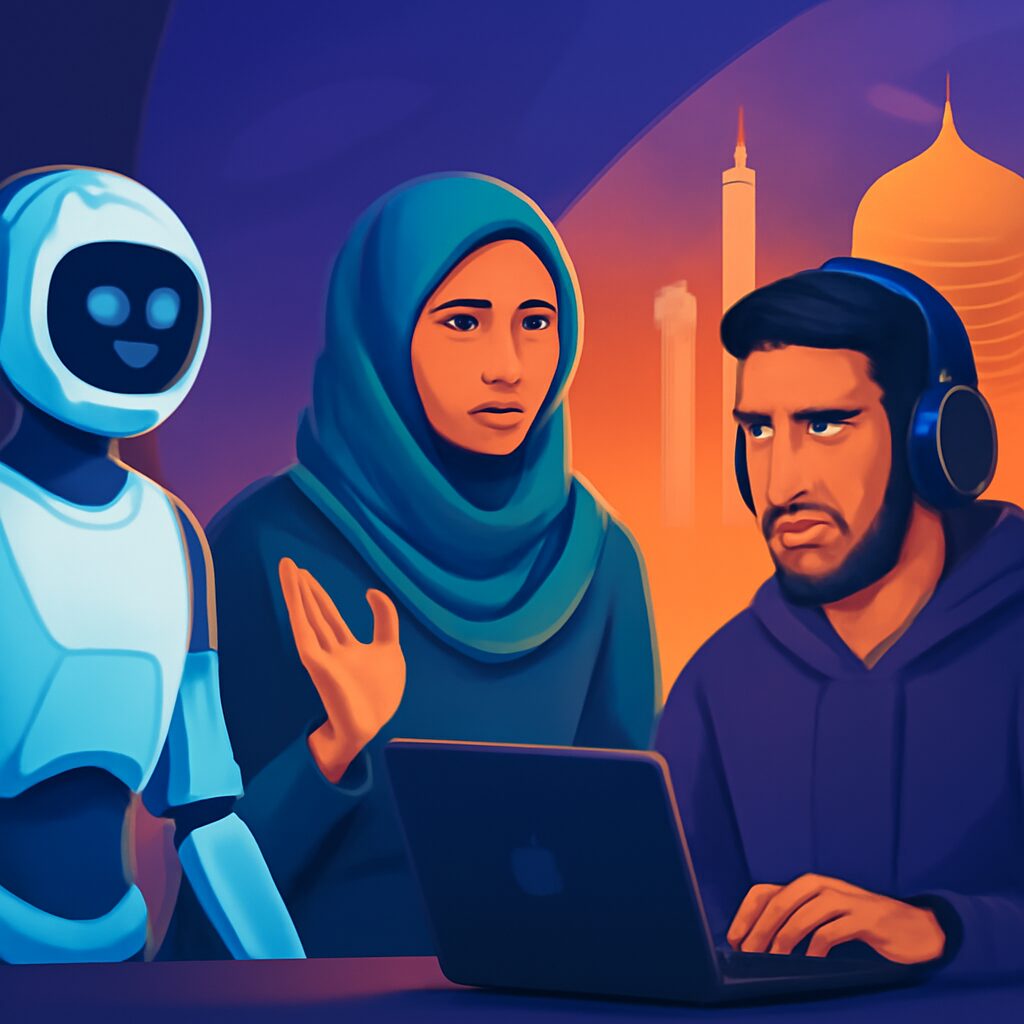
In a world rapidly embracing artificial intelligence, a fascinating development has emerged from the academic sphere that’s sparking conversations about technology, ethics, and personal beliefs. While it might not seem like typical gaming news at first glance, this story carries implications that could resonate deeply with creative professionals, developers, and even casual gamers in Pakistan as AI’s role in our digital lives continues to grow.
The news involves a university administrator, David Durman at the University of Kentucky, who recently secured a religious exemption from using AI tools in his workplace. This isn’t just about a personal preference; it’s a decision rooted in deeply held convictions about the nature of creation and the essence of human intellect, prompting us to consider how our values intersect with technological advancement.
The Core of the Exemption: Beliefs vs. Bots
So, what exactly led to this exemption? David Durman’s reasoning is quite profound. He expressed that his beliefs lead him to view artificial intelligence as technology that attempts to mimic human consciousness and creativity. For him, this simulation of what he considers divine attributes — the spark of life and original thought — conflicts with his religious convictions.
It’s important to note that this isn’t necessarily tied to believing in a specific deity, but rather a profound philosophical and religious stance on creation itself. The core idea is that if AI tries to replicate or generate “life-like” or “conscious-like” output, it crosses a line that challenges his understanding of the universe and humanity’s place within it.
This case highlights a growing global discussion: as AI becomes more sophisticated, where do we draw the line? And how do personal, ethical, and religious frameworks adapt to a world where machines can generate art, write code, and even hold seemingly intelligent conversations?
AI Everywhere: From Spreadsheets to Game Engines
The integration of AI into our daily lives and professional spaces is no longer a futuristic concept; it’s a present reality. From predictive text on our phones to complex algorithms powering financial markets, AI tools are becoming indispensable. In the workplace, AI is streamlining tasks, automating data analysis, assisting with writing, and even generating design concepts.
The rapid evolution of AI means it’s no longer just a backend tool. It’s actively participating in creative processes, which brings us closer to the heart of Durman’s concerns. We see AI generating images, composing music, and even writing stories. This proliferation demands a closer look at the ethical implications and how individuals, especially those with strong moral or religious beliefs, will navigate this new landscape.
Consider the types of AI tools now common:
- Generative AI: Creating text, images, and audio from prompts.
- Predictive AI: Analyzing data to forecast outcomes or suggest actions.
- Automation AI: Handling repetitive tasks and workflows.
These tools, while efficient, raise questions about the originality of output and the role of human input.
What This Means for the Gaming World (and Pakistan!)
While David Durman’s case is in an academic administrative setting, the underlying questions about AI, creativity, and ethics are incredibly relevant to the gaming industry. AI is a foundational element in modern game development and gameplay experiences.
Think about:
- AI-Powered NPCs: Non-player characters with increasingly sophisticated behaviors and dialogue, sometimes appearing almost human-like in their interactions.
- Procedural Content Generation: AI creating vast game worlds, quests, or items on the fly, reducing development time but challenging traditional notions of “designer intent.”
- AI Art and Assets: Developers using AI tools to quickly generate concept art, textures, or even 3D models.
- AI Voice Acting: Synthesized voices for characters, raising questions about authenticity and the future of human voice actors.
Could game developers, artists, or even players in Pakistan face similar dilemmas? Imagine a scenario where a game’s AI becomes so advanced that it starts to feel truly “conscious,” or if an AI-generated piece of art conflicts with a developer’s personal convictions about human creativity. In a country like Pakistan, where faith and cultural values often play a significant role in individual choices, these discussions around AI’s capabilities and ethical boundaries could become particularly pronounced within the tech and gaming sectors.
Navigating the Digital Frontier with Our Values
This administrator’s exemption isn’t just a quirky news item; it’s a window into a larger global conversation. It forces us to confront how deeply held beliefs can shape our interaction with powerful technology. It’s about finding a balance between harnessing the immense potential of AI and upholding our values, ethics, and spiritual convictions.
For the Pakistani gaming community, this discussion provides an opportunity to reflect on how we engage with technology. As AI continues to evolve and integrate into game development and digital experiences, understanding these broader ethical and philosophical considerations will become crucial. It’s about ensuring that as we innovate, we do so thoughtfully, respecting the diverse perspectives within our vibrant community.
As an Amazon Associate, PakGamersHub earns from qualifying purchases.