Intel Faces Stock Drop Amid AI Surge and Declining PC Sales
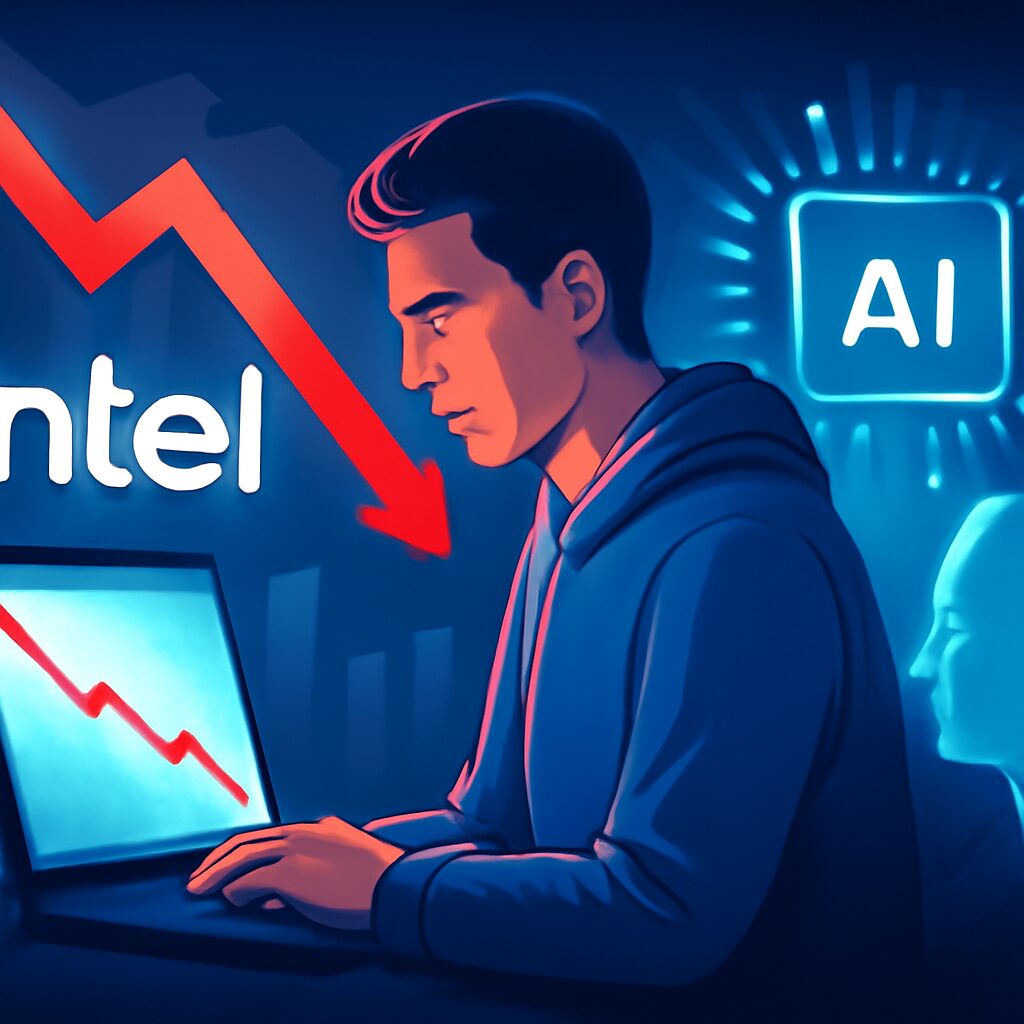
In a surprising turn of events, Intel’s stock has taken a significant dive, resulting in a hefty loss of around $12 (approx. Rs 3,340) billion from government investments. The tech giant, which has long been a player in the semiconductor sector, is currently grappling with a shift in demand that’s leaving its core PC sales in the dust.
The driving force behind this downturn appears to be the surging interest in artificial intelligence, which is aggressively consuming memory and various components that were once staples for personal computers. As a result, PC prices are climbing, making them less accessible for consumers.
Impact of AI on Component Demand
The rapid rise of AI technologies is reshaping the landscape of hardware demand. Companies focusing on AI require substantial amounts of memory and processing power, creating a shortage of critical components. This shift has had a direct impact on Intel, which has seen its traditional markets shrink as more investment flows into AI-centric solutions.
While the AI boom presents opportunities, it also means that legacy PC markets are struggling to keep up, forcing Intel to rethink its strategy. Consumers are beginning to see the effects in their wallets as the price of components rises.
The Decline in PC Sales
Intel has always relied heavily on the PC market for its revenue, but recent trends indicate a worrying decline in sales. Shifts in consumer behavior, driven by increased remote working and gaming, have altered the demand dynamics.
As gamers and professionals pivot toward more powerful machines tailored for high-performance tasks, the once-stable PC market is faltering. This decline has created a ripple effect, impacting Intel’s financial stability.
The Government’s Stake and Economic Implications
The government’s stake in Intel has also been affected by this stock slump. With a staggering $12 (approx. Rs 3,340) billion loss, policymakers are now keeping a close eye on the tech industry, understanding that its fluctuations can affect national economic interests.
Intel’s struggles highlight not just the challenges the company faces but also the broader implications for the tech ecosystem. Investors and stakeholders are feeling the heat as the market adjusts to these shifts.
What’s Next for Intel?
As Intel navigates through this turbulent period, many are left wondering what the future holds. The company will need to innovate and possibly pivot to adapt to the changing demands of both AI and traditional computing.
In the interim, gamers and PC users might feel the pressure of increased costs, but Intel’s potential response could reshape the hardware landscape in interesting ways. It remains crucial for the industry to balance AI proliferation with the needs of everyday consumers.
“Intel’s ability to adapt will be key in determining its future in an increasingly AI-driven world,” analysts suggest.
For players and technology enthusiasts, the ongoing developments at Intel will certainly be worth watching. The outcome could significantly influence both the pricing of PC components and the overall market landscape in the months to come.
Note: PKR figures are approximate, based on a rate of Rs 278.00 per USD. Exchange rates fluctuate — please check the latest dollar rate for exact pricing.
As an Amazon Associate, PakGamersHub earns from qualifying purchases.