The One Ring’s Epic Debut: Inside Rings of Power Season 3’s Monumental Forging Scene
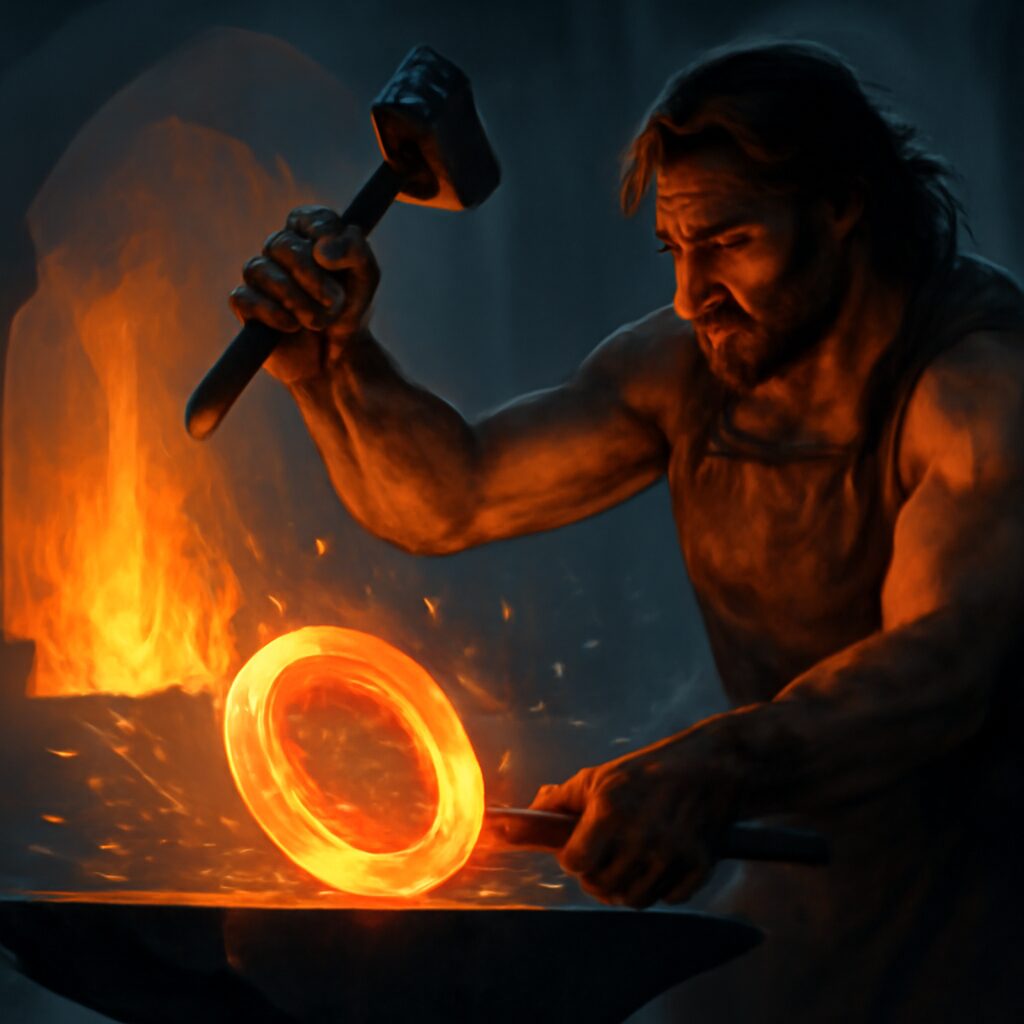
The whispers are growing louder, and the anticipation is reaching fever pitch for fans of Middle-earth. Prime Video’s The Rings of Power is gearing up for its highly awaited Season 3, and with it comes a moment that has been etched into the very mythology of J.R.R. Tolkien’s world: the forging of the One Ring. This isn’t just another plot point; it’s a foundational event that reshapes the destiny of all free peoples, and the creators behind the series are pulling back the curtain on the immense effort that went into bringing this iconic scene to life.
For many, the sight of Sauron finally crafting his ultimate weapon is the culmination of years of storytelling and world-building. It’s a sequence that promises to be both visually stunning and emotionally resonant, marking a pivotal turn in the ongoing saga of the Second Age.
The Long Road to Mount Doom: A Three-Year Endeavor
Co-showrunner Patrick McKay revealed that the journey to this singular moment has been a monumental undertaking, stretching over three years of dedicated work. It began not on a lavish set, but with words on a page, evolving from a mere four pages of prose into an intricate blueprint for one of the most complex sequences ever attempted for television. This isn’t just about filming; it’s about meticulous planning across every department.
McKay emphasized the collaborative spirit required, where initial concepts laid out in the script were then meticulously fleshed out by various department heads. From costuming decisions – detailing how Sauron’s attire would change and show the wear of his arduous task – to the specifics of accumulating injuries, every visual element was carefully considered. Even the very nature of the magic involved in the forging process was debated and designed.
Crafting the Ultimate Symbol of Power
Central to the entire sequence is, of course, the Ring itself. Prop masters John Hajdukiewicz and Tina Jones faced an unenviable task: designing an object that is instantly recognizable to millions of fans worldwide, yet also unique to this specific adaptation. Their ultimate conclusion was clear: the design had to remain true to its established image.
“Lord of the Rings fans need to be able to connect with that ring,” Jones explained, highlighting the immense pressure to get it right. “So we couldn’t change it, we realized that we couldn’t change the design. It had to be instantly recognizable to everybody who had watched Peter Jackson’s [movies] and knew exactly what that ring was.”
However, while the fundamental aesthetic remains untouched, the prop team did introduce a subtle, yet significant, modification. They opted to make the new One Ring slightly larger than previous cinematic iterations. Hajdukiewicz clarified the reasoning behind this decision:
- Visual Impact: The original dimensions, when tested against the gauntlet Sauron would wear, appeared “insignificant.”
- Sense of Mass: The team wanted the ring to convey a feeling of substantial weight and power, suggesting that if one were to pick it up, it would feel genuinely heavy.
- Subtle Refinement: The ring was also “beefed up slightly” and “rounded very slightly” to achieve this desired presence without altering its iconic silhouette.
These careful adjustments ensure that while the ring is undeniably *the* One Ring, it possesses a presence fitting for its dramatic introduction in The Rings of Power.
Sauron’s Fiery Performance
Bringing the Dark Lord to life during this pivotal moment fell to actor Charlie Vickers, whose performance as Sauron left the showrunners in awe. McKay described Vickers as an “exceedingly prepared actor,” someone who invests considerable time outside of rehearsals to delve into the psychology and motivations of his complex character.
The intensity of the shoot itself was palpable. Imagine: a partial volcano constructed on a stage, with lighting rigs simulating explosive lava, and Vickers at its heart, screaming into the void. It’s a testament to both the actor’s dedication and the production team’s ingenuity that such a visceral scene could be captured.
“I remember we first had a meeting I think for like an hour just talking him through what it was going to be,” McKay recalled, emphasizing the depth of preparation. “And then one day you’re there, you’re on a partial volcano built on a stage, and he’s screaming into the void. And you have lighting rigs that will become lava explosions.”
The Final Masterpiece: A Year of Polish
Even after the cameras stopped rolling on set, the work was far from over for co-showrunners Patrick McKay and JD Payne. The raw footage, however captivating, still needed to be molded into the epic spectacle fans expect. This post-production phase alone spanned an incredible 52 weeks, a full year dedicated to refining every visual effect, sound design, and narrative beat.
McKay proudly described the forging sequence as “the most complex sequence we’ve ever done, and it’s something that we’ve never seen before.” The sheer scale of this undertaking underscores the team’s commitment to delivering a truly unprecedented cinematic experience. The final touches were only recently completed, meaning the sequence remains fresh in the minds of its creators.
As The Rings of Power Season 3 prepares to unleash this monumental event, it’s clear that fans are in for a treat. The culmination of years of writing, design, acting, and intensive post-production is set to define the season and leave an indelible mark on the lore of Middle-earth. Mark your calendars: the journey begins on Prime Video on November 11, with a special four-episode premiere that promises to be nothing short of legendary. Prepare to witness history being forged.