Zelda’s Timeline Tango: Why Ocarina of Time’s Remake Skips Explicit Nods
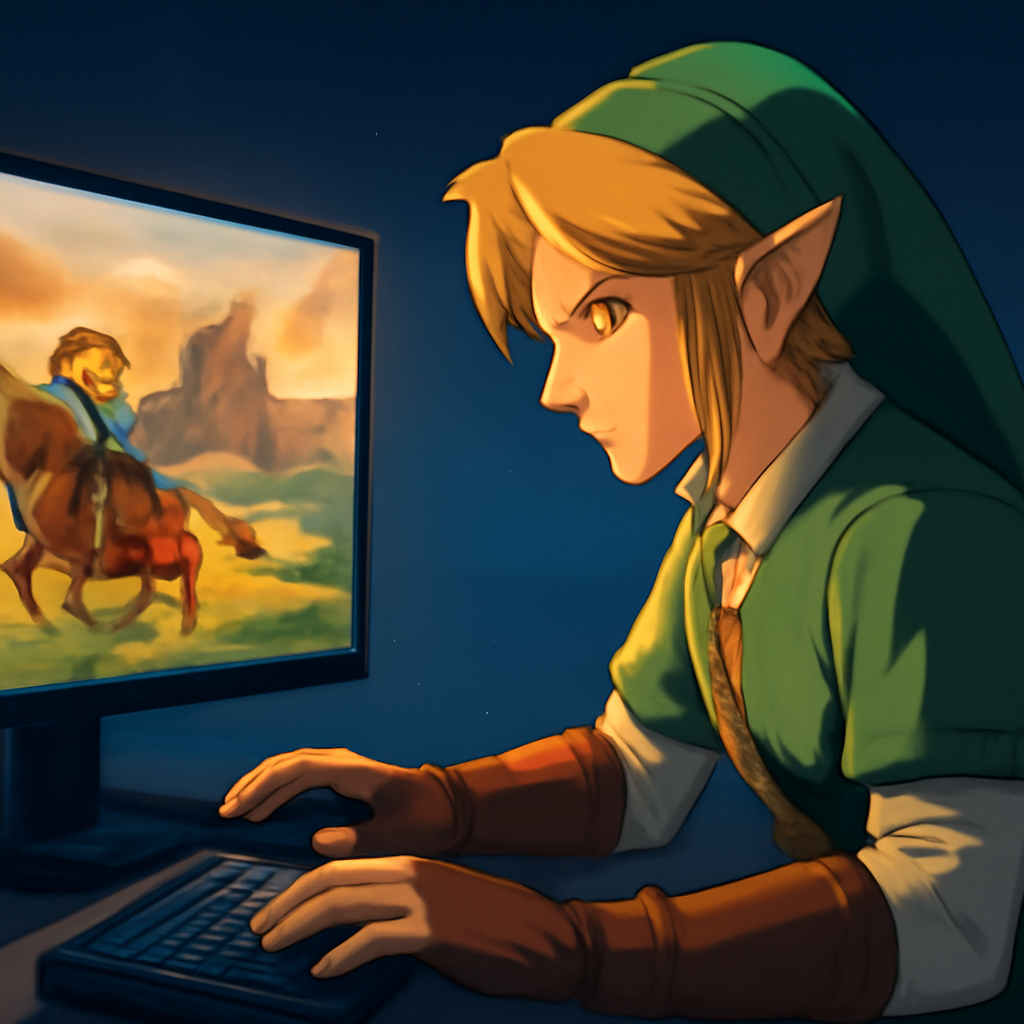
The Legend of Zelda series holds a special place in the hearts of gamers worldwide, and few titles evoke as much nostalgia and reverence as Ocarina of Time. So, when whispers of a potential remake for the upcoming Switch 2 console began circulating, the excitement was palpable. But beyond updated graphics and smoother controls, a deeper question lingered: would this new version finally address or even acknowledge the notoriously intricate and often debated Zelda timeline?
It turns out, the development team did consider weaving in some explicit nods to the series’ convoluted chronology. However, according to none other than Zelda series producer Eiji Aonuma, the decision was ultimately made to keep the focus squarely on perfecting the game itself, ensuring it stands as the definitive rendition of the Hylian epic.
The Eternal Puzzle: Unpacking the Zelda Timeline
For decades, fans have poured over every detail, every lore drop, and every cryptic hint to piece together the grand narrative of Hyrule. The Zelda timeline is infamous for its complexity, particularly how it famously splits into three distinct branches directly following the events of Ocarina of Time. This single game acts as the lynchpin, dictating the fate of Hyrule based on Link’s ultimate success or failure.
These divergent paths have fueled countless discussions and theories across the gaming community. Here’s a quick look at how Ocarina of Time fractures the series’ history:
- The Fallen Hero Timeline: If Link is defeated by Ganondorf, leading to games like A Link to the Past and Link’s Awakening.
- The Child Timeline: If Link triumphs and returns to his childhood, preventing Ganondorf’s rise, setting the stage for Majora’s Mask and Twilight Princess.
- The Adult Timeline: If Link triumphs and travels seven years into the future, leading to the flooded world of The Wind Waker and Phantom Hourglass.
Given this monumental impact, it’s no surprise that developers might have been tempted to acknowledge these connections directly in a remake. Yet, Nintendo’s approach has historically been less explicit.
Aonuma’s Philosophy: Game First, Lore Second
Speaking in a recent interview, Eiji Aonuma shed light on the internal discussions surrounding the remake. He confirmed that the idea of integrating timeline references was indeed brought up by the development staff. However, his direction was clear and focused.
It’s funny because the staff would sometimes ask me about the possibility of including nods to the timeline or references to the other game, and I actually, at the time, would say, ‘No, let’s focus on this game. Let’s make this the best version of Ocarina of Time that we can.’
This statement highlights a core philosophy: prioritize the player experience within the specific game. For Aonuma, ensuring the Switch 2 version of Ocarina of Time is as polished, engaging, and faithful to its original vision as possible takes precedence over intricate lore integration. He later reiterated, “So, the timeline was in the back of our mind, but we didn’t consider taking an approach to this game where we actually, explicitly included references like that.”
The Miyamoto Precedent: Enjoy the Journey
This development philosophy isn’t new to the Zelda series. Even the legendary creator, Shigeru Miyamoto, has famously expressed that directly connecting every game within a rigid chronological order wasn’t his primary concern. His focus was always on crafting compelling individual adventures that could stand on their own.
This approach has allowed for creative freedom, even leaving the chronological placements of monumental titles like Breath of the Wild and Tears of the Kingdom somewhat ambiguous. While it’s generally understood they occur long after other stories have faded into legend, their precise spot on any existing timeline remains a topic of spirited discussion, potentially even inhabiting a distinct version of Hyrule altogether.
What This Means for Hyrule’s Future
With more Zelda titles reportedly on the horizon for next year, the series continues to evolve. Hidemaro Fujibayashi, director of the critically acclaimed Breath of the Wild, has emphasized the importance of new Zelda games bringing fresh ideas to the table, rather than simply rehashing old ones. This sentiment aligns with Aonuma’s focus on perfecting each game as a unique experience.
Nintendo seems to recognize that both brand-new adventures and meticulously crafted remakes hold significant value for their audience. The decision to let the Ocarina of Time remake shine on its own, without getting bogged down in explicit timeline Easter eggs, speaks volumes about their commitment to quality and player immersion.
For fans, this means we can look forward to a potentially stunning return to one of gaming’s most iconic worlds, knowing that the developers’ primary goal was to deliver the best possible version of Ocarina of Time. The rich, debated timeline will, no doubt, continue to be a source of fascinating fan theories and discussions for years to come, just as it always has been, independent of any in-game acknowledgments.
As an Amazon Associate, PakGamersHub earns from qualifying purchases.