Paradox Interactive Shakes Up Leadership Amidst Industry Volatility: What’s Next for the Grand Strategy Titans?
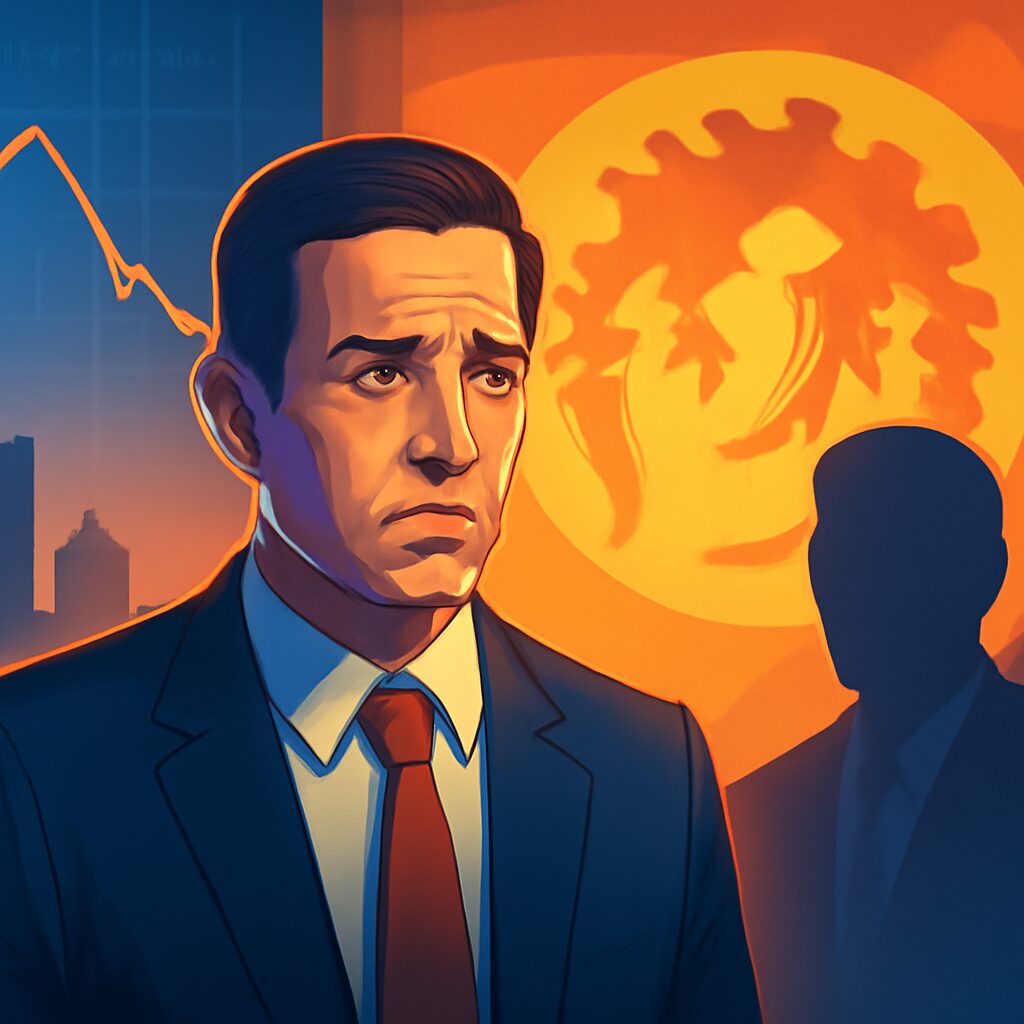
The world of video games is constantly shifting, and even the most established publishers aren’t immune to change. This week, gaming giant Paradox Interactive, renowned for its deep, intricate grand strategy titles, announced a significant leadership transition set to take place in the new year.
This move sees a familiar face stepping down from the top role, making way for new leadership from within the company’s ranks. It’s a significant moment for the Swedish publisher, coming at a time when many in the gaming industry are grappling with considerable challenges.
A Strategic Shift at the Helm
Come early next year, Paradox Interactive will see its long-serving CEO, Fredrik Wester, hand over the reins. Wester, a pivotal figure in the company’s growth and strategy for many years, will transition to a new role within the board. His departure from the CEO position marks the end of an era for a company that has cultivated a dedicated global fanbase.
Stepping into the top executive slot will be Mattias Lilja, who currently serves as Paradox’s Deputy CEO. Lilja’s promotion signals a commitment to internal talent and continuity, suggesting that the core vision and direction of the company are likely to remain intact, albeit with fresh perspectives at the very top.
The Grand Strategy Legacy of Paradox Interactive
For many gamers, Paradox Interactive is synonymous with grand strategy. They’ve carved out a unique niche in the industry, offering players unparalleled depth, historical immersion, and complex simulation. Their titles aren’t just games; they’re often described as living worlds that evolve over hundreds of in-game years.
The company boasts an impressive portfolio of beloved franchises, each with a passionate community:
- Crusader Kings: A medieval dynasty simulator where players forge personal sagas of love, war, and intrigue.
- Europa Universalis: An epic journey through centuries of global history, from the Age of Discovery to the Napoleonic Wars.
- Hearts of Iron: A detailed World War II simulation focused on military strategy and political maneuvering.
- Stellaris: A grand strategy game set in the vast expanse of space, allowing players to explore, expand, exploit, and exterminate alien empires.
- Victoria: A deep dive into the Victorian era, focusing on industrialization, political reforms, and societal changes.
These games are known for their extensive post-launch support, often receiving numerous expansions and content updates years after their initial release, which is a key part of Paradox’s business model.
Navigating the Industry’s Stormy Waters
The announcement of this leadership change comes with a notable statement from Paradox itself: they believe they are “in a strong position at a time when much of the industry is facing major challenges.” This isn’t an idle boast, as the past year has seen numerous layoffs, project cancellations, and studio closures across the gaming landscape.
Paradox’s relative stability can be attributed to several factors. Their niche focus on grand strategy games fosters a loyal, dedicated player base willing to invest in expansions and DLC. This long-tail revenue model often proves more resilient than a reliance on single, blockbuster releases. Furthermore, their commitment to ongoing content development keeps players engaged for years, ensuring a steady stream of income and community interaction.
The company’s approach to game development, often involving iterative improvements and robust community feedback, also helps mitigate risks. They understand their audience deeply, which allows them to tailor content that resonates and performs well within their specific market segment.
What Does This Mean for Players?
A change in leadership, especially at the CEO level, always sparks curiosity about a company’s future direction. For the millions of players engrossed in the intricate worlds of Crusader Kings or planning their next conquest in Europa Universalis, the immediate question is how this might affect their favorite games.
Given Mattias Lilja‘s existing role as Deputy CEO, it’s reasonable to expect a smooth transition with an emphasis on continuity. Major shifts in core game philosophy or strategic direction are less likely than if an external candidate were brought in. Instead, we might see refinements in existing strategies, a renewed focus on certain types of content, or perhaps an acceleration of new initiatives.
Ultimately, Paradox’s stated strong position suggests that their ability to continue developing and supporting their beloved franchises remains robust. Gamers can likely look forward to more expansions, new titles, and the continued evolution of the grand strategy genre under this new leadership.
As an Amazon Associate, PakGamersHub earns from qualifying purchases.