Grand Theft Auto 6 Player Reportedly Banned from PSN for In-Game Nudist Photo
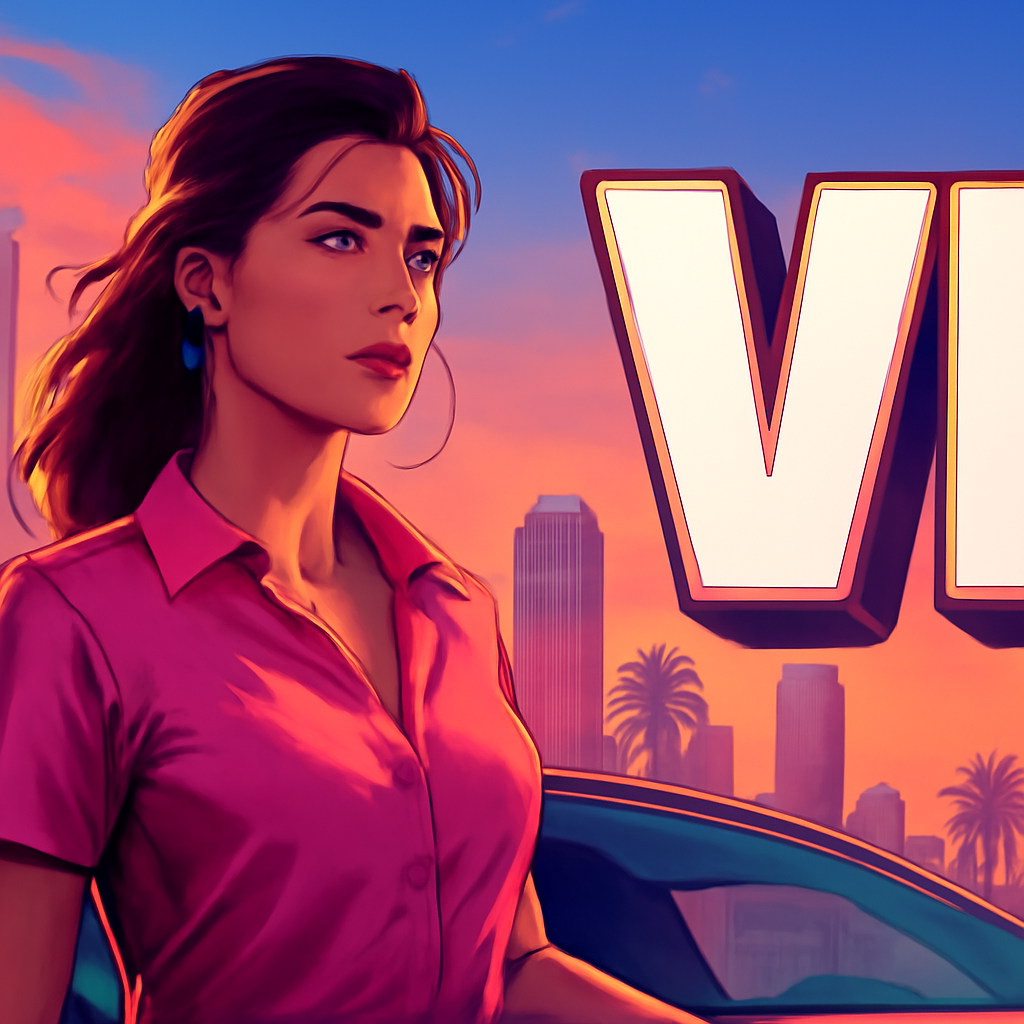
The digital playgrounds we inhabit often come with unwritten rules, or at least, rules we don’t always scrutinize until a line is crossed. A recent report has sent ripples through the gaming community, suggesting a sticky situation involving one of the most anticipated titles in recent memory, Grand Theft Auto 6, and the strict guidelines of the PlayStation Network.
It seems that even within the expansive, often satirical, and undeniably mature worlds crafted by developers, there are boundaries concerning what players can share. This particular incident highlights the increasingly complex relationship between in-game freedom and platform policies, sparking debate about where the line truly lies.
The Alleged Incident: A Snapshot Too Far?
According to claims circulating online, a player of the upcoming Grand Theft Auto 6 found themselves on the receiving end of a significant penalty: a 30-day PlayStation Network ban. The alleged reason? Sharing a seemingly innocuous photo. This wasn’t just any photo, however; it was a screenshot reportedly taken from within the game’s virtual nudist resort, then sent to a friend.
The specifics of the incident remain somewhat shrouded, as is often the case with individual account actions. However, the core of the issue is clear: a player captured a moment from a developer-designed, in-game location known for its adult themes, and subsequently faced a platform-wide suspension for sharing that very image. This raises immediate questions about the nature of content moderation in a world where games frequently push the boundaries of mature content.
Navigating the PSN Code of Conduct
Sony’s PlayStation Network, like most online gaming platforms, operates under a comprehensive Code of Conduct designed to ensure a safe and respectful environment for all users. These rules govern everything from player behavior in multiplayer lobbies to the content users share through messaging, profiles, and live streams. While the exact wording can be extensive, the spirit of these guidelines is generally to prevent harassment, hate speech, illegal activities, and the dissemination of sexually explicit or otherwise inappropriate content.
When it comes to sharing media, PSN’s policies are particularly stringent. Users are typically advised against sharing content that is:
- Sexually explicit, pornographic, or depicts nudity.
- Harmful, threatening, abusive, or harassing.
- Hateful or discriminatory towards any group.
- Illegal or promotes illegal activities.
- Violates intellectual property rights.
The challenge arises when developer-created content, especially in M-rated games like the Grand Theft Auto series, intentionally includes elements that might, out of context, fall under these prohibitions. Players engage with these worlds as intended, but their interactions with the platform’s social features then become a potential minefield.
The Gray Area: In-Game Content vs. User Misconduct
This incident brings into sharp focus a long-standing dilemma for both platform holders and gamers. Grand Theft Auto titles are renowned for their mature themes, satire, and often controversial content. A nudist resort, for instance, would not be out of place in such a game, designed by Rockstar Games as part of its immersive, if sometimes provocative, world. The question then becomes: if a developer includes such content, is a player merely documenting the game world when they take a screenshot?
There’s a significant distinction to be made between user-generated explicit content – where players create and share graphic imagery themselves – and sharing a screenshot of content designed and approved by the game developer within an M-rated game. For many players, capturing a moment from a game, even a controversial one, is part of their experience and social interaction. It’s akin to discussing a scene from a movie or a passage from a book, regardless of its mature nature.
However, platform holders like Sony have a broader responsibility. They must provide a safe environment for a diverse user base, including minors, and comply with various regional laws regarding content. This often means applying a blanket policy that might not always differentiate between developer-intended mature content and truly illicit user-generated material. The context of who the photo was shared with (a friend) versus public broadcasting also plays a role, though PSN’s monitoring systems often scan all shared content.
Community Reactions and Future Implications
News of such a ban naturally ignites passionate discussion within the gaming community. Many players feel that if a game is rated M for Mature and contains certain content, then capturing and sharing screenshots of that content with mutual understanding should be permissible, especially in private conversations. Others might argue that platform rules are paramount, regardless of the game’s rating, and players should always err on the side of caution.
This incident, if confirmed, could set a precedent or at least serve as a stark reminder for players to be extremely careful with what they share from any game on platform networks. It highlights the potential disconnect between the creative freedom offered by game developers and the strict moderation policies of platform providers. As games become increasingly realistic and push more boundaries, these clashes are likely to become more frequent.
It also raises questions about the methods of moderation. Are these bans the result of automated systems flagging keywords or visual cues, or human reviewers making judgment calls? The nuances of context are often lost on automated systems, leading to situations that feel unfair or disproportionate to players.
Ultimately, this reported ban serves as a crucial reminder for gamers worldwide to familiarize themselves not only with the content of their games but also with the terms of service of the platforms they play on. While the excitement for Grand Theft Auto 6 continues to build, players might want to exercise extra caution when sharing their in-game adventures, ensuring that what’s acceptable within the game world doesn’t become a violation in the eyes of the platform holders.
As an Amazon Associate, PakGamersHub earns from qualifying purchases.