The Hidden Hero Behind Half-Life: The Story of Ken Williams
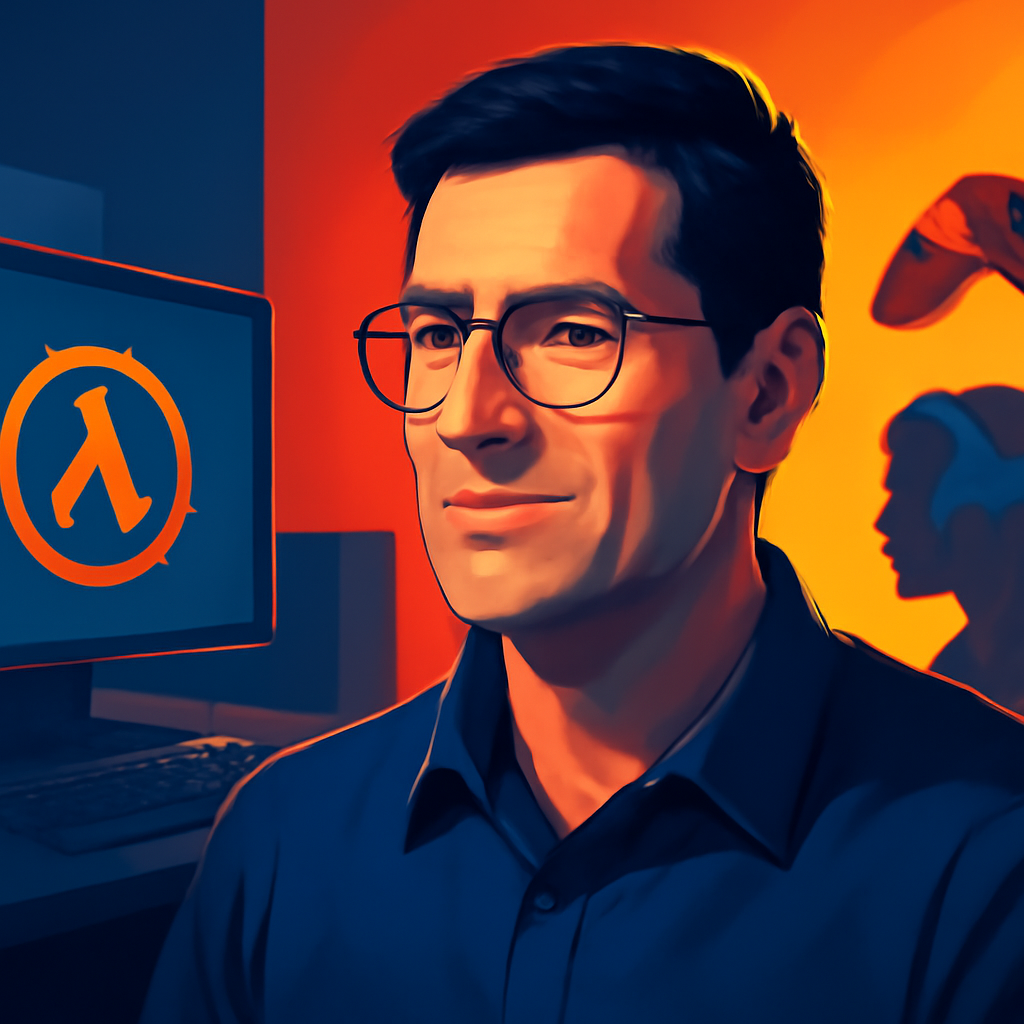
When we think of Half-Life, Gabe Newell often comes to mind as the mastermind behind Valve. But interestingly, there’s another key figure who played an essential role in bringing this iconic game to life: Ken Williams. This gaming legend, who co-founded Sierra Online, had a vision for the future of video games that helped pave the way for what we now know as Half-Life.
Back in the day, Williams and his wife, Roberta, transformed Sierra Online into a powerhouse with beloved titles like King’s Quest and Space Quest under their belt. They even launched The Sierra Network in 1991, the first online gaming service dedicated solely to video games. Fast forward to 1996, and Williams found himself in a meeting with Newell at a critical point for Valve.
At this time, Valve had everything in place—a skilled team, innovative technology, and a groundbreaking genre. However, they were missing a crucial component: a publisher. In the mid-90s, having a publishing partner was vital for a game’s success, especially when physical shelf space was the primary way to get games into the hands of players.
Valve had pitched Half-Life to several publishers but struggled to gain traction. Newell recalled the challenges, saying, “It felt strange transitioning from Microsoft to a game publisher who dismissed us.” But Ken Williams saw promise in what Valve was doing. With Sierra’s significant growth since going public in 1989, he was eager to dive into the first-person shooter scene, which was starting to explode.
While Williams was actively seeking to license a shooter engine, he received Valve’s proposal at just the right moment. The situation was a bit comical—Seattle was blanketed in snow on the day Valve was set to pitch, making it a treacherous commute, yet Williams was the only Sierra employee to brave the weather and make it to the office for the meeting.
The pitch was a hit! Williams was so impressed that he cut Newell off mid-presentation, saying, “Okay, you’re done! Let me explain why Sierra should partner with you!” Ironically, it was the technical challenges that deterred other publishers that intrigued Williams. He recognized that Valve was using an existing engine as a foundation for something greater, rather than just recycling it.
However, when it came to sealing the deal, it wasn’t Williams who put pen to paper. He left Sierra shortly after that pivotal meeting, leaving the negotiations to Scott Lynch, who was less enthusiastic initially. But as discussions continued about storytelling and creating immersive worlds, it became evident that Valve had serious potential beyond just pumping out more Quake-style shooters.
In a twist of fate, while Williams championed Valve’s vision, the game’s success didn’t quite revitalize Sierra in the way he had hoped. The company, known for its “launch and leave” strategy, quickly moved on after Half-Life’s development, allowing Valve to regain control of the franchise. Sadly, Sierra faded from the limelight after being acquired by Vivendi and ultimately shutting down in 2008.
Despite some bumps along the road during development, like Valve’s decision to reboot Half-Life completely—a move Sierra didn’t support—Ken Williams’ early support was crucial. Who knows how the gaming landscape might have shifted without him? In an amusing parallel, after leaving Sierra, Williams also took to sailing, just like Newell, but on a more modest yacht. By 2025, he and Roberta had cruised around 60,000 nautical miles, enjoying their own adventures on the water.
As an Amazon Associate, PakGamersHub earns from qualifying purchases.