Digital Fortresses Breached: South Korea’s Financial Sector Targeted Again, AI Hacking Threatens Asia
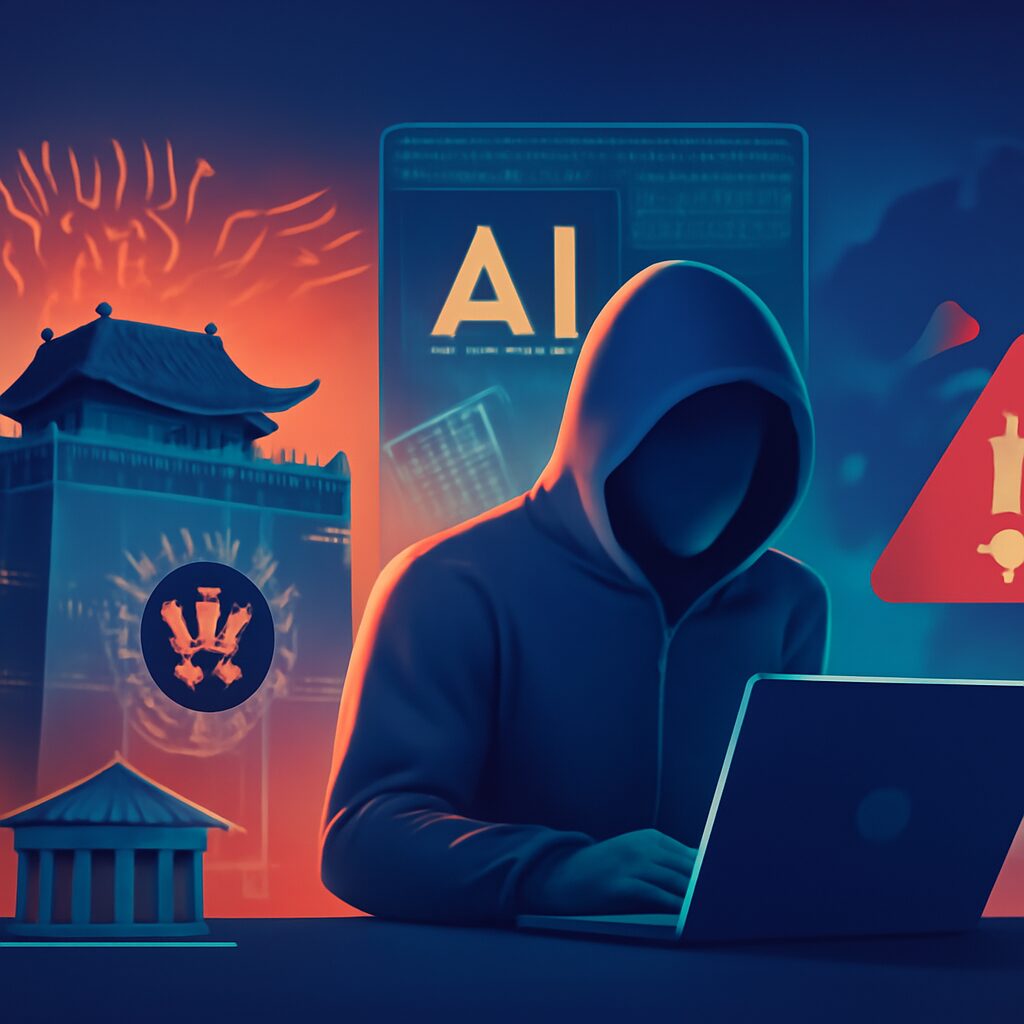
In our increasingly connected world, where gaming, banking, and social lives are all intertwined online, cybersecurity is no longer just an IT department’s concern – it’s everyone’s. We rely on secure digital transactions for everything from topping up our game accounts to paying utility bills. That’s why news from the global tech front, especially from our neighbours in Asia, always catches our attention.
Recently, South Korea’s financial sector has once again found itself under siege, facing a fresh wave of cyberattacks. This isn’t just a localized incident; it’s a stark reminder of a rapidly evolving threat landscape, particularly the growing risk posed by AI-driven hacking across the entire Asian continent. For gamers in Pakistan, understanding these trends is crucial, as they can indirectly impact our digital lives and the security of our online activities.
The Relentless Pressure on South Korea’s Digital Economy
South Korea is a global powerhouse when it comes to technology and digital infrastructure. Its financial institutions are highly advanced, offering seamless online and mobile banking experiences. However, this very sophistication makes them prime targets for cybercriminals. The recent attacks mark another wave of assaults on these vital financial strongholds, indicating an ongoing and persistent challenge.
These institutions hold vast amounts of sensitive data – from personal information to financial records – making them incredibly attractive to hackers. A successful breach can lead to massive financial losses, identity theft, and a severe erosion of public trust. The continuous nature of these attacks highlights the sheer determination and evolving tactics of those looking to exploit digital vulnerabilities.
AI: The New Frontier of Cyber Warfare
What makes this particular wave of attacks, and the broader trend it represents, so concerning is the mention of AI-driven hacking. We often hear about Artificial Intelligence in gaming, powering realistic NPCs or enhancing graphics, but AI has a much darker side when put into the hands of malicious actors. Imagine hacking tools that can learn, adapt, and operate with unprecedented speed and precision.
AI can supercharge traditional hacking methods. For instance, it can craft highly convincing phishing emails that are nearly indistinguishable from legitimate communications, tailored specifically to their targets. AI algorithms can identify vulnerabilities in systems much faster than human hackers, or even develop new strains of malware on the fly. This creates an “arms race” scenario, where cybersecurity defenders must also leverage AI to detect and counter these intelligent threats, pushing the boundaries of digital defense to new levels.
Asia’s Evolving Cyber Landscape and What It Means
The report emphasizes that the risk of AI-driven hacking is growing significantly across Asia. This isn’t surprising given the rapid digital transformation occurring throughout the region. Countries are embracing cashless payments, cloud services, and online platforms at an incredible pace. While this brings immense convenience and economic growth, it also expands the attack surface for cybercriminals.
From booming e-commerce markets to rapidly expanding fintech sectors, Asia is a hotbed of digital activity. This makes it an attractive target for sophisticated state-sponsored groups, organized crime syndicates, and individual hackers looking to profit from vulnerabilities. South Korea’s experience serves as a crucial bellwether for the entire region, signaling that enhanced vigilance and robust cybersecurity measures are no longer optional, but absolutely essential.
Protecting Your Digital Playground: What Gamers Can Do
While these attacks target financial institutions, their implications ripple out to every internet user, including us gamers. Our gaming accounts, digital wallets, and personal information are all part of the broader digital ecosystem that these cyber threats aim to compromise. If the underlying financial infrastructure is weak, our ability to make secure online purchases or protect our account details can be indirectly affected.
It’s a good time to double down on our personal cybersecurity habits. Here are a few key practices to keep your online life, especially your gaming world, secure:
- Strong, Unique Passwords: Never reuse passwords. Use a mix of uppercase, lowercase, numbers, and symbols for each account. Consider a password manager.
- Two-Factor Authentication (2FA): Enable 2FA on every account that offers it – Steam, Epic Games, PlayStation Network, Xbox Live, Battle.net, email, and banking apps. This adds an extra layer of security that hackers find very difficult to bypass.
- Beware of Phishing: Be extremely cautious of suspicious emails, messages, or links. Never click on links from unknown senders, even if they look legitimate. Always verify the source.
- Keep Software Updated: Regularly update your operating system, web browser, antivirus software, and even game launchers. Updates often include critical security patches.
- Monitor Your Accounts: Regularly check your transaction history for unusual activity on your banking apps, credit cards, and gaming accounts.
The rise of AI in cyberattacks signals a new era of digital threats that are more sophisticated and harder to detect. For gamers in Pakistan, whose lives are increasingly online, staying informed and proactive about cybersecurity is paramount. Let’s ensure our digital fortresses are strong, not just for our financial security, but for the safety of our entire online gaming experience.
As an Amazon Associate, PakGamersHub earns from qualifying purchases.