A 29-Year Secret Unlocked: Bethesda’s Battlespire Easter Egg Finally Found!
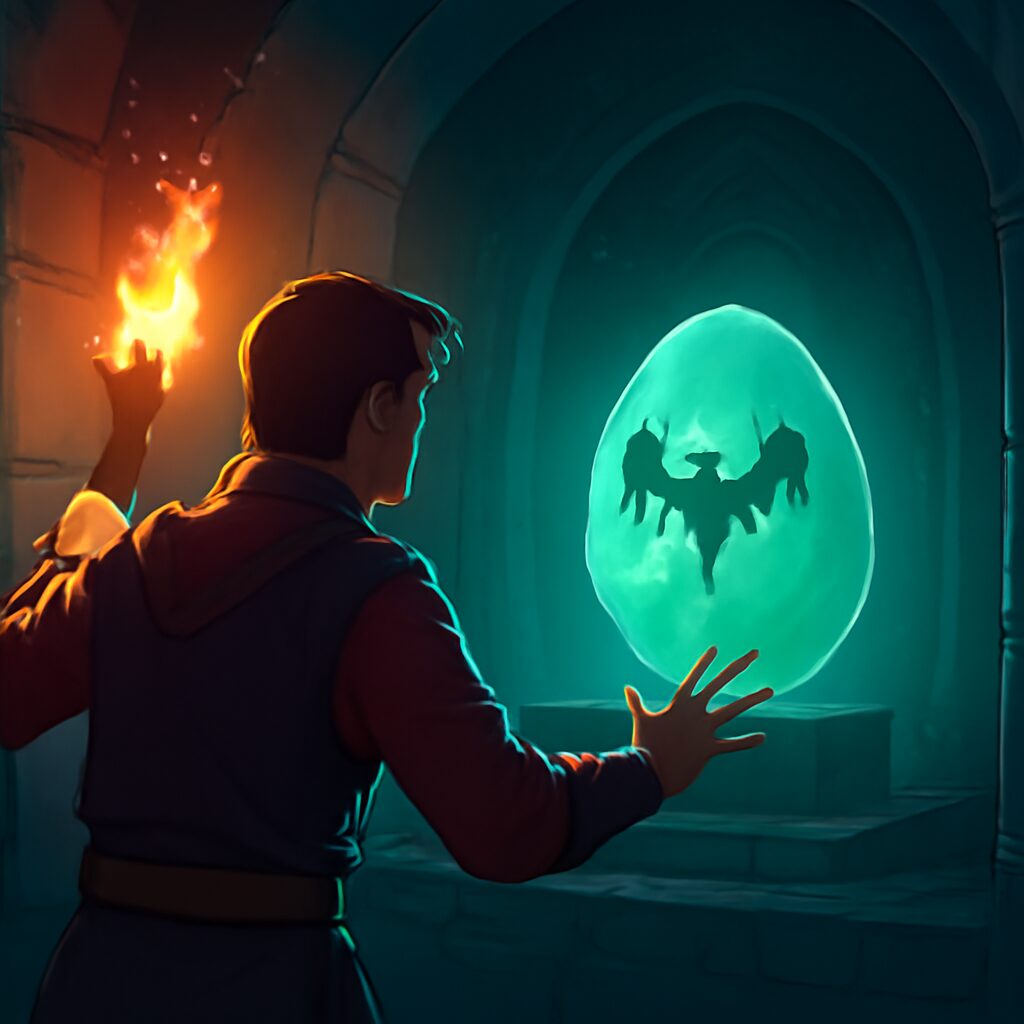
For nearly three decades, a hidden secret lay dormant within the digital confines of An Elder Scrolls Legend: Battlespire, a lesser-known title from Bethesda’s vast RPG library. While games like Morrowind and Oblivion brought The Elder Scrolls into the mainstream spotlight, the series’ earlier entries, though perhaps not as widely celebrated, were no less ambitious. Now, a remarkable discovery has brought one of these forgotten gems back into the conversation, revealing an Easter egg that has eluded players for over 29 years.
This isn’t just about finding a quirky in-game detail; it’s a touching nod to the early days of one of gaming’s most iconic franchises and a tribute to one of its foundational figures. The gaming community is buzzing with the news, as uncovering such an ancient secret offers a rare glimpse into the development culture of a bygone era.
Battlespire: A Unique Chapter in Elder Scrolls History
Released in 1997, An Elder Scrolls Legend: Battlespire stands as a rather unique entry in the Elder Scrolls saga. Unlike its sprawling open-world siblings, Battlespire was conceived as a more focused, linear dungeon crawler. Players experienced the world in a first-person perspective, engaging in the crunchy, tactical RPG combat that characterized its predecessors, Arena and Daggerfall, but within a much more confined and intense setting.
While it didn’t achieve the critical acclaim or commercial success of later titles, Battlespire is historically significant. It marked the final Elder Scrolls project where Julian LeFay, often hailed as the “father of The Elder Scrolls” for his pivotal role in creating the series, served as a full-time Bethesda employee. Though he later contributed to Morrowind as a contractor, Battlespire truly represents the culmination of the series’ early design philosophy under his direct guidance.
The Long-Lost Developer Photo
For years, whispers and vague mentions of a hidden developer photo circulated within the dedicated Elder Scrolls community, particularly on fan wikis like the Unofficial Elder Scrolls Pages. Players knew that an Easter egg involving a picture of some of the development team existed, but the crucial piece of the puzzle—how to actually trigger it in the game—remained a mystery. The entry famously noted, “It is not currently known how to get this Easter egg to display or if it actually functions in the final game.”
This ambiguity fueled speculation and curiosity among ardent fans, but without concrete instructions, the Easter egg remained a legendary, unconfirmed secret. It was a testament to the game’s enduring legacy that even a forgotten detail could hold such fascination for nearly three decades, patiently waiting for someone to crack its code.
Unveiling the Secret: How It Was Found
The breakthrough finally came thanks to The Strong National Museum of Play, a renowned institution dedicated to the history of games. The museum recently acquired a treasure trove of documents belonging to the late Julian LeFay, who passed away in 2025. These archival materials proved to be the key to unlocking the long-held secret.
Among LeFay’s papers were the instructions needed to activate the elusive Easter egg. It turns out the method was surprisingly simple, yet obscure enough to remain undiscovered for so long. To see the developer photo, players need to:
- Load into the game as usual.
- As you begin to type the word “spire” (which is the game’s title, making it a clever hint), hold down the number 1 key on your keyboard.
Upon successfully performing this sequence, the screen will reveal a photograph featuring members of the development team, accompanied by the enthusiastic caption: “Battlespire rules!” It’s a charming, retro Easter egg that speaks volumes about the passion and camaraderie of the team behind the game.
Julian LeFay’s Enduring Legacy
While Battlespire itself received mixed reviews upon its release, and some critics even saw it as part of a challenging period for Bethesda before the massive success of Morrowind, its significance is undeniable. This game was a bridge, connecting the early, experimental days of The Elder Scrolls with the grandeur that was to come. More importantly, it was a profound chapter in the career of Julian LeFay.
LeFay’s vision and contributions laid the groundwork for the entire Elder Scrolls universe. His influence is still felt in every corner of Tamriel, from the intricate lore to the innovative gameplay mechanics. Even Todd Howard, the current director and executive producer at Bethesda Game Studios, has publicly acknowledged LeFay’s monumental impact.
“Without Julian, we would not be here today,” Howard stated, mourning LeFay’s passing and recognizing him as “the driving force in the creation of The Elder Scrolls and the foundations of Bethesda as a game studio.”
The discovery of this long-lost Easter egg, particularly through his personal documents, serves as a poignant reminder of LeFay’s legacy and the human element behind the games we cherish. It highlights the lasting impression he left on Bethesda and the gaming world.
This incredible find underscores the enduring appeal of classic games and the dedication of the gaming community and institutions to preserve their history. It’s a reminder that even after decades, the digital worlds we explore can still hold untold stories and delightful surprises, waiting for the right moment to be unearthed by curious minds. It encourages us all to revisit older titles, as you never know what forgotten secrets might still be lurking within their code!