Amazon’s Carbon Emission Challenge: What It Means for the Future
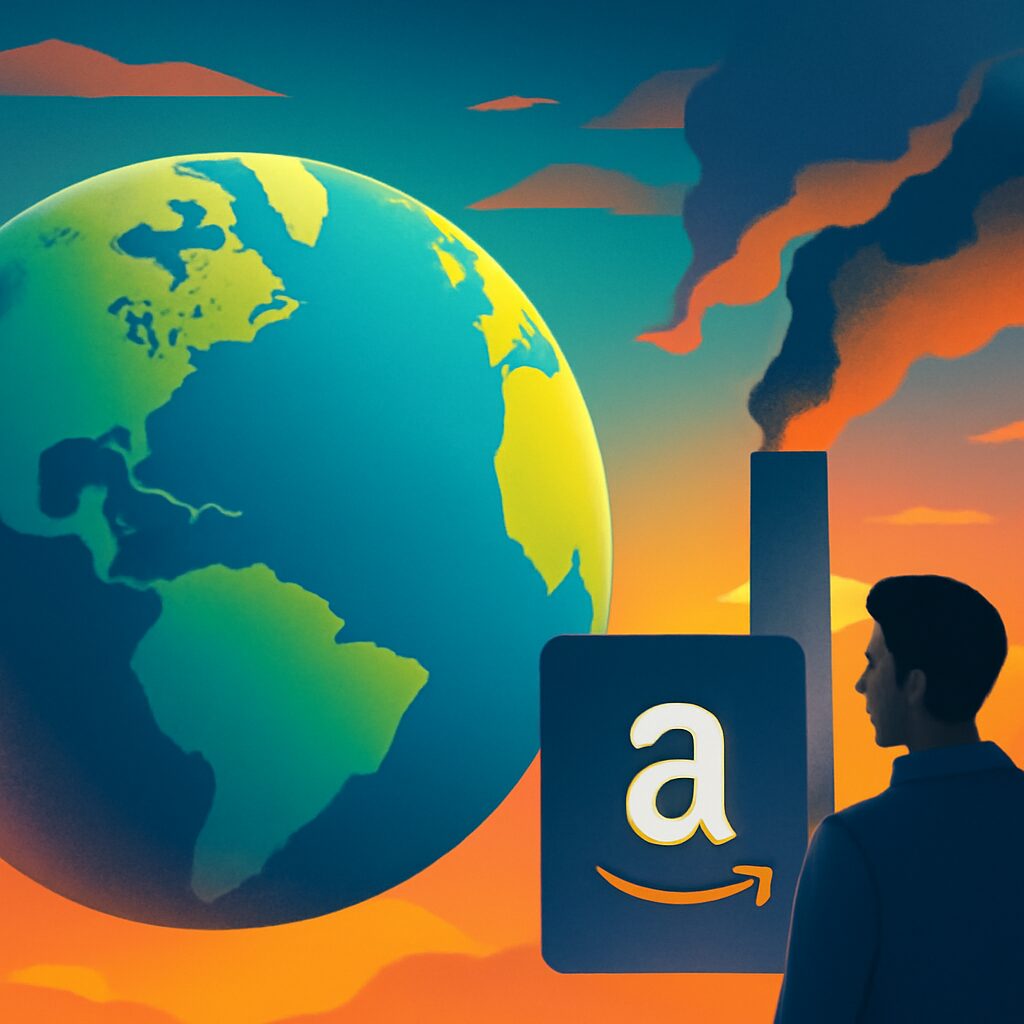
Amazon, a giant in the global marketplace, is facing scrutiny over its commitment to achieving net zero carbon emissions. As one of the most influential corporations, the question arises: how accountable is it for its environmental promises? With ongoing debates about sustainability, it’s crucial to explore what this pledge means not just for Amazon, but for the world.
Understanding Amazon’s Pledge
In recent years, Amazon has announced ambitious plans to reach net zero carbon emissions by 2040. This pledge aligns with the global movement towards sustainability, but the path to achieving this goal is filled with challenges. With a massive supply chain and extensive logistics, the company’s operations contribute significantly to carbon emissions.
Challenges Faced by Amazon
Critics argue that Amazon’s size and operational complexity make it difficult to fully meet its sustainability targets. Here are some of the main challenges the corporation faces:
- Massive energy consumption across warehouses and data centers.
- Dependence on fossil fuels for transportation and logistics.
- Waste management issues, including packaging waste from deliveries.
- Balancing rapid growth with sustainable practices.
These challenges underline the difficulty of transitioning to greener practices while maintaining the efficiency that customers expect from Amazon.
Efforts Toward Sustainability
Despite the hurdles, Amazon has made several efforts to reduce its carbon footprint. The company has invested heavily in renewable energy projects, including solar and wind farms. Additionally, Amazon is working on innovations in electric delivery vehicles to cut down on emissions from its logistics operations.
Moreover, Amazon has launched initiatives aimed at promoting better practices among its partners and suppliers, encouraging them to adopt more sustainable methods as well.
The Broader Implications
Amazon’s approach to carbon reduction could set a precedent for other companies. If Amazon can successfully navigate the complexities of sustainability, it might encourage a ripple effect across various industries. This could lead to a collective shift towards more eco-friendly practices, which would be a significant win for the planet.
However, if Amazon fails to meet its targets, it could create skepticism about corporate commitments to sustainability. Such a scenario might discourage other companies from making similar pledges, undermining global efforts to combat climate change.
What This Means for Gamers in Pakistan
For gamers in Pakistan, the implications of Amazon’s actions are twofold. First, as gaming increasingly moves towards cloud services, companies like Amazon have a hand in shaping the infrastructure that will support these services. Second, as awareness of climate issues grows, gamers might find themselves advocating for more sustainable practices in the gaming industry. Overall, how giants like Amazon approach their environmental responsibilities could influence the future landscape of gaming and technology.