Christopher Nolan Calls AI a “Transparent Trojan Horse” – Are Gamers Right to Be Wary?
When a visionary like Christopher Nolan speaks, the world listens. Known for mind-bending blockbusters like Inception and Oppenheimer, Nolan recently weighed in on Artificial Intelligence, and his take is as thought-provoking as his films. For us gamers, who often interact with AI in virtual worlds or see its growing influence on creative industries, his words carry extra weight.
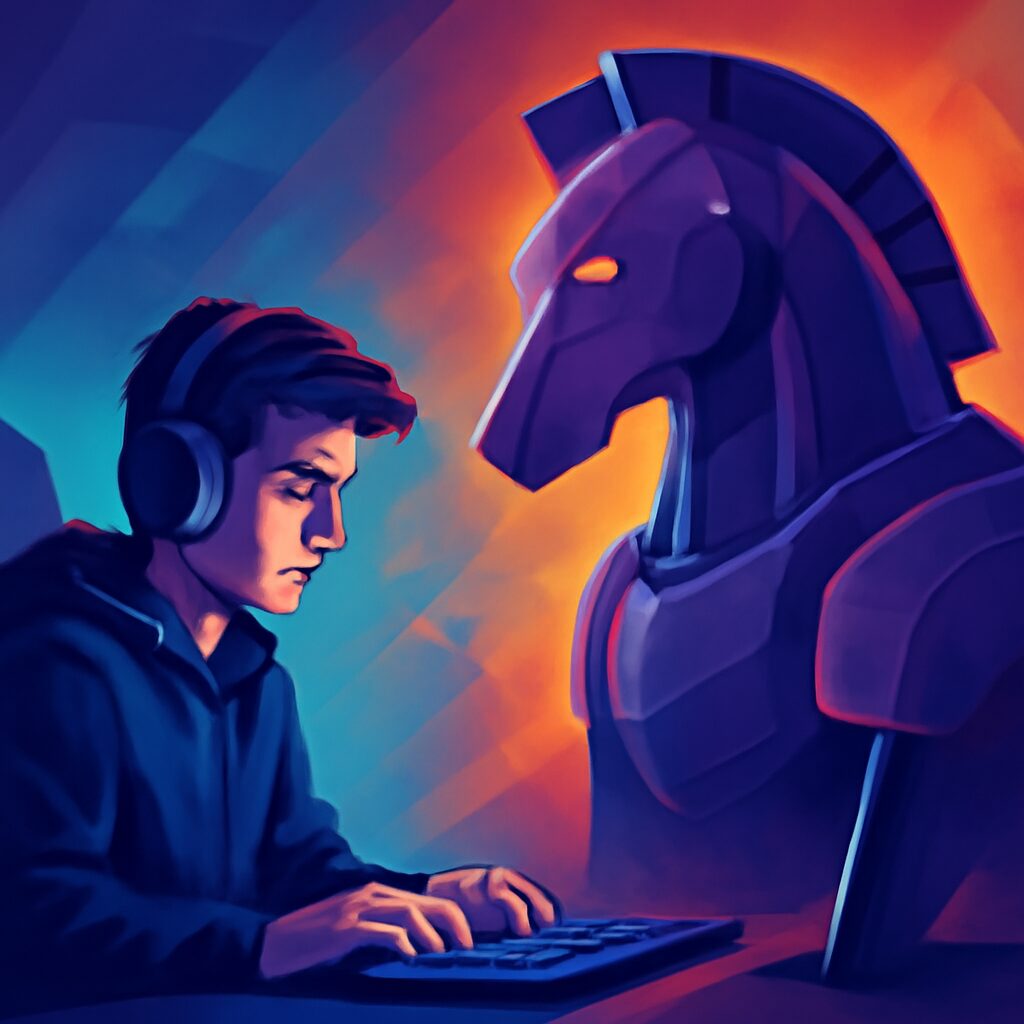
During a recent chat, Nolan didn’t mince words. He famously described AI as a “Trojan horse that everybody knows the Greeks are inside.” But he didn’t stop there. He elaborated, saying, “It’s a transparent horse. It’s made of glass. Everybody can see what’s going on inside.” It’s a powerful metaphor, suggesting that while AI might seem appealing on the surface, its underlying intentions and potential pitfalls are quite visible to those who choose to look closely.
Nolan highlighted an interesting paradox: despite AI’s rapid advancements, it’s facing significant public pushback. “I’ve never seen a technology advancing so rapidly, so completely rejected by the public,” he observed. He particularly pointed out the younger generation’s immediate skepticism, noting how they quickly label AI-generated content as “AI slop” and dismiss it. This sentiment isn’t new to the gaming community, where discussions around AI art, AI-generated voices, or even AI-assisted game development often spark heated debates.
He views this skepticism as incredibly healthy. While technology undoubtedly brings incredible gifts, Nolan believes we must approach it with a critical eye, questioning not just the tech itself but also the motives of those behind it. “That’s when we’ll get the best out of a new technology, rather than just blind faith that everything’s going to be great,” he explained. This resonates deeply, especially when considering how new tech is often rolled out in gaming, sometimes with more focus on profit than player experience.
The director’s observations aren’t just theoretical. We’ve seen real-world examples of this growing unease, like students booing speakers who mention AI at graduation ceremonies. It seems young people, who are inheriting a world increasingly shaped by AI, are less inclined to accept it blindly than some tech proponents might hope.
In a landscape where some tech leaders offer overly optimistic visions of an AI-powered utopia, Nolan’s grounded perspective is a refreshing call for caution. For Pakistani gamers navigating a world where AI is becoming more prevalent in everything from game design to content creation, his message is clear: embrace technology with open eyes, question everything, and never stop being skeptical. It’s the best way to ensure we shape the future of tech, rather than letting it shape us blindly.
As an Amazon Associate, PakGamersHub earns from qualifying purchases.