“Common Sense” or Convention Breaker? RGG Studio’s Bold Control Scheme for Stranger Than Heaven
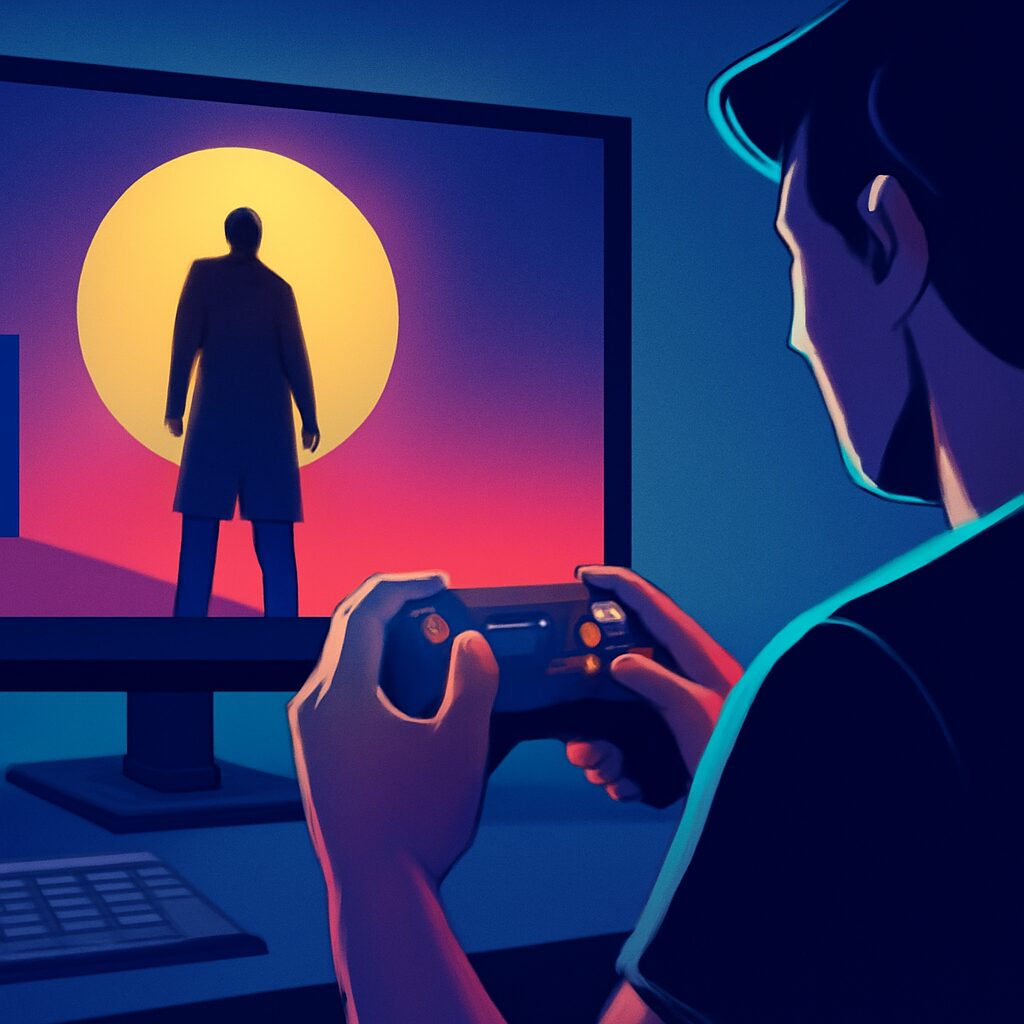
Fans of RGG Studio, the legendary developers behind the beloved Yakuza and Like a Dragon series, are used to a certain flair. Their games typically feature lightning-fast, over-the-top combat that’s as chaotic as it is satisfying. So, when news broke about their upcoming title, Stranger Than Heaven, promising a drastically different, more grounded fighting system, the gaming world definitely took notice.
This shift isn’t just about a change in combat style; it extends right down to how players will interact with the game. Stranger Than Heaven is introducing a control scheme that’s far from the industry norm, and while it’s already sparking debate among early testers, RGG Studio‘s executive director, Masayoshi Yokoyama, believes it’s simply “common sense.”
Rethinking the Controller: A Body-Map Approach
The biggest talking point for Stranger Than Heaven‘s combat lies in its unconventional button mapping. Instead of the usual light/heavy attack buttons, players will find their controller inputs directly corresponding to their character’s body. Specifically, the left side of the controller dictates actions from the left side of protagonist Makoto Daito, and vice-versa for the right.
Imagine this in action:
- A quick tap of the left bumper might unleash a rapid left jab.
- Pulling the right trigger could unleash a heavier blow from Makoto’s right arm.
It’s an intuitive idea on paper, designed to create a direct physical connection between player input and character action. Yokoyama himself champions this approach, arguing that for someone picking up a controller for the very first time, this direct mapping is the most logical way to play.
If you’ve never touched a controller before, you don’t have any pre-established notions, so I think it’s fairly common sense that if you hit the left button, you’d expect the left side of the character to move.
The Philosophy of Doubt: Questioning Gaming Conventions
Yokoyama’s “common sense” argument extends beyond just button layouts; it’s a peek into his broader philosophy of game design. He believes that true innovation comes from constantly questioning established norms and asking “why?” about every aspect of design, no matter how trivial it might seem.
He drew an interesting parallel to illustrate this point:
A slight diversion, but why are jeans blue? Nobody really thinks about this. But I think that people who ask these questions – people who doubt everything they see, and [wonder], ‘Why is this the way it is?’ – I have the conviction that those people are natural game creators.
This mindset explains why RGG Studio is willing to experiment so radically with Stranger Than Heaven. They’re not just making a new game; they’re challenging players and developers alike to reconsider what they take for granted in interactive entertainment. It’s a bold move, reminiscent of other games that dared to defy conventions, like the original Assassin’s Creed with its “puppeteering” controls that mapped face buttons to body parts, albeit with mixed long-term success.
Growing Pains and Player Progression
While some early impressions of Stranger Than Heaven‘s combat have been mixed, with some players loving the fresh challenge and others finding it a bit clunky, Yokoyama offers a compelling narrative reason for the unique system. The controls aren’t just a design choice; they’re integral to the game’s storytelling and player progression.
We want to tell the story of Daito through our combat system. When the game starts, Makoto is quite young and he’s not a great fighter – this story takes you through 50 years of his life – in the same way that when the player starts the game, they won’t be that skillful with the systems either. So we’re hoping that by playing this character throughout the ages, the player themselves will grow alongside the character.
This approach suggests that the initial awkwardness some players might experience is by design. It’s meant to mirror Makoto Daito’s own journey from an inexperienced brawler to a seasoned fighter over the course of 50 years within the game’s narrative. The learning curve isn’t a flaw; it’s a feature, designed to deepen the player’s connection to Makoto’s personal growth.
What This Means for Gamers
Stranger Than Heaven is shaping up to be a fascinating title, not just for its premise but for its daring design philosophy. RGG Studio is known for delivering unforgettable experiences, and their willingness to push boundaries with a launch slated for January means we’re in for something truly different. Whether this “common sense” approach becomes a new standard or remains a unique experiment, it’s clear that Stranger Than Heaven aims to make players think, adapt, and grow alongside its compelling protagonist.
As an Amazon Associate, PakGamersHub earns from qualifying purchases.