Cybersecurity Alert: New Tactics from China-linked Hackers Target NGOs
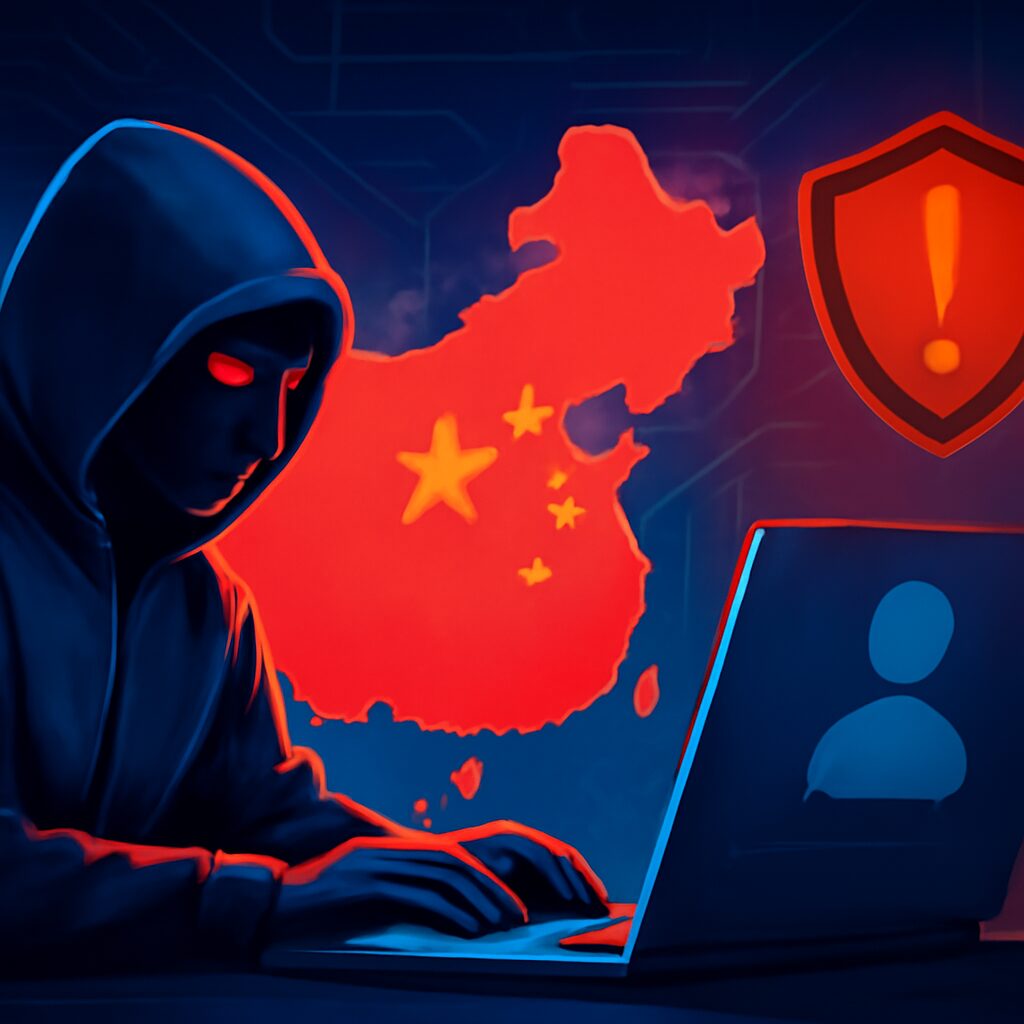
In a concerning turn of events, a group of hackers with ties to China has been making waves in the cybersecurity landscape by targeting non-governmental organizations (NGOs). This malicious campaign has been dubbed UTA0560 by the security experts at Volexity, who have been tracking the developments closely.
The attackers have been utilizing a combination of software vulnerabilities to launch their assaults, marking a troubling trend in their methods. On September 1, 2026, these hackers set their sights on various NGOs, deploying a JavaScript backdoor known as GRIMWEDGE as their primary tool for infiltration.
The Attack Strategy
To begin their operations, the hackers crafted spear-phishing emails, which are targeted communications designed to trick recipients into revealing sensitive information or downloading malicious software. These emails were tailored to appear credible, increasing the chances that unsuspecting users would fall into their trap.
By exploiting a so-called “patch gap” in Google Chrome, the attackers were able to take advantage of unaddressed software flaws. This gap allowed them to infiltrate systems more easily, highlighting the importance of timely software updates for all users.
Key Highlights of the UTA0560 Campaign
- Targeted Entities: Various non-governmental organizations working in sensitive areas.
- Methodology: Utilization of spear-phishing emails to initiate attacks.
- Backdoor Used: The JavaScript-based GRIMWEDGE for system infiltration.
- Attack Date: Initiated on September 1, 2026.
- Exploited Vulnerabilities: Multiple software flaws, specifically within Google Chrome.
Implications for NGOs
This upsurge in cyber threats poses significant risks for NGOs, many of which handle sensitive information and rely heavily on digital communication. The sophistication of the attack means that even well-established organizations could find themselves vulnerable if they do not implement robust cybersecurity measures.
Furthermore, the targeting of NGOs indicates a strategic shift by these hackers, possibly aiming to disrupt humanitarian efforts or steal valuable data. This can have dire consequences not only for the organizations themselves but also for the communities they serve.
Staying Safe from Cyber Threats
For those involved with NGOs or any other organizations, it is crucial to remain vigilant. Here are some best practices to enhance cybersecurity:
- Regularly update software and security patches.
- Implement strong phishing detection training for staff.
- Utilize multi-factor authentication wherever possible.
- Conduct regular security audits and penetration testing.
- Monitor systems for unusual activity to catch threats early.
This development serves as a stark reminder of the evolving nature of cyber threats and the need for organizations to adapt quickly. For gamers and tech enthusiasts in Pakistan, this is an important issue, as the growing sophistication of cybercrime affects everyone in the digital landscape. It’s a call to action for all of us to prioritize our cybersecurity practices and stay informed about potential threats.
As an Amazon Associate, PakGamersHub earns from qualifying purchases.