Data Security Alert: Why Govt Data Transfer to a UAE Firm Has Pakistani Gamers Concerned
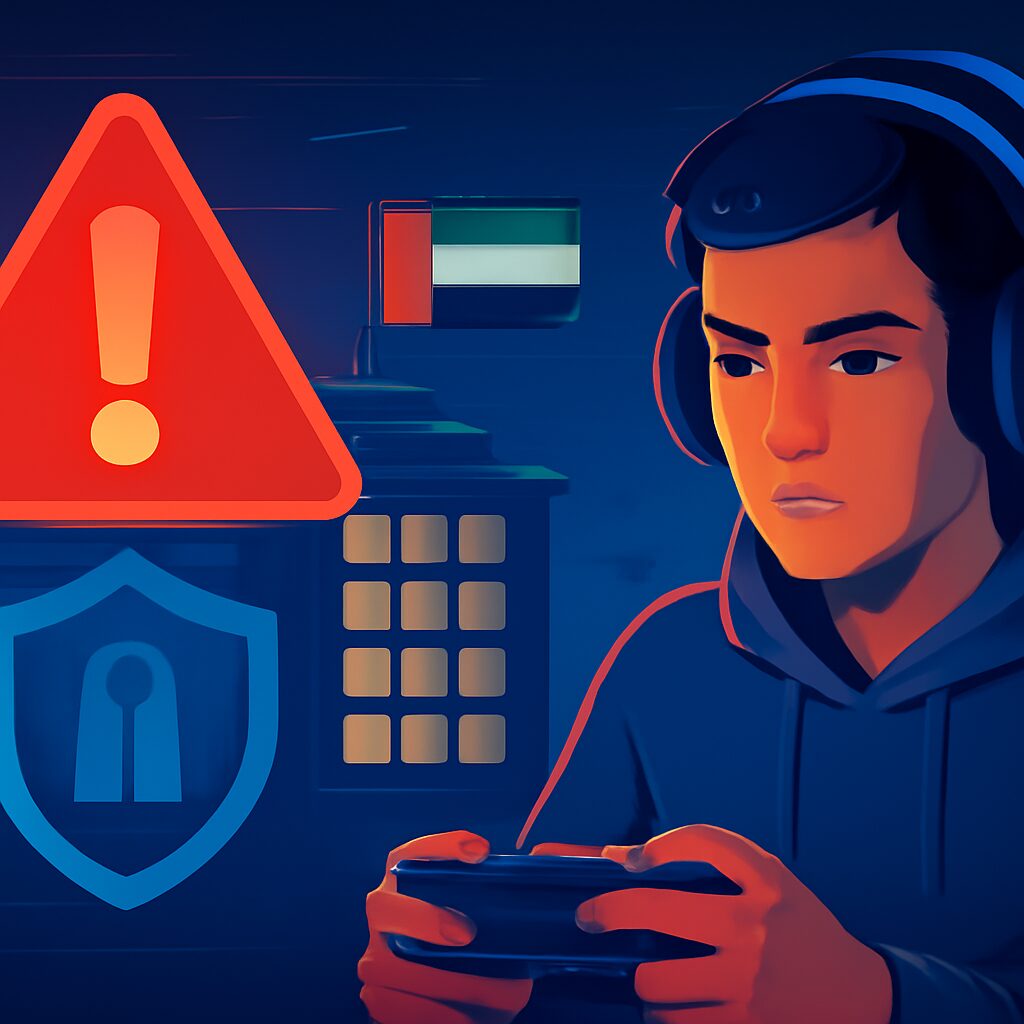
Hey PakGamersHub family! While we’re usually busy talking about the latest game releases, esports tournaments, or internet ping woes, sometimes a bigger story breaks that affects our digital lives in a much more fundamental way. This week, serious questions are being asked in Pakistan’s Senate about the security of government data, and it’s something every online citizen, especially gamers, should pay attention to.
Imagine your game saves, your online profiles, or even your internet connection being compromised. Now imagine that on a national scale. That’s the kind of concern that’s been sparked by recent revelations regarding the transfer of sensitive government data to a foreign company. Let’s dive into what happened and why it’s a big deal for all of us.
The Core Controversy: What Happened?
The spotlight is currently on Pak Datacom, a Pakistani telecommunications company. They’ve come under scrutiny from the Senate Standing Committee on IT and Telecom for reportedly transferring data belonging to various government entities to a satellite firm based in the United Arab Emirates (UAE). This isn’t just about sharing a few files; we’re talking about potentially sensitive national information being hosted outside Pakistan’s borders.
The central issue here, according to the Senate Committee, revolves around security. When critical data leaves the country, especially to a foreign entity, it immediately raises red flags. The committee members were particularly concerned about whether Pak Datacom had obtained all the necessary approvals and followed proper protocols before making such a significant move. This isn’t just a technical glitch; it’s a matter of national data sovereignty and security.
Why This Matters to Every Pakistani Gamer
You might be thinking, “What does government data have to do with my online gaming?” The connection is more direct than you might think! As gamers, we rely heavily on a secure and robust digital infrastructure. Here’s why this situation should concern you:
- Overall Internet Security: If the foundational layers of government data security are questioned, it casts a shadow over the entire digital landscape of the country. A strong national cybersecurity posture benefits everyone, including those of us who spend hours online.
- Data Privacy Awareness: This incident is a stark reminder about data privacy. We share personal information with gaming platforms, online stores, and various services. If government data can be transferred abroad without clear permissions, it prompts us to think about where our *own* data is stored and how securely it’s being handled.
- National Stability and Infrastructure: Cybersecurity incidents can have far-reaching effects on a country’s stability and infrastructure. A secure digital environment is crucial for economic growth, which in turn impacts everything from job opportunities in tech to the affordability and availability of gaming hardware and services.
- Precedent for Future Regulations: The outcome of this investigation could lead to stricter data localization laws or clearer regulations regarding data transfer for all entities in Pakistan. While this could mean better protection, it might also affect how international gaming services operate here – though hopefully for the better in the long run.
In essence, a nation’s digital security is like a giant firewall for everyone connected. Any crack in that firewall, especially at a government level, potentially exposes everyone downstream.
The Permission Predicament: Unanswered Questions
At the heart of the Senate Committee’s inquiry is the question of “necessary permissions.” For data of national importance, there are usually stringent rules and protocols that must be followed before it can be transferred, especially across international borders. These protocols are designed to protect against espionage, data breaches, and unauthorized access.
The General Manager of Pak Datacom faced tough questions from the committee. They wanted to know if the Ministry of IT and Telecom, the Cabinet Division, or other relevant authorities had given their explicit consent. The lack of a clear, immediate answer to this question is precisely what has fueled the concerns. It suggests a potential lapse in due diligence or, worse, an unauthorized transfer of sensitive information.
This highlights a critical need for transparency and accountability in how data is managed at all levels. Without clear guidelines and strict adherence to them, the digital assets of Pakistan remain vulnerable.
The Road Ahead: What’s Next for Data Security in Pakistan?
The Senate Standing Committee on IT and Telecom is not letting this issue rest. They are actively pursuing answers and demanding clarity from Pak Datacom and other relevant government departments. This investigation is crucial for setting a precedent and ensuring such incidents don’t recur.
We can expect to see a renewed focus on several areas:
- Stricter Oversight: Regulatory bodies might implement more rigorous checks and balances for data handling by government contractors and public sector organizations.
- Policy Review: Existing policies on data localization and international data transfer will likely be reviewed and potentially updated to close any loopholes.
- Increased Accountability: Individuals and organizations found to be in violation of data security protocols could face significant consequences.
For Pakistani gamers, this broader push for enhanced digital security, even if initially spurred by a government data issue, could ultimately lead to a more secure and reliable online environment for everyone. It’s a reminder that our digital world is complex, interconnected, and constantly evolving, making vigilance about data security more important than ever.
As an Amazon Associate, PakGamersHub earns from qualifying purchases.