Exploring the Intricacies of Colony Sim Games: From Dwarves to AI
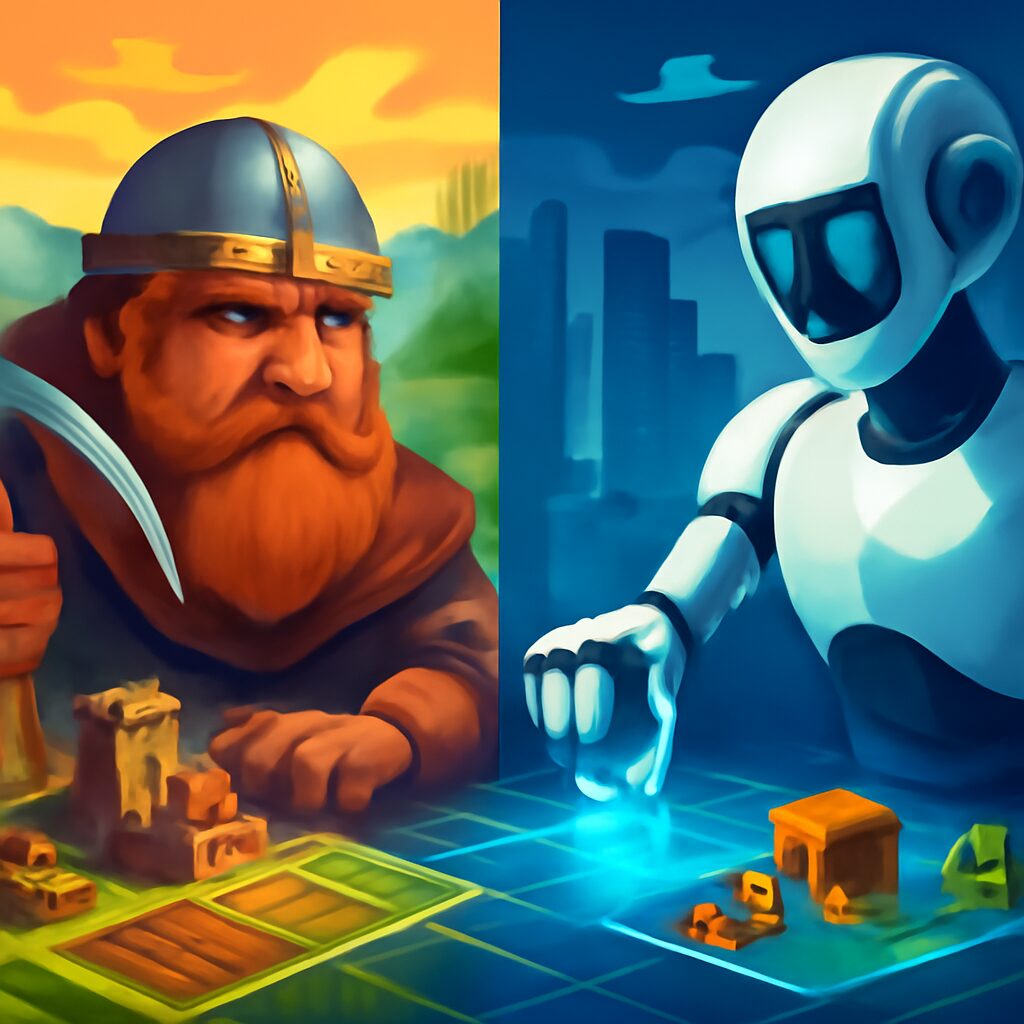
When it comes to gaming genres, colony simulators are in a league of their own. Almost exclusive to the PC gaming world, these games challenge players to create and manage thriving habitats filled with various AI characters, ranging from mythical dwarves to mischievous demons. While players shape the environment by building structures and providing resources, they don’t directly control the inhabitants. Instead, the characters interact with their surroundings and each other through intricate AI systems that reflect their needs and desires. This unique gameplay leads to unexpected plot twists, like dwarves digging too deep and unleashing a monster invasion or a chaotic prison riot sparked by poor planning.
The charm of colony sims lies in the distinct personalities of their AI characters, setting them apart from other strategy games. Tarn Adams, co-creator of the iconic Dwarf Fortress, remarks that players tend to observe these named non-player characters (NPCs) much more closely than they would in traditional RPGs. This allows players to form connections with the characters and witness how they react to various challenges, both from the game and the player.
However, creating these simulations isn’t a walk in the park. Since Bullfrog’s Dungeon Keeper popularized the genre with its quirky demon personalities, only a handful of games have successfully followed suit. Recently, though, we’ve seen an exciting revival thanks to passionate indie developers.
Leading this resurgence is Dwarf Fortress, a project by Bay12 Games that has been in development for over 20 years. The goal? To design and maintain a colony of dwarves while simulating vast fantasy worlds, including everything from terrain to individual character histories. The depth of the simulation is astounding, with even the addition of procedurally generated poetry, a result of the developers continually expanding their vision.
As Adams points out, the game started with a focus on taverns, allowing dwarves to play instruments, which spiraled into creating procedural music and even poetry. This depth enhances the range of unique scenarios players can experience, but it also raises questions about player control. Balancing player influence with the autonomy of the dwarves is a key design challenge. Players can issue commands, but the dwarves have their own minds and may choose to ignore orders in certain situations.
In contrast, RimWorld by Ludeon Studios offers a more accessible take on the colony sim genre. It uses storytelling as the core of its design, which is a departure from the procedural generation approach of Dwarf Fortress. Tynan Sylvester, the game’s lead developer, emphasizes the importance of narrative in shaping player experiences. The game features an AI Storyteller that monitors game dynamics and generates events based on player progress, ensuring a balanced and engaging challenge.
While the AI adds complexity, RimWorld also manages a variety of interacting systems, from crafting to weather effects, making it a rich yet manageable experience. Sylvester notes that one of the biggest hurdles in designing these games is avoiding overwhelming players with excessive complexity. His approach involves making certain mechanics optional and implementing them gradually, allowing players to get accustomed to the game at their own pace.
Another notable title, Maia, takes cues from Dungeon Keeper but features a deep simulation of its alien world, particularly regarding its human colonists. Simon Roth, Maia’s creator, faces the challenge of effectively communicating the intricate needs of colonists, which can number up to 50. To tackle this, players receive both direct and indirect updates about the colonists’ emotional states, using a combination of animations and in-game emails, allowing colonists to voice their concerns and suggestions.
Despite being nearly three decades old, the colony sim genre continues to evolve. The latest wave of games has pushed boundaries in terms of depth and interaction. However, one key takeaway remains: the richness of a game’s details is only appreciated if players can easily engage with them. Ultimately, the storytelling aspect of colony sims is crucial, as it’s not just about the mechanics but how compelling the experiences are for players.
As an Amazon Associate, PakGamersHub earns from qualifying purchases.