Future Unlocked: Punjab Schools Embrace AI, Coding, and QR Lessons!
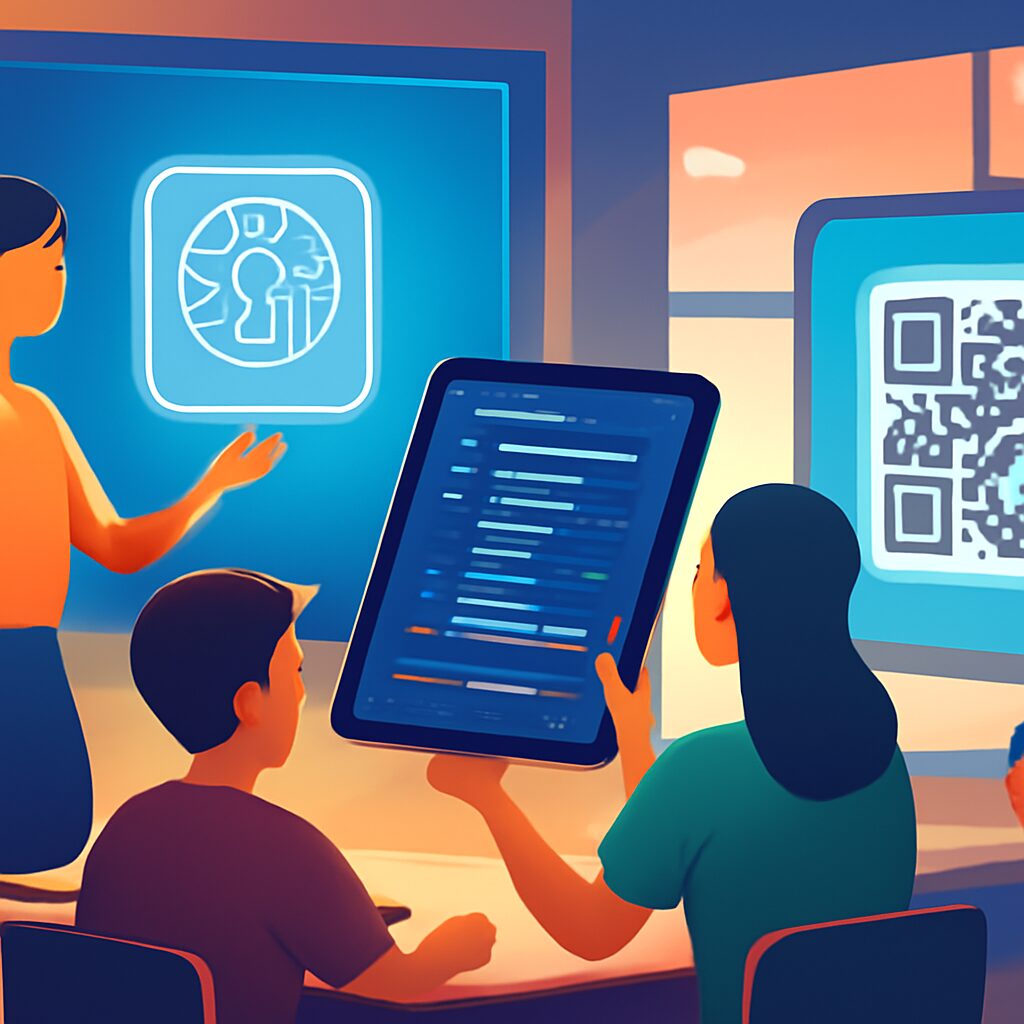
Big news for anyone with younger siblings, kids, or just an interest in the future of Pakistan! Punjab is gearing up for a massive educational shift that sounds like something straight out of a sci-fi game. We’re talking about a brand-new curriculum for government schools that’s set to significantly lighten the textbook load while pumping in a serious dose of modern tech, including Artificial Intelligence and interactive QR code lessons.
This isn’t just a minor update; it’s a complete level-up for the education system, aiming to equip students with skills for the 21st century. Imagine classrooms where learning isn’t just about heavy books but about engaging with digital content, coding, and even robotics. It’s an exciting time, and this reform is poised to change how a whole generation learns and interacts with the world.
The Big Curriculum Overhaul: Lighter Bags, Smarter Minds
The core of this reform, approved by Chief Minister Maryam Nawaz Sharif, is a strategic move to modernize education. One of the most talked-about changes is the 25 percent reduction in textbook weight. Anyone who’s ever lugged around a school bag knows what a relief this will be for students!
But it’s not just about lighter bags; it’s about smarter learning. The curriculum is designed to reduce rote memorization and encourage critical thinking. This is where technology steps in, replacing some of the dense text with engaging, interactive content delivered through modern means.
What’s New Under the Hood? AI, Coding, and Beyond!
The real game-changer here is the integration of cutting-edge technology into daily learning. We’re talking about a curriculum that’s been designed with the future in mind, incorporating skills that are highly relevant in today’s rapidly evolving digital landscape. Here’s a peek at what students will be diving into:
- Artificial Intelligence (AI) and Robotics: Moving beyond basic computer literacy, students will get foundational exposure to AI concepts and even robotics. This is huge for fostering innovation and preparing them for tech-driven careers.
- Coding: A skill that’s becoming as fundamental as reading and writing. Learning to code opens up a world of possibilities, from game development to software engineering, right from an early age.
- QR Video Lessons: Textbooks will feature QR codes that students can scan to access supplementary video lessons and interactive content, making learning dynamic and engaging.
- Critical Thinking: The curriculum emphasizes problem-solving and analytical skills, encouraging students to think deeply rather than just memorize facts.
- Global Citizenship and Digital Literacy: Preparing students to be responsible global citizens in a digital world, understanding online ethics, safety, and communication.
This ambitious rollout is set to begin with new books hitting the shelves from August 2024, initially targeting students from Pre-primary to Grade 8. The plan doesn’t stop there; a similar revision for Grades 9-12 is also in the pipeline.
The Tech-Powered Classroom: A Glimpse into the Future
Imagine a classroom where textbooks aren’t just static pages but gateways to a universe of digital content. The QR video lessons are a brilliant example of this, transforming passive reading into active engagement. Students can scan a code and instantly watch an explanatory video, see a demonstration, or even interact with a virtual simulation. This kind of blended learning approach keeps students hooked and caters to different learning styles.
This initiative also aligns with the broader vision of establishing “smart schools” across Punjab, where technology isn’t just an add-on but an integral part of the learning environment. The goal is clear: to equip the next generation with the tools and mindset needed to thrive in a technologically advanced world, making them innovators, problem-solvers, and digital natives.
The Brains Behind the Change and What it Means
This monumental reform is the result of extensive planning and collaboration. The decision was made at a special education reforms meeting chaired by Chief Minister Maryam Nawaz Sharif. The Punjab Curriculum and Textbook Authority (PCTB) has been at the forefront of this effort, working tirelessly to craft a curriculum that meets international standards.
The PCTB also collaborated with international experts and institutions, including renowned names like Cambridge and Oxford, to ensure the new curriculum is robust and globally competitive. A crucial component of this reform is also the continuous training for teachers, ensuring they are well-equipped to teach these new, technology-rich subjects effectively.
For gamers and the tech-savvy community in Pakistan, this is incredibly exciting. It means a future generation with strong foundations in coding, AI, and critical thinking – skills that are directly transferable to fields like game development, software engineering, and digital innovation. This educational leap could truly unlock Pakistan’s potential in the global tech arena, fostering a new wave of talent right from our schools.