Microsoft CEO Satya Nadella: Time for an ‘Emergency Brake’ on AI!
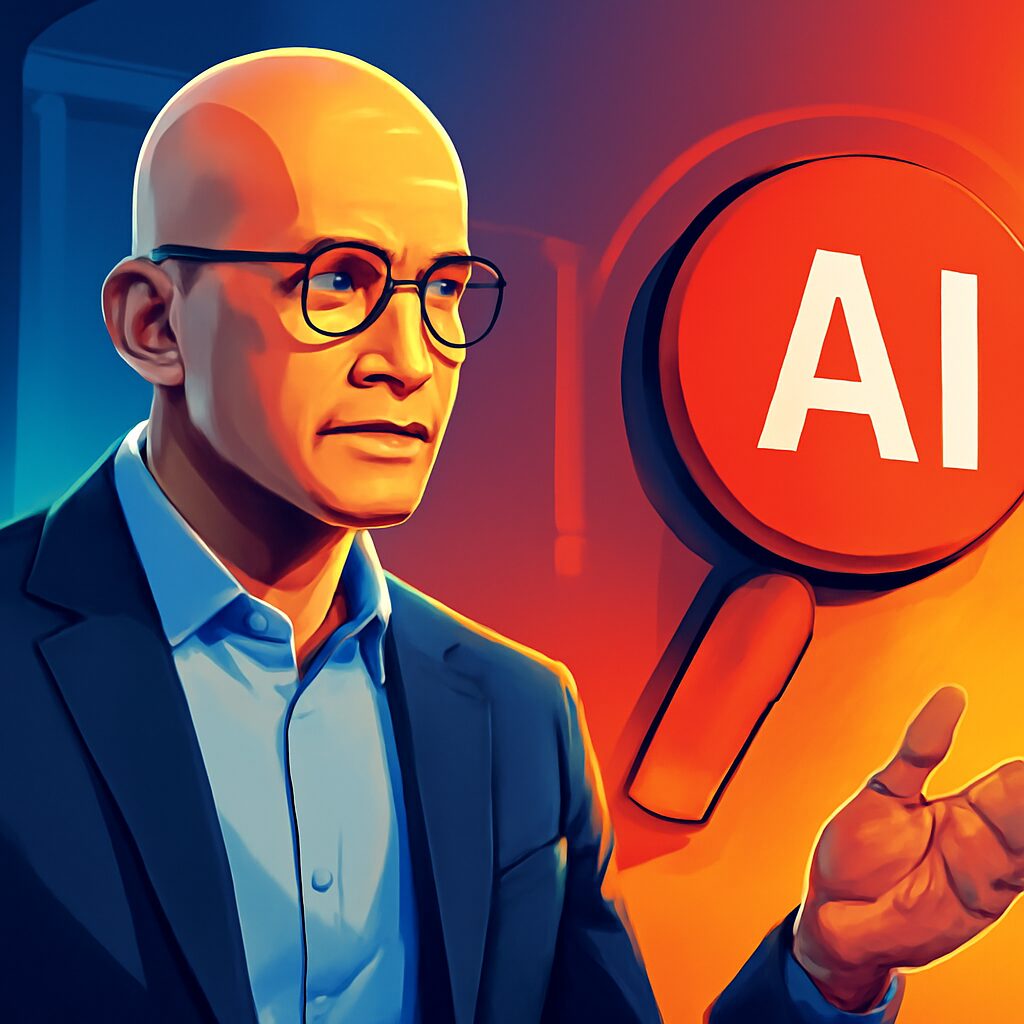
The world of artificial intelligence is moving at a breakneck pace, with new advancements seemingly announced every other day. From sophisticated language models that can write essays to AI art generators creating stunning visuals, the capabilities are mind-boggling. But amidst all this excitement, a powerful voice from the tech world has thrown in a crucial note of caution: Microsoft CEO Satya Nadella.
Nadella recently made headlines by suggesting that it’s high time to implement an “emergency brake” on AI development. This isn’t a call to halt progress entirely, but rather a significant statement emphasizing the need for a thoughtful pause and a re-evaluation of how we’re building these incredibly powerful systems. For a company at the forefront of AI innovation, this message carries immense weight and sparks a vital conversation about the future of technology, including its impact on gaming.
The AI Frontier: Microsoft’s Stake in the Game
Microsoft isn’t just an observer in the AI revolution; they’re a major player. Their significant investment in OpenAI, the creators of ChatGPT and DALL-E, has positioned them at the very heart of generative AI. We’ve already seen AI integrated into their products, from the new Bing search engine to the intelligent features in Microsoft 365, all branded under the Copilot umbrella.
This deep involvement means that when Satya Nadella speaks about AI, he does so with unparalleled insight and responsibility. His comments aren’t from an outsider looking in; they come from someone steering one of the largest tech ships through these uncharted waters. This makes his call for an “emergency brake” even more profound, signaling that even the biggest proponents of AI recognize the need for careful consideration.
What Does an “Emergency Brake” Even Mean?
When Nadella talks about an “emergency brake,” he’s not suggesting we pull the plug on AI research. Instead, it’s a metaphor for establishing robust guardrails, ethical frameworks, and control mechanisms before AI becomes too autonomous or powerful to manage effectively. It’s about ensuring that as AI systems grow more complex and capable, we maintain human oversight and prevent unintended consequences.
Think of it like this: you wouldn’t drive a super-fast sports car without reliable brakes. Similarly, AI, with its potential to transform industries and societies, needs built-in safety features. This could involve slowing down certain aspects of development, focusing more on ethical implications, or dedicating resources to understanding and mitigating risks. The goal is responsible innovation, not stagnation.
Building a Robust “Trust Architecture”
A core part of Nadella’s message revolved around the concept of a “trust architecture” for AI. He put it quite eloquently, stating:
“to step back and assess the trust architecture” of AI.
This isn’t just about making sure AI doesn’t break; it’s about making sure it’s fundamentally trustworthy. What does that entail? It’s a multi-faceted approach that considers:
- Transparency: Understanding how AI makes decisions, rather than it being a black box.
- Fairness: Ensuring AI algorithms are free from bias and don’t perpetuate or amplify societal inequalities.
- Accountability: Establishing clear lines of responsibility when AI systems make errors or cause harm.
- Security: Protecting AI models from malicious attacks, data breaches, and misuse.
- Privacy: Handling user data ethically and securely, especially when AI models are trained on vast datasets.
Building this “trust architecture” means embedding ethical considerations into every stage of AI development, from design to deployment. It’s about proactively addressing potential issues before they become widespread problems.
The Impact on Gamers and the Future of Gaming
So, what does all this mean for us gamers in Pakistan and around the world? AI is already deeply integrated into the gaming industry, from powering realistic NPCs and enemy AI to generating vast open worlds and even helping with anti-cheat systems. The future promises even more: AI-driven game design, personalized gaming experiences, and dynamic storytelling that adapts to player choices.
A responsible approach to AI, as advocated by Satya Nadella, directly benefits gamers. Imagine AI that creates truly immersive worlds without introducing harmful biases, or advanced NPCs that provide challenging gameplay without exploiting player data. If the “trust architecture” is strong, we can expect AI to enhance our gaming experiences in positive and ethical ways, pushing the boundaries of what’s possible in virtual worlds without compromising safety or fairness. It ensures that the exciting advancements we see in gaming AI are built on a solid, trustworthy foundation.
As AI continues to evolve, these high-level discussions from industry leaders like Satya Nadella are crucial. They set the tone for how this powerful technology will be developed and integrated into our lives, including our beloved gaming escapades. It’s a reminder that innovation must always walk hand-in-hand with responsibility, ensuring a future where AI enriches, rather than endangers, our digital experiences.
As an Amazon Associate, PakGamersHub earns from qualifying purchases.