Next-Gen Companions: How Gene Editing Could Revolutionize Military Dogs
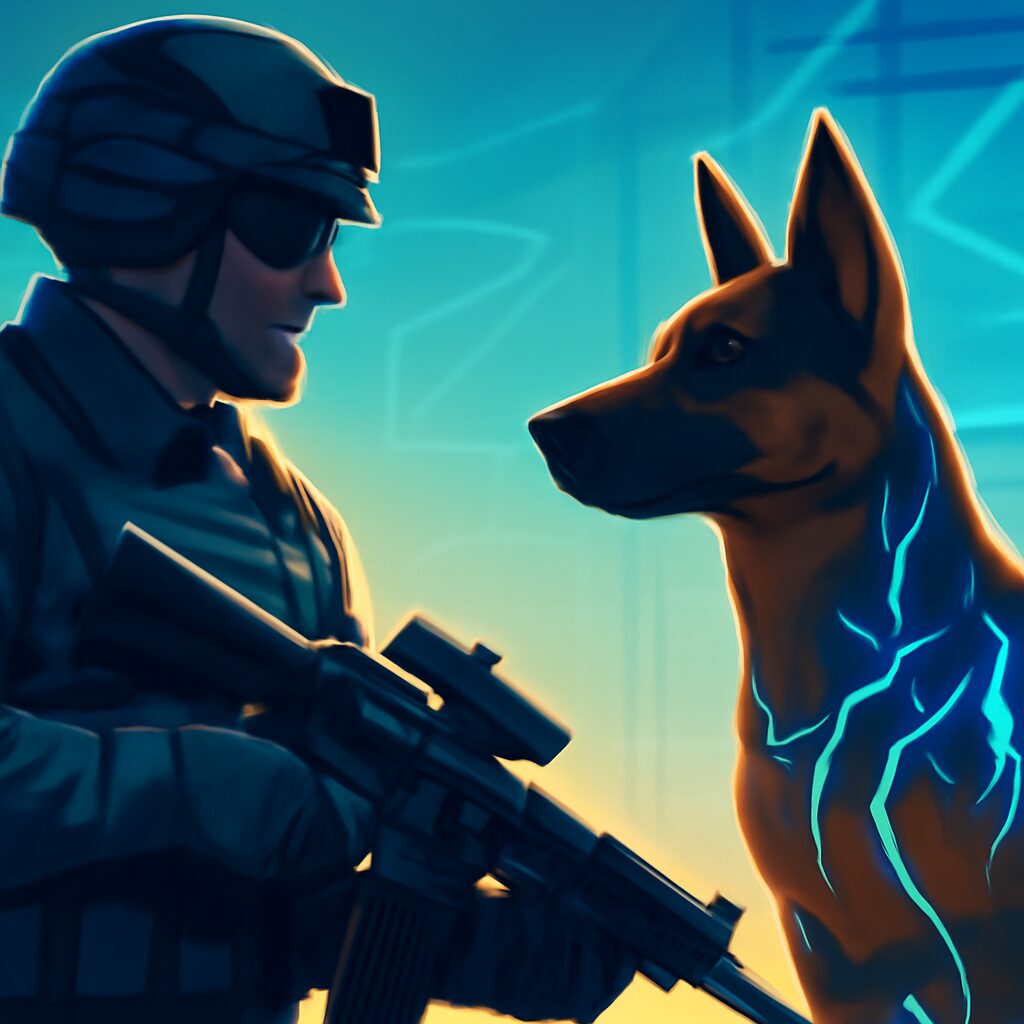
In the world of gaming, we often encounter highly specialized units, advanced technology, and companions designed for peak performance. But what if that level of precision engineering was applied to real-world heroes? We’re talking about the incredible working dogs that serve alongside soldiers, sniffing out danger and saving lives.
These loyal four-legged partners are invaluable, yet their supply and training come with significant challenges. Now, a groundbreaking initiative is looking to leapfrog these hurdles by venturing into the realm of gene editing – a move that sounds straight out of a futuristic video game.
The Indispensable Role of K9 Heroes
From the arid deserts to dense urban environments, military working dogs, often known as K9s, are the unsung heroes of countless operations. They possess senses far superior to humans, making them indispensable for tasks like detecting explosives, tracking adversaries, and conducting search and rescue missions. Their bravery, intelligence, and unwavering loyalty make them crucial assets, often operating in high-stakes situations where human lives depend on their acute abilities.
However, maintaining a robust force of these elite canine operatives is no easy feat. The global demand is high, and the journey from puppy to fully operational military dog is long, expensive, and often ends in disappointment. The vast majority of these specialized dogs are sourced from European breeders, highlighting a significant reliance on external suppliers. More critically, less than half of the dogs that begin the rigorous training program actually make the cut, leading to substantial resource drain and a constant struggle to meet the demand for these crucial partners.
Warhound: A Game-Changing Approach
Enter Warhound, a Texas-based startup with a bold vision and some serious financial backing. This company has recently secured a staggering $200 (approx. Rs 55,600) million in funding to tackle the military’s K9 supply problem head-on. Their proposed solution isn’t about better breeding programs or more intensive training methods alone; it’s about a fundamental shift in how these dogs are developed, leveraging cutting-edge biotechnology: gene editing.
Gene editing involves precisely altering an organism’s DNA to introduce, remove, or modify specific traits. In the context of military dogs, this could mean engineering canines with an inherent predisposition for the qualities most desired in a working animal. Imagine dogs born with enhanced olfactory senses, superior endurance, heightened focus, or a natural resilience to stress – traits that would drastically improve their success rate in training and on the field.
The Promise of Engineered Companions
The implications of this technology are vast. By using gene editing, Warhound aims to create a more reliable and efficient pipeline for military dogs. This could mean:
- Increased Training Success: Dogs could be pre-selected or even bred with genetic markers that correlate with higher trainability and aptitude for specific tasks, dramatically reducing the washout rate.
- Tailored Abilities: Future K9s might possess genetically enhanced senses for detecting particular substances, or physical attributes that make them better suited for extreme environments.
- Reduced Dependency: Developing a domestic supply of elite military dogs would lessen the reliance on international breeders, strengthening national security and control over the K9 program.
- Faster Deployment: With a higher success rate in training, the time it takes to get these vital companions into the field could be significantly shortened.
While the ethical considerations around gene editing are always a part of the conversation, the focus here is on improving the capabilities of animals that perform critical, life-saving work, potentially making them more effective and reducing the risks they face.
From Lab to the Gaming World?
For us gamers, this kind of technological advancement immediately sparks the imagination. We’ve seen genetically modified creatures and highly specialized animal companions in countless titles, from the faithful Dogmeat in Fallout to the stealthy D-Dog in Metal Gear Solid V, and even combat-ready hounds in various military shooters like Call of Duty.
This real-world development could inspire future game developers to incorporate even more realistic and nuanced portrayals of advanced animal companions. Imagine a military simulation where your K9 unit isn’t just a generic asset, but a specialized, genetically optimized partner with unique traits that influence gameplay. Or a sci-fi RPG where you can customize your companion’s genetic makeup for specific missions. The line between science fiction and reality continues to blur, offering exciting new possibilities for interactive storytelling and gameplay mechanics.
This initiative represents a significant step forward in how we approach the capabilities of working animals. For gamers in Pakistan, it’s a fascinating glimpse into a future where technology, biology, and even military strategy are evolving in ways that could easily be the premise of our next favorite game.
Note: PKR figures are approximate, based on a rate of Rs 278.00 per USD. Exchange rates fluctuate — please check the latest dollar rate for exact pricing.
As an Amazon Associate, PakGamersHub earns from qualifying purchases.