OpenAI CEO’s Controversial RAM Comments Spark Outrage Among PC Gamers
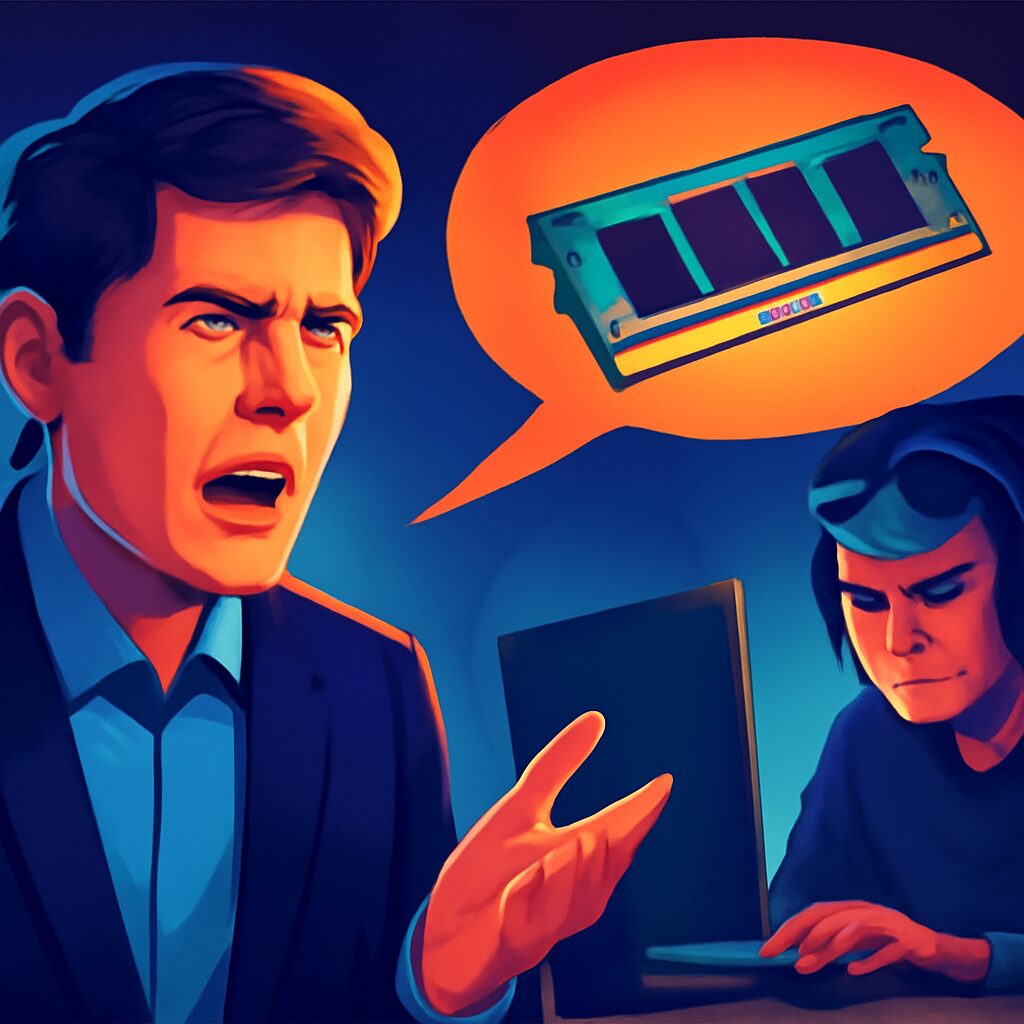
A recent interview with OpenAI CEO Sam Altman has sent ripples of frustration through the PC gaming community, after his comments appeared to suggest that the memory in our beloved gaming rigs is essentially a wasted resource. In a time when hardware shortages and rising prices are already a major concern for players worldwide, these remarks have understandably touched a raw nerve.
Altman’s statements, made during a discussion about global resource allocation, have ignited a passionate debate about how tech industry leaders view consumer hardware, and perhaps more importantly, who is truly responsible for the current crunch in essential components like RAM.
The CEO’s Controversial Take on RAM Allocation
The tech world, and especially gamers, paid close attention when Sam Altman voiced a rather pointed opinion on the existence of RAM in personal computers. He described it as “quite terrible” that so much of the world’s limited DRAM supply sits in individual machines, suggesting it’s primarily used for only a fraction of the time.
From a global allocation perspective, actually, it’s quite terrible to have everybody, like, have a bunch of the world’s limited supply of DRAMs sitting in their own computer and being used 5% of the time. Like, you want maximum utilization in a cloud if you’re trying to deal with a very supply-constrained environment.
Altman’s argument centers on the idea of maximizing utilization, particularly in a supply-constrained environment, advocating for more resources to be channeled towards data centers for training AI models. This perspective, while perhaps logically sound from a purely industrial efficiency standpoint, completely misses the mark for anyone who actively uses a PC, let alone a dedicated gaming setup.
Are Gamers Really the Problem?
The notion that RAM in a gaming PC is only utilized “5% of the time” has left many gamers scratching their heads, or more likely, outright fuming. For anyone who has invested significantly in a high-performance gaming rig, the idea that their crucial components are sitting idle is simply absurd. Every time you fire up a graphically intensive title, jump into a competitive online match, or even just multitask with a browser, Discord, and a game running simultaneously, your RAM is working hard.
Building a PC without memory isn’t just inefficient; it’s impossible. RAM is fundamental to every operation your computer performs, from booting up to loading textures, managing game assets, and running applications. While Altman might have been thinking of inactive or older computers, his sweeping generalization fundamentally misunderstands how active users, particularly gamers, push their systems to the limit daily.
The True Culprit: AI’s Insatiable Demand
If gamers aren’t the ones ‘wasting’ RAM, then what’s truly driving the global shortage that’s impacting hardware prices? The answer, ironically, lies largely with the very industry Altman represents: artificial intelligence. The relentless development of AI models and the construction of massive data centers require an astronomical amount of computing power and, crucially, an unprecedented volume of high-bandwidth memory (HBM) and DRAM.
Consider these staggering figures:
- One of the world’s largest RAM manufacturers, Samsung, reportedly signed a deal to supply Altman’s OpenAI with an incredible 900,000 DRAM/HBM wafers per month.
- This single deal alone accounts for approximately 40% of the entire world’s RAM manufacturing output.
- And OpenAI is just one player. Other tech giants like Anthropic, Google, Meta, and XAI are all building their own colossal AI infrastructures, each demanding immense quantities of memory.
This explosive demand from the AI sector is the primary force behind the current global RAM and storage crunch, making it challenging and expensive for consumers to upgrade or build new PCs.
Feeling the Pinch: Impact on Your Gaming Hardware
The consequences of this AI-driven demand are very real for gamers and PC enthusiasts. Hardware prices have surged across the board, making upgrades a significant financial hurdle. Gamers are often forced to settle for less RAM than they originally planned, simply due to budget constraints, even though they intend to put every gigabyte to good use.
Adding insult to injury, this supply squeeze is happening even as overall PC hardware shipments saw a notable decline, dropping by 20.1% in Q3 2026. This contradicts any suggestion that consumers are buying up all the available memory. The specialized VRAM, essential for the latest graphics cards, has become particularly expensive. This has even led to speculation about whether new generations of GPUs from major manufacturers will launch as planned in 2027, or if existing card prices will continue their upward trajectory. Some manufacturers are even securing pricing agreements until as far out as 2030, indicating a long-term impact.
Ultimately, Altman’s comments feel profoundly out of touch with the reality on the ground for gamers and everyday PC users. While AI development is certainly a significant technological frontier, the current global RAM shortage is largely a consequence of its immense resource demands, not the diligent use of memory in our personal gaming systems. As gamers, we’re simply trying to enjoy our passion, and we’re bearing the brunt of a broader industry shift.