Pool of Radiance: Ruins of Myth Drannor Rises From the Ashes, Now Actually Playable!
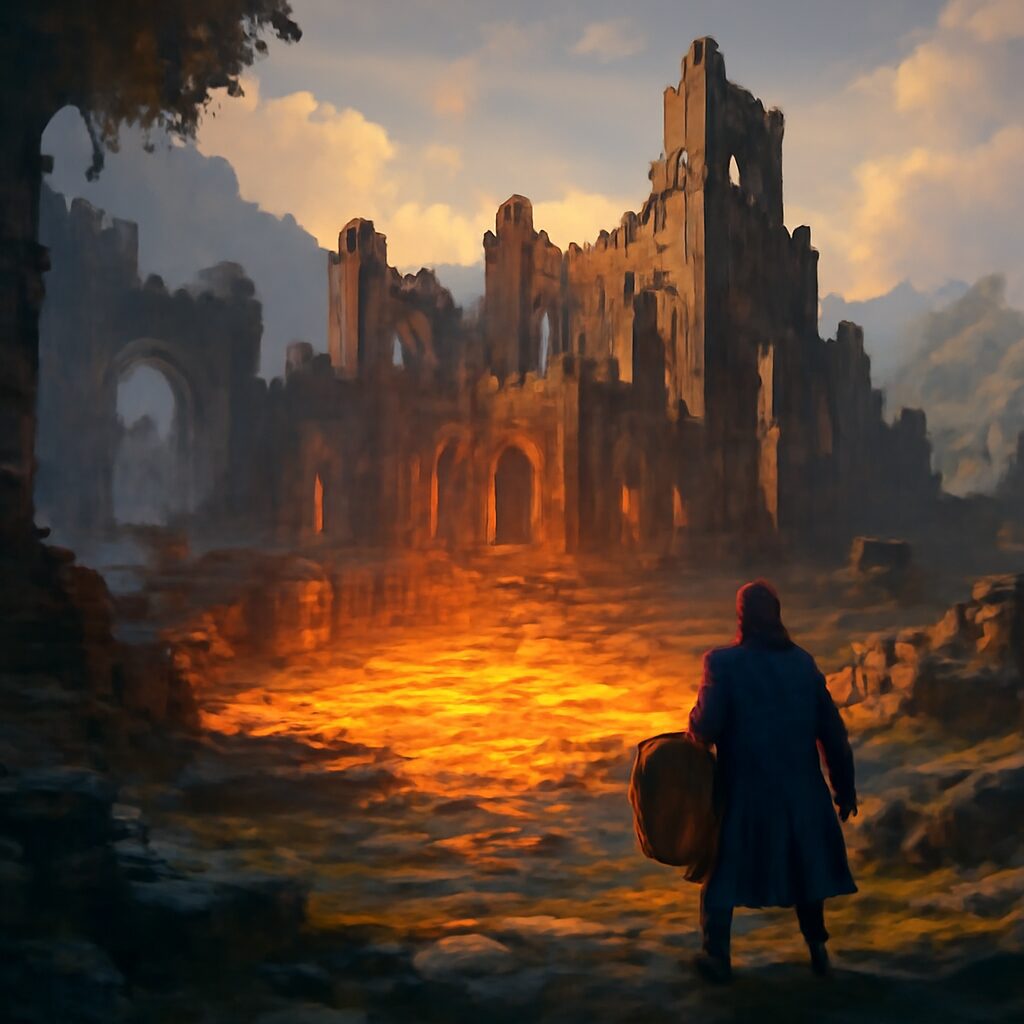
For two decades, the name Pool of Radiance: Ruins of Myth Drannor has been whispered in the hallowed halls of PC gaming, not with reverence, but with a shudder. It’s a game that earned its infamous reputation the hard way: by being virtually unplayable at launch. Imagine a Dungeons & Dragons adventure so riddled with technical nightmares that it actively sabotaged your system. Yes, it was that bad.
But hold onto your d20s, adventurers! A phoenix-like redemption story is unfolding. This legendary — for all the wrong reasons — dungeon crawler has been meticulously re-released, and for the first time ever, it’s actually a smooth, problem-free experience. If you’ve ever wanted to delve into this piece of D&D history without the headache, now’s your chance.
A Legend of Bugs: The Original Launch Disaster
When Pool of Radiance: Ruins of Myth Drannor first dropped in 2001, it wasn’t just buggy; it was a catastrophic failure that left a permanent stain on its legacy. Gamers who eagerly picked it up were met with a relentless barrage of technical issues that made playing it a Herculean task, often ending in frustration rather than fantasy adventure.
The list of grievances was long and legendary. Players reported game-breaking glitches that would corrupt save files, making hours of progress vanish into the ether. Critical quest items would inexplicably disappear, halting progression dead in its tracks. But perhaps the most infamous bug of all was one that transcended the game itself: uninstalling Ruins of Myth Drannor could, in some cases, delete crucial system files from your computer. It was less a game and more a digital booby trap, solidifying its place in the pantheon of disastrous launches.
From Broken Dreams to Playable Realms: The Re-release Revolution
Fast forward to today, and thanks to the dedicated efforts of SNEG, Pool of Radiance: Ruins of Myth Drannor has been given a second life. This isn’t just a simple re-packaging; it’s a comprehensive overhaul designed to iron out every single one of those infamous issues that plagued the original. The game is now available on both Steam and GOG, inviting a new generation of players to explore Myth Drannor.
The re-release isn’t just stable; it also brings a host of modern improvements that make the experience far more palatable for contemporary gamers. No longer will you struggle with outdated interfaces or resolutions. Here’s what SNEG has delivered:
- All original game-breaking bugs, including save corruption and disappearing items, have been eliminated.
- Full widescreen support, allowing the ruined elven city to stretch across modern displays.
- Controller support, offering more flexible play options beyond keyboard and mouse.
- Adjustable combat speed, letting you tailor the pace of the turn-based battles.
- Helpful tooltips to guide new players through the mechanics.
- An improved action bar for smoother command execution.
- Sharpened visuals, breathing new life into the game’s environments and characters.
This means that players who, like many, steered clear of the game due to its notorious reputation, can now jump in and experience a smooth, hassle-free adventure right from the opening hours. It’s a remarkable transformation for a title once deemed beyond redemption.
D&D 3.0 Rules and a Simplistic Adventure
Now, let’s be clear: while the game is finally playable, it’s important to set expectations. Pool of Radiance: Ruins of Myth Drannor isn’t a hidden RPG masterpiece waiting to be discovered, akin to a diamond in the rough like Vampire: The Masquerade – Bloodlines. Instead, it’s a straightforward, turn-based dungeon crawl that holds significance for its historical context within the D&D universe.
The game is a spiritual successor to the very first Gold Box D&D title, Pool of Radiance, and importantly, it was one of the earliest adaptations of the then-revolutionary 3rd Edition Dungeons & Dragons ruleset. D&D 3.0 was a significant leap forward for tabletop role-playing. It introduced concepts like allowing any character to choose any class, streamlined combat with the now-standard d20 roll + modifier system, and famously simplified Armor Class (AC) to increase rather than decrease, making it much easier for new players to grasp. You can definitely see the foundational DNA for the current 5th Edition here.
However, Ruins of Myth Drannor didn’t fully embrace the new rules. It offered a rather rudimentary interpretation, limiting player choices significantly. For instance, arcane casters could only be sorcerers, with no option for wizards. Racial choices were also restricted, omitting fan favorites like halflings and gnomes. Furthermore, character progression felt somewhat on rails; while you chose which class to improve upon leveling up, granular control over skill points or feats was absent. Compared to later titles like The Temple of Elemental Evil, which more fully adapted the 3.5 rules update, Ruins of Myth Drannor feels quite basic.
More Than Just Nostalgia: A Guilty Pleasure for Modern Gamers
The narrative is also fairly standard D&D fare. Set a decade after the original Pool of Radiance, a new magical pool in the ruined elven city of Myth Drannor becomes a beacon for evil. The archmage Elminster dispatches an “A-team” of heroes to deal with the threat, but thanks to a portal mishap, your party — the “B-team” of level-one nobodies — arrives too late, forced to pick up the quest and clear out hundreds of orcs and skeletons from repetitive dungeon corridors. It can be a slow grind, with experience points and gold trickling in, and the constant threat of a single critical hit taking down a party member.
Despite these shortcomings, there’s a distinct charm to the newly playable Ruins of Myth Drannor. It’s an undemanding RPG that offers simple, tactical pleasures. There’s satisfaction in perfectly positioning your cleric for a mass Turn Undead, or blocking doorways to protect your sorcerer while you rush enemy spellcasters. It’s the kind of game you can just sink into without much thought, a “junk food D&D” experience that’s perfect for unwinding between more demanding titles.
For D&D enthusiasts and RPG fans looking for a taste of early 3rd Edition mechanics without the original headaches, this re-release is a welcome surprise. It’s a chance to experience a notorious piece of gaming history, now finally able to stand on its own two feet as a low-stakes, enjoyable diversion.