Rhaenyra’s Dark Descent: House of the Dragon Season 3 Finale Unpacked
Well, folks, grab your dragon eggs and settle in because the thrilling ride of House of the Dragon’s third season has reached its fiery conclusion, and it’s one for the record books! Spoilers ahead for those who haven’t caught the latest episodes and the book Fire & Blood!
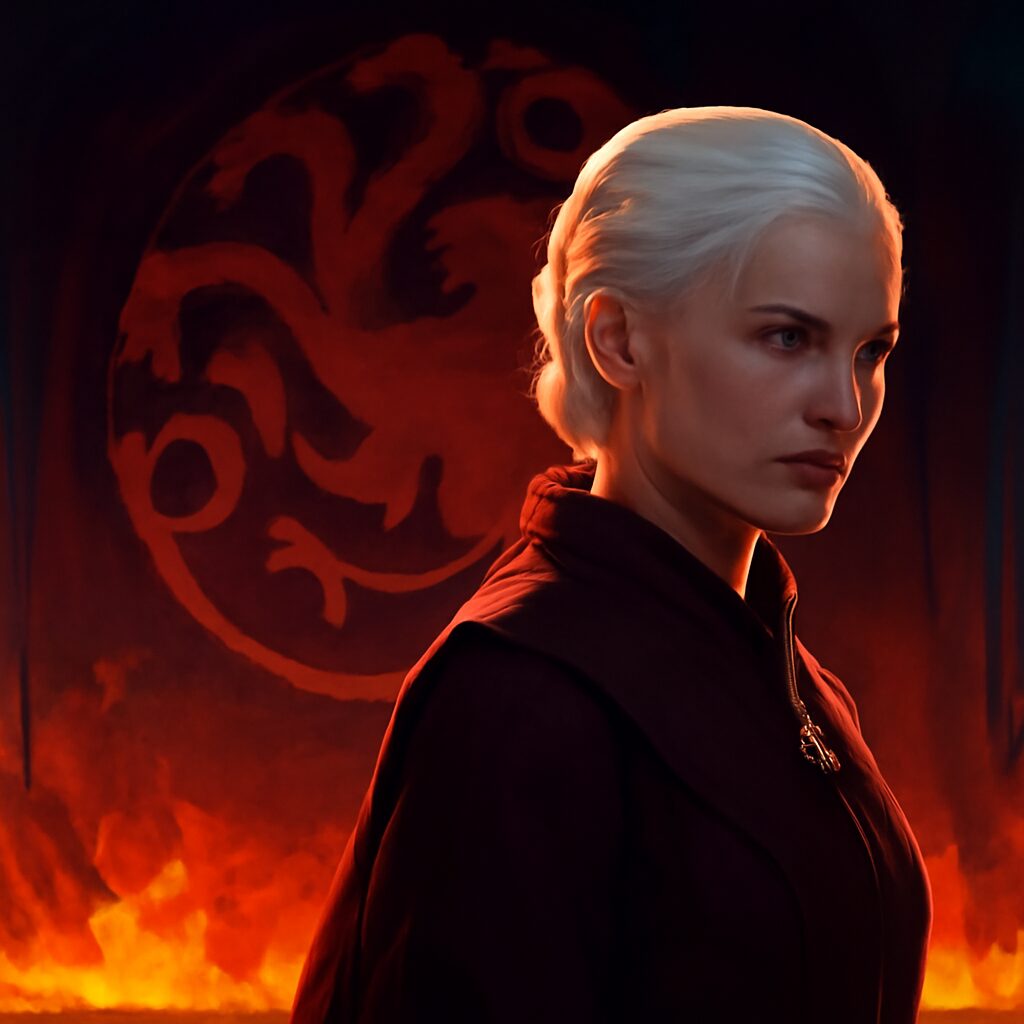
Season 3 has witnessed quite the transformation for Rhaenyra Targaryen, played by Emma D’Arcy. Once positioned as a potential hero, she now finds herself fully embracing the dark side, sacrificing her humanity in a desperate bid for power and victory against the Greens. This shift isn’t as sudden as Daenerys’ infamous turn in Game of Thrones; instead, it’s crafted with depth and nuance. Showrunner Ryan Condal shares that Rhaenyra is caught between the philosophies of her father, Viserys, and her uncle, Daemon—each representing different ways to wield power in this brutal landscape.
In the press conference for the season finale, Condal elaborated on Rhaenyra’s internal conflict, explaining that she grapples with whether she can maintain her values or if she must mirror Daemon’s ruthless approach to secure her reign. D’Arcy added that it was important for her character’s descent into tyranny to be relatable, especially in today’s context.
Meanwhile, Aegon’s surprising return has added even more drama to the mix. Both he and his brother Aemond have shown some surprising complexity this season. While neither can be labeled as a “good guy,” there are layers emerging in their characters that hint at potential growth. Condal notes that Aegon’s experiences away from the throne have helped him evolve into a more sympathetic figure.
As we delve into the finale, Rhaenyra’s dramatic declaration at the Great Sept reveals her ambitions and the prophecy of Aegon the Conqueror about a looming threat. In a bold move, she refers to herself as Rhaenyra the Chosen, igniting uncertainty among the populace about her leadership and sanity.
One of the biggest changes from the book is the portrayal of betrayal. In the series, Ulf the White stands alone in his treachery against Rhaenyra, diverging from the book where he was accompanied by Hugh Hammer. This alteration sets the stage for potential alliances and conflicts in the upcoming season.
The battle of Tumbleton showcased the fierce devastation that has become synonymous with this saga. Although the show took some creative liberties, the core of the battle remained true to the book’s narrative. The finale also hinted at the fallout from Rhaenyra’s decisions, such as her dismissal of Lady Mysaria, which could spell trouble for her in future episodes.
Helaena’s tragic fate adds another layer of complexity, culminating in a heart-wrenching moment that signals Rhaenyra’s complete moral descent. The showrunner has crafted this moment to echo the themes of isolation and tyranny that Rhaenyra will face moving forward.
As Rhaenyra alienates her allies, the series highlights the consequences of her authoritarian rule. The finale leaves us pondering the future of the Targaryen dynasty, with the promise of more drama and intrigue as the Dance of the Dragons progresses. With Season 4 on the horizon, fans are left to speculate whether the series will mirror the book’s fate or venture down its own twisted path.
In the end, House of the Dragon continues to deliver a gripping exploration of power, betrayal, and the dark depths of ambition. As we wait for the next installment, one thing’s for sure: this saga of dragons and political machinations is far from over!
As an Amazon Associate, PakGamersHub earns from qualifying purchases.