Skyrim’s Bruce Nesmith Weighs In: Why Baldur’s Gate 3’s Narrative Style is Great, But Bethesda’s Approach Still Shines
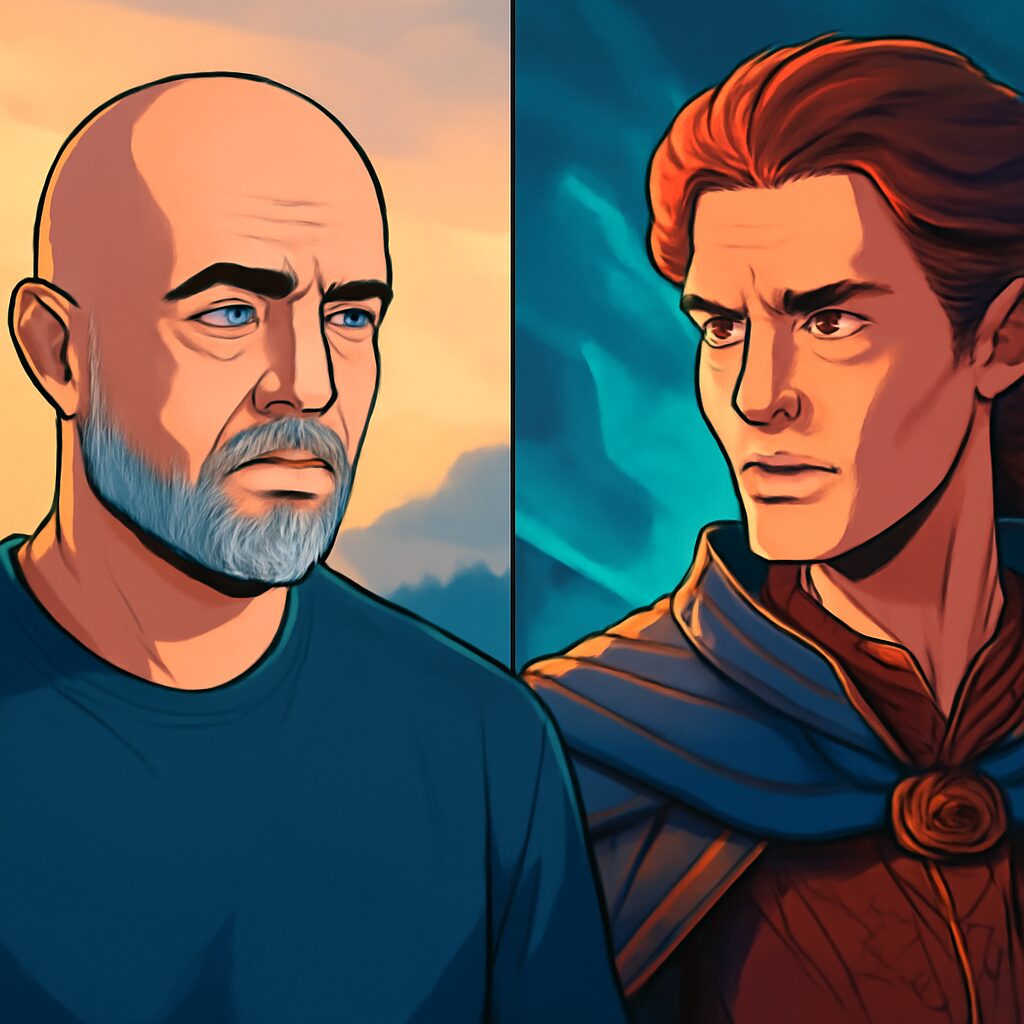
The gaming world has been buzzing with discussions about the incredible depth and reactivity of Baldur’s Gate 3 since its launch. It’s a game that sets a new bar for how player choices can genuinely impact the narrative, often leading to wildly different outcomes, including the permanent closure of certain story paths. This level of consequence has captivated players and developers alike, and now, a seasoned veteran of the RPG landscape has shared his insights.
Bruce Nesmith, renowned as the lead designer for Skyrim and a key figure in other iconic Bethesda titles, recently offered his perspective on Larian Studios’ critically acclaimed masterpiece. His takeaway? While Baldur’s Gate 3’s approach to storytelling is undeniably brilliant, it highlights a fundamental divergence in RPG design philosophies – one that Bethesda has long championed in its own unique way.
The Allure of Consequence: Nesmith on Baldur’s Gate 3
Nesmith expressed a deep appreciation for how Baldur’s Gate 3 masterfully handles player decisions, particularly the way it isn’t afraid to shut off entire questlines or character interactions based on your choices. This design choice forces players to live with the weight of their actions, making each playthrough feel incredibly personal and unique. It’s a system that thrives on presenting meaningful forks in the road, where saying “yes” to one path often means irrevocably saying “no” to another.
This approach fosters a sense of genuine consequence that many players crave in their RPGs. It encourages multiple playthroughs, as gamers are naturally curious about “what if” scenarios and the paths not taken. The narrative feels less like a fixed story with minor deviations and more like a fluid, reactive world shaped by your every interaction, decision, and even your character’s background.
- Reactive Storytelling: Decisions can permanently alter available quests and character relationships.
- Meaningful Consequences: Players feel the weight of their choices.
- High Replayability: Encourages multiple playthroughs to explore different paths.
- Personalized Journeys: Each story feels uniquely tailored to the player.
Bethesda’s Open-World Philosophy: Freedom Above All
While acknowledging the brilliance of Larian’s narrative design, Nesmith also articulated the distinct philosophy that has guided Bethesda’s RPGs, particularly titles like Skyrim and the Fallout series. Bethesda’s games traditionally prioritize player freedom and exploration within a vast, open world. The core design principle often revolves around allowing players to experience the majority of the content, regardless of their choices early in the game.
In a Bethesda RPG, if you miss a quest giver or make a decision that might conflict with a future storyline, the game often finds a way to reroute or adapt, ensuring you don’t miss out on large chunks of content. The emphasis is on providing an expansive sandbox where players can wander, discover, and create their own adventures, often with less rigid narrative gates than a game like Baldur’s Gate 3.
This isn’t to say Bethesda games lack choices or consequences, but their impact on the sheer breadth of available content tends to be less restrictive. The goal is often to provide an epic journey where players feel like they can truly shape their character’s destiny without being locked out of major portions of the game world.
Two Paths, Equally Rewarding
Nesmith summed up the comparison perfectly, stating that both approaches are valid and, crucially, both are incredibly fun. He highlighted that they simply offer different kinds of enjoyment. Larian’s design in Baldur’s Gate 3 offers the thrill of deep, branching narratives with significant, often irreversible, consequences. It’s a meticulously crafted web of choices and reactions.
“They were both fun, they’re just fun in different ways.”
Bethesda, on the other hand, provides unparalleled freedom in a sprawling open world, where the joy comes from exploration, discovery, and carving your own legend without the constant worry of permanently missing out on content. It’s a more sandbox-oriented experience, empowering players to engage with the world on their own terms.
The Evolving Landscape of RPG Design
This discussion from a veteran like Nesmith underscores the rich diversity within the RPG genre. There isn’t a single “right” way to design a role-playing game. Instead, developers choose to emphasize different aspects: some prioritize narrative reactivity and consequence, while others champion expansive freedom and exploration.
Ultimately, both design philosophies offer compelling experiences that cater to different player preferences. The conversation sparked by Baldur’s Gate 3 and Nesmith’s insights reminds us that the best RPGs are those that commit fully to their chosen vision, whether that’s a deeply reactive narrative or an unbound, player-driven sandbox.
For gamers worldwide, this means a vibrant future for RPGs, where developers continue to push boundaries and explore new ways to immerse us in incredible worlds, offering a rich tapestry of experiences for every kind of adventurer.
As an Amazon Associate, PakGamersHub earns from qualifying purchases.