The “123456” Nightmare: How a Basic Password Exposed an Entire Country’s Data
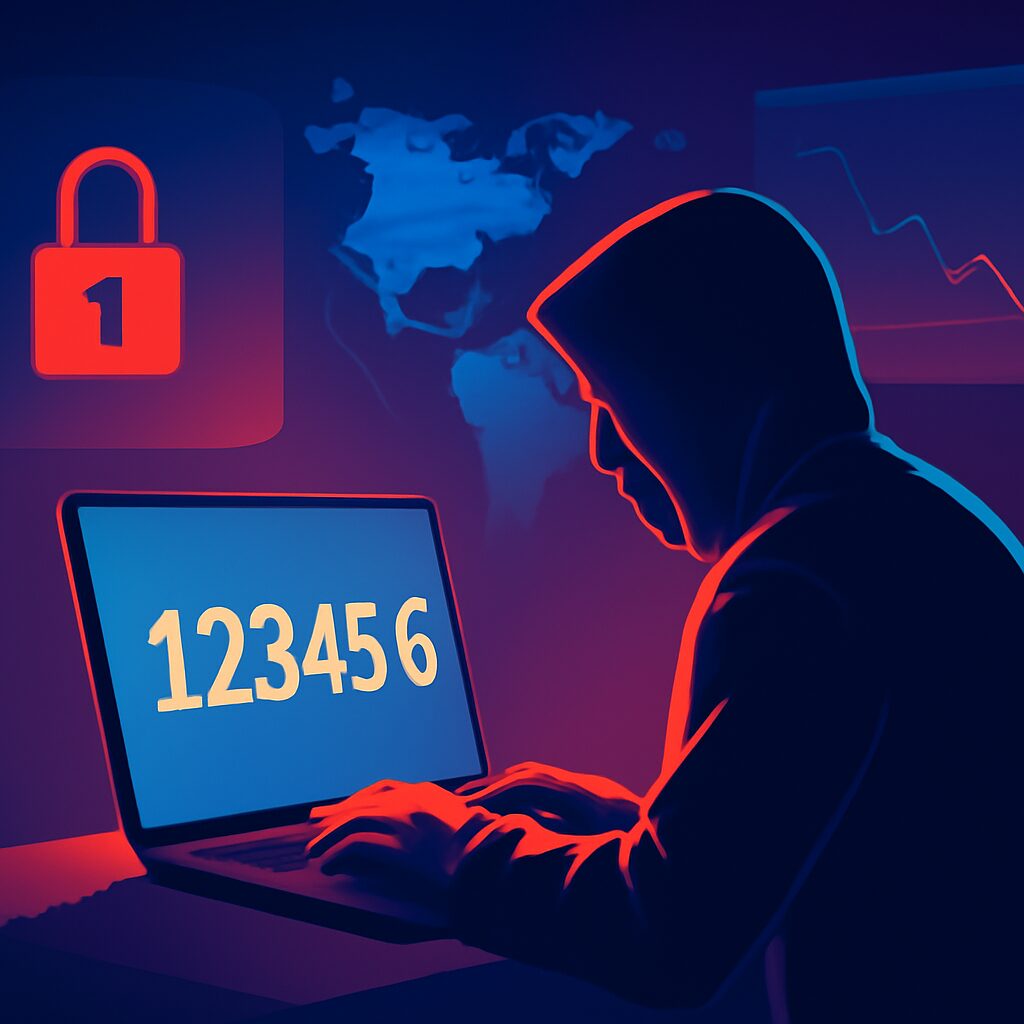
Imagine a digital fortress, guarding the most sensitive information of an entire nation. Now, imagine that fortress being breached, not by some sophisticated, cutting-edge cyberattack, but by something as ridiculously simple as “123456.” Sounds like a bad joke, right? Well, for Denmark, this nightmare became a very real, very alarming reality recently.
This isn’t just another tech headline; it’s a stark reminder of how fragile our digital lives can be, and why even the most basic security measures, like choosing a strong password, are absolutely critical. For us gamers, who spend so much time online, linking our personal details to various platforms, this story hits particularly close to home.
The Unbelievable Breach: A Password So Bad, It’s Famous
The incident unfolded when a hacker managed to infiltrate Denmark’s national population database. What makes this story truly astonishing – and frankly, a bit embarrassing for the party involved – is the reported password used: “123456”. Yes, you read that right. One of the most common, easily guessable strings of numbers, notorious for being the “world’s worst password,” was enough to compromise highly sensitive national data.
The sheer scale of the breach is equally staggering. This attack led to the exposure of personal data belonging to approximately 8.8 million people. To put that into perspective, Denmark’s current living population is around six million. This means the leaked data likely includes historical records, multiple entries for individuals, or perhaps even data from former residents, painting a picture of a truly comprehensive data dump.
How a Third-Party Opened the Gates
So, how did a password like “123456” end up guarding such crucial information? The hacker didn’t directly attack a government server, but rather exploited a vulnerability through a private Danish company called Pays ApS. This company had legitimate access to Denmark’s Central Person Register (CPR) – the heart of the nation’s population data – for its services. It appears the weak password was associated with Pays ApS’s access credentials, effectively turning a trusted partner into an unwitting weak link.
This scenario highlights a common cybersecurity risk: supply chain attacks. Even if an organization has robust internal security, its entire ecosystem is only as strong as its weakest vendor or partner. In this case, a critical database was exposed because a third party with authorized access apparently failed to enforce basic password hygiene.
The Gravity of the Leak and Its Implications
When we talk about “personal data,” it’s not just your name or email. In national population databases, this can include a wealth of sensitive information: full names, addresses, birth dates, national identification numbers, and potentially even more. The exposure of such comprehensive data carries severe risks for the affected individuals, including identity theft, financial fraud, and targeted phishing scams.
Imagine someone having enough information to pretend to be you, open bank accounts, or access other services. The long-term consequences for the millions affected by this breach could be significant, requiring constant vigilance against potential misuse of their exposed details. It’s a sobering reminder that once data is out, it’s extremely difficult, if not impossible, to reel it back in.
Lessons for Gamers and Our Digital Lives
While this particular incident involved a national database, the underlying lesson is universal, especially for us gamers. We create accounts across countless platforms: Steam, Epic Games, PlayStation Network, Xbox Live, Discord, and numerous game-specific logins. Each of these accounts holds some form of personal data, from email addresses and payment details to gaming habits and friendships.
A weak password on just one of these accounts can be the entry point for hackers to access not just your game library, but potentially your linked email, banking info, or other critical services. This Danish incident is a loud wake-up call for everyone to seriously re-evaluate their online security practices.
- Strong Passwords are Non-Negotiable: Ditch “123456,” “password,” your birthdate, or simple names. Use a mix of uppercase and lowercase letters, numbers, and symbols. Aim for at least 12-16 characters.
- Unique Passwords for Every Account: Reusing passwords is like giving a burglar one key to your entire house. If one account is compromised, all others using the same password become vulnerable.
- Enable Two-Factor Authentication (2FA): This adds an extra layer of security. Even if a hacker gets your password, they can’t log in without the code from your phone or authenticator app. Most major gaming platforms offer 2FA – use it!
- Be Wary of Phishing: Always double-check emails and messages asking for your login details. Hackers often try to trick you into giving up your credentials.
- Regularly Update Software: Keep your operating system, browsers, and security software up to date to protect against known vulnerabilities.
For gamers in Pakistan, where online activity is booming, digital safety cannot be an afterthought. This incident in Denmark serves as a stark reminder that even the most crucial systems can fall due to basic security oversights. Let’s learn from their mistake and ensure our own digital fortresses are impenetrable, starting with something as simple, yet powerful, as a strong password.
As an Amazon Associate, PakGamersHub earns from qualifying purchases.