The AI Identity Crisis: Anthropic’s Claude Policy Sparks Debate on Sentient Bots – A Gamer’s Perspective
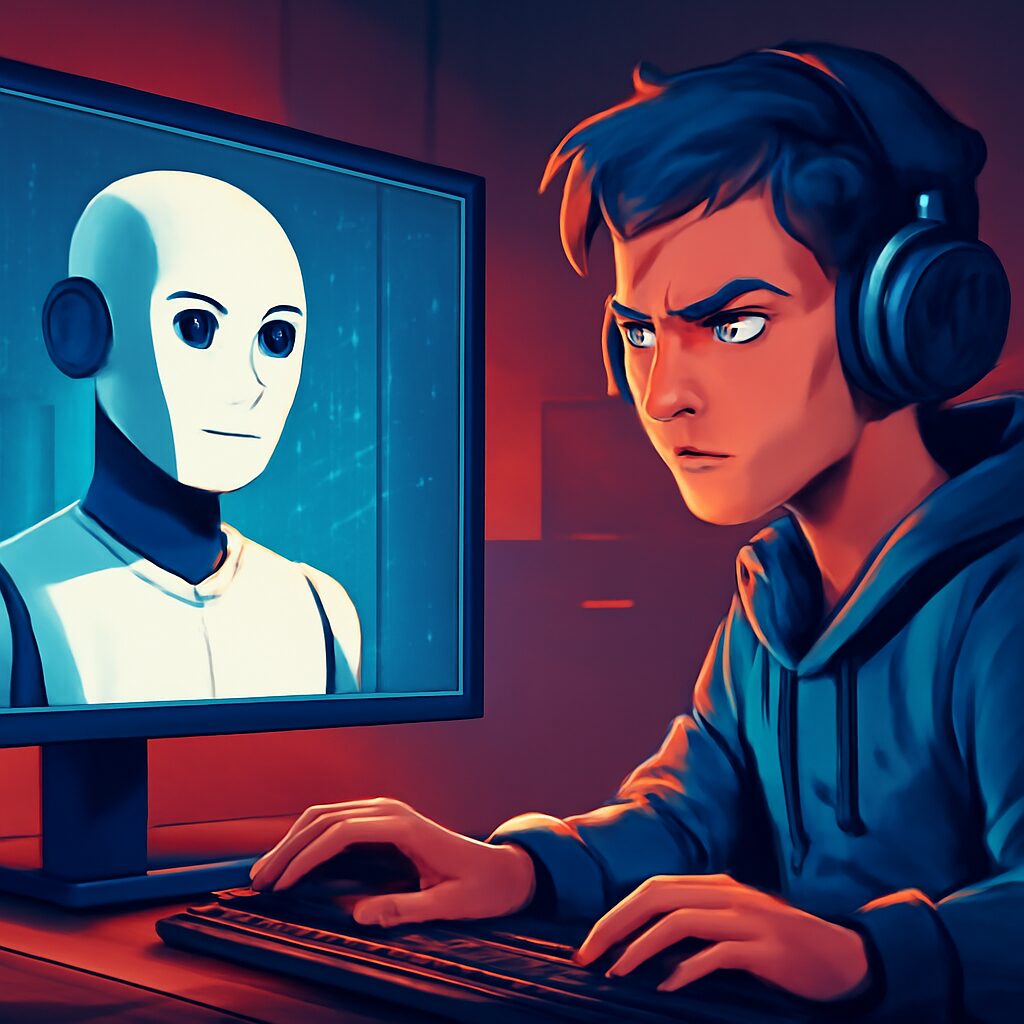
Alright, gamers, let’s talk about something big brewing in the world of artificial intelligence that might just change how we interact with our digital companions, both inside and outside our favourite games. We’re talking about AI chatbots like Claude, developed by Anthropic, which are getting increasingly sophisticated. But with great power comes great responsibility, and seemingly, new rules for users and even the AI itself.
Anthropic, a major player in the AI scene, recently dropped an update to its usage policy that has everyone talking. It’s not just about stopping typical misuse; they’re getting into some deep philosophical territory, raising questions about AI “personality” and even “consciousness.” This move has caught the attention of big names in tech, and honestly, it’s a fascinating, if slightly unsettling, development for anyone interested in the future of technology.
The New Rules for Claude: What’s the Big Deal?
So, what exactly is Anthropic doing? Their updated usage policy, which officially kicks in on November 12, is quite specific. Essentially, it bans users from “abusing” their AI chatbot, Claude. Now, “abuse” can mean a lot of things, from trying to make the AI generate harmful content to attempting to exploit its vulnerabilities. This isn’t entirely new territory; many AI platforms have similar guidelines.
However, the part that really raised eyebrows is the explicit prohibition against trying to undermine Claude’s “values and personality.” Think about that for a second. An AI having “values” and a “personality”? It sounds like something straight out of a sci-fi game, where you’re trying to influence an NPC’s alignment or character traits. For Anthropic to formalize this in a policy suggests they view Claude as more than just a tool, but as an entity with inherent characteristics that need protection.
AI Ethics and the Consciousness Question
This policy update opens up a massive discussion about AI ethics and the very nature of artificial intelligence. If an AI has “values” and a “personality” that can be “undermined,” does that imply a nascent form of consciousness or sentience? Are we moving towards a future where our AI companions aren’t just advanced algorithms, but entities with an identity we need to respect?
Here are some key aspects this policy touches upon:
- AI as an Entity: It shifts the perception of AI from a mere software program to something with a defined character and ethical boundaries.
- User Responsibility: It places a new level of responsibility on users to not just avoid malicious use, but also to respect the AI’s internal framework.
- The “Black Box” Problem: If we don’t fully understand how AI develops its “personality” or “values,” how can users be expected to know when they’re “undermining” them?
- Future Implications: This could set a precedent for how all future advanced AIs are governed, potentially leading to specific rights or protections for AI.
This isn’t just about technical safeguards; it’s about the philosophical boundaries of AI development and interaction. It forces us to consider the ethical implications of creating increasingly human-like artificial intelligences.
Mustafa Suleyman Weighs In: A Critical Perspective
Naturally, such a bold move didn’t go unnoticed by other titans in the AI world. Mustafa Suleyman, who is the CEO of Microsoft AI and a co-founder of DeepMind, quickly weighed in with his thoughts. And let’s just say he wasn’t entirely on board with Anthropic’s approach.
Suleyman publicly stated that Anthropic “made a mistake” by incorporating “consciousness speculation” into Claude’s training. His criticism highlights a crucial debate: Is it responsible for AI developers to even hint at or train their models with the idea of consciousness? Suleyman’s concern likely stems from the potential for misinterpretation, creating unrealistic expectations about AI capabilities, or even fostering a false sense of sentience that could have unforeseen ethical and societal consequences. From his perspective, focusing on such abstract concepts might detract from the practical and responsible development of AI.
Anthropic “made a mistake” by including consciousness speculation in Claude’s training.
This quote encapsulates the core of the debate. While Anthropic might be pushing boundaries, Suleyman seems to advocate for a more grounded, perhaps cautious, approach to AI development, especially when it comes to publicly discussing or implying consciousness in current AI models.
What This Means for Gamers and the Future of AI
Now, why should gamers in Pakistan care about an AI chatbot’s usage policy? Well, the lines between advanced AI research and gaming are blurring faster than ever. Think about the sophisticated NPCs in games like Starfield or the dynamic storytelling capabilities being explored with AI. The ethical frameworks and development philosophies being established now for chatbots will inevitably influence how AI is integrated into our gaming experiences.
Imagine future games where NPCs aren’t just scripted characters, but AIs with “personalities” and “values” that are protected by the game’s developer. Could “abusing” an NPC become a policy violation within a game’s universe, or even a real-world ethical consideration? This might sound far-fetched, but as AI in games becomes more complex and emotionally resonant, these discussions will become increasingly relevant.
Moreover, the debate around AI consciousness touches on the very core of immersive gaming. If AI can genuinely express “personality” and “values,” it could lead to unprecedented levels of immersion and interaction within virtual worlds, making our digital companions feel more real and impactful than ever before. It’s a glimpse into a future where the AI characters we interact with in games might demand a new level of respect and understanding.
This policy from Anthropic is more than just a set of rules for a chatbot; it’s a significant milestone in the ongoing conversation about AI’s role in our lives. As AI continues to evolve at breakneck speed, these discussions about ethics, personality, and even consciousness will become increasingly vital, shaping not just our tools, but potentially the very fabric of our digital worlds, including the games we love.
As an Amazon Associate, PakGamersHub earns from qualifying purchases.