The Great Deception: Ex-BioWare Lead Reveals How Dragon Age: Inquisition’s Launch Was A ‘Lie’ To EA
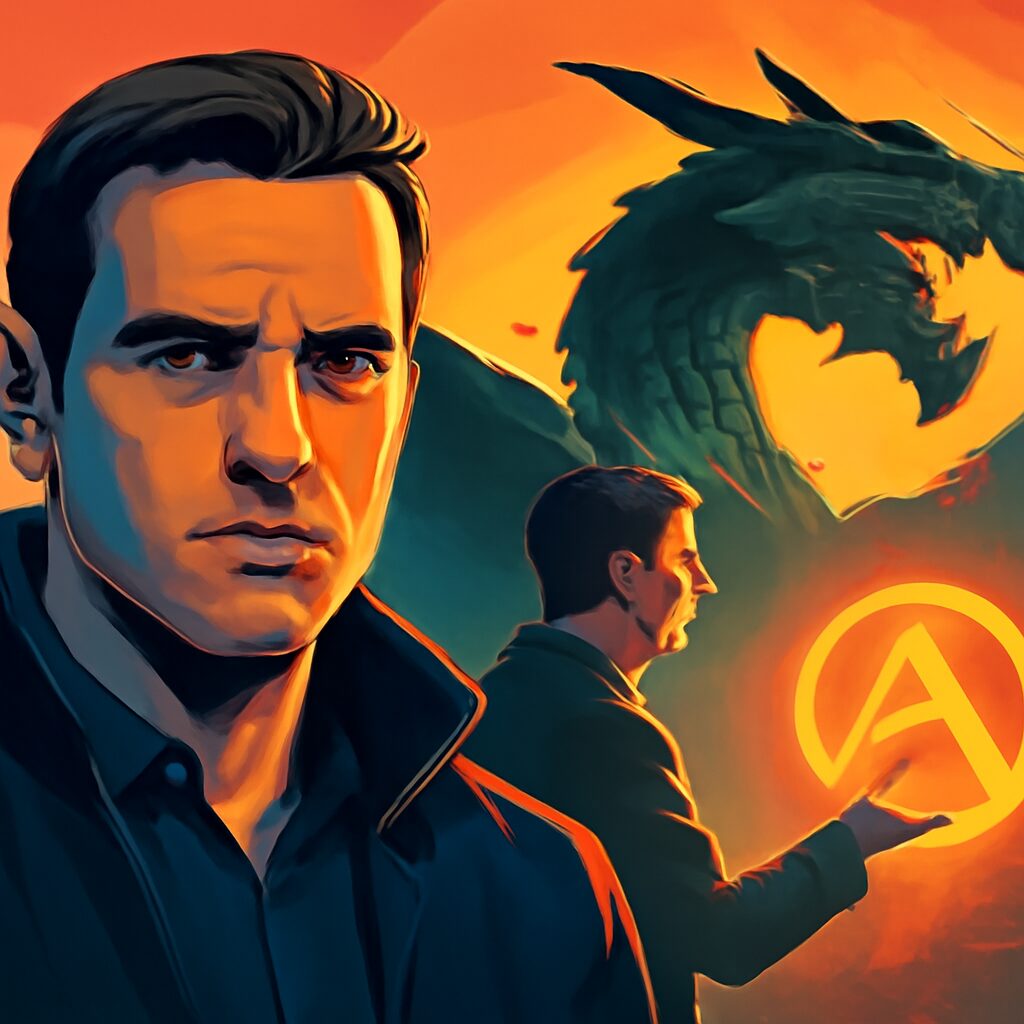
Ever wonder about the behind-the-scenes drama that shapes our favorite games? The world of game development is often shrouded in mystery, with studios battling deadlines, technical hurdles, and the ever-present pressure from publishers. Sometimes, though, the truth behind a game’s journey to release is even wilder than we imagine.
A recent revelation from a former BioWare veteran has peeled back the curtain on one such instance, involving the beloved RPG, Dragon Age: Inquisition. It turns out the game’s initial promise to publisher EA was, to put it mildly, a significant fabrication.
The Great Deception: BioWare’s Bold Claim
The surprising confession comes from none other than Mark Darrah, a longtime BioWare veteran and former Dragon Age series lead. Speaking publicly, Darrah detailed how the studio made a rather audacious pitch to Electronic Arts regarding Dragon Age: Inquisition’s release window. According to Darrah, BioWare informed EA that the highly anticipated RPG would be a launch title for the upcoming Xbox One console.
This meant an expected release around November 2013, coinciding with the debut of the eighth console generation. However, Darrah’s candid admission paints a very different picture of BioWare’s true intentions at the time. The studio, he states, had no real plan to meet that ambitious target.
A Promise Unkept: The Reality Behind the Scenes
Darrah didn’t mince words when describing the internal strategy regarding the launch date. He revealed that the commitment to EA was not backed by any concrete development schedule or even a genuine belief within the studio that it was achievable. In his own stark terms, BioWare simply ‘lied’ to their publisher.
“To be clear, we were lying,” Darrah reportedly stated. “It was never gonna happen, and we didn’t even build around – like, we didn’t pretend and make the team work to that date. We just lied.”
This isn’t to say the development team wasn’t working hard, but rather that the internal roadmap for Dragon Age: Inquisition never aligned with the launch window publicly communicated to EA. The game was always destined for a later release, despite what the publisher was led to believe, which likely also applied to the PlayStation 4 launch expectations.
From Fib to Forgiveness: The Road to Release
So, if BioWare was ‘lying’ about the launch date, what was the real story? Dragon Age: Inquisition didn’t actually hit shelves until November 2014 – a full year after the Xbox One and PlayStation 4 launched. This significant delay suggests that the initial ‘launch title’ pitch was likely a strategy to secure approval or funding for the project, rather than a realistic timeline.
The decision to greenlight the game was largely influenced by the positive reception and commercial success of its predecessor, Dragon Age 2. EA, pleased with the performance, was reportedly on board with a new installment that BioWare estimated could be completed in about two-and-a-half years. This initial timeline, however, proved to be fluid, stretching first by a year, and then by an additional six weeks, pushing the release further into 2014.
Here are some key takeaways from Darrah’s surprising confession:
- BioWare informed EA that Dragon Age: Inquisition would be an Xbox One launch title.
- This promise was, in Darrah’s words, a deliberate “lie.”
- The studio had no genuine plan or development schedule to meet the November 2013 target.
- The game ultimately launched a full year later in November 2014, on both Xbox One and PlayStation 4.
The Unexpected Triumph and Its Aftermath
Despite the significant delay and the initial deception, the story of Dragon Age: Inquisition took a turn for the triumphant. When it finally arrived, the game was a critical and commercial smash hit. It went on to become BioWare’s best-selling single game, moving an incredible 12 million units worldwide.
This monumental success far exceeded EA’s initial expectations, effectively smoothing over any ruffled feathers caused by the extended development time and the misleading initial pitch. It seems the quality and popularity of the final product were more than enough to earn BioWare forgiveness from its publisher.
However, this peak performance also marked a significant turning point for BioWare. While Inquisition was a resounding success, the years that followed presented considerable challenges for the storied developer. Subsequent titles like Mass Effect: Andromeda and Anthem faced mixed receptions and commercial struggles, leading to introspection and restructuring within the studio. The upcoming Dragon Age: The Veilguard (formerly Dreadwolf) now carries the weight of high expectations, with fans eagerly anticipating a return to form for the beloved fantasy RPG series.
This peek behind the curtain offers a fascinating glimpse into the complex relationship between developers and publishers, and the often-unconventional paths games take to reach our screens. For gamers, it’s a reminder that even when things don’t go according to the original plan, sometimes the result can still be a truly unforgettable adventure.
As an Amazon Associate, PakGamersHub earns from qualifying purchases.