The Impact of AI Restrictions on Cybersecurity Research
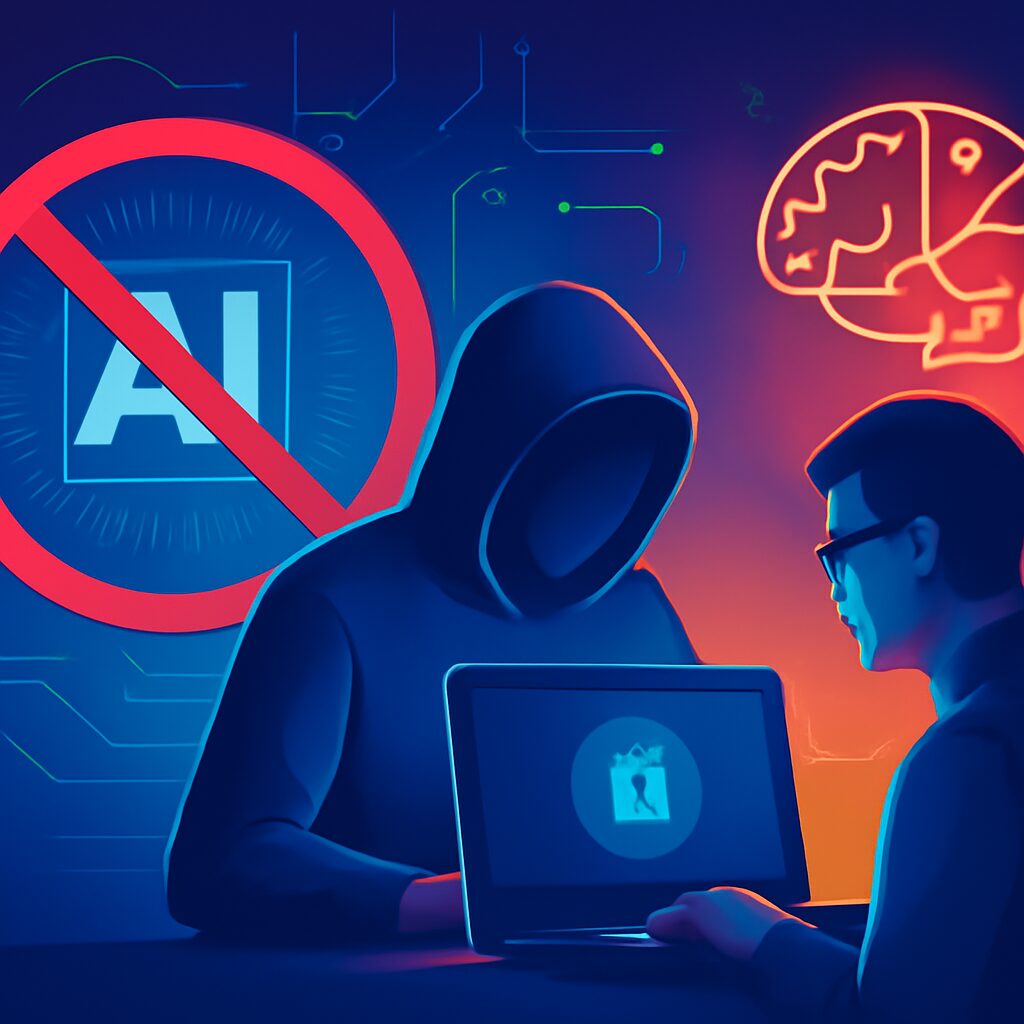
Recently, we had a chance to chat with various cybersecurity experts who are deep into discovering unseen vulnerabilities and crafting tools to take advantage of them. Their work is crucial for enhancing digital security, but they’re facing some unique challenges thanks to the limitations set by AI companies like OpenAI and Anthropic.
These tech giants have implemented guardrails designed to prevent potential misuse of their AI technologies. While the intention is clearly to promote safer AI usage, it’s causing a ripple effect that is making life a bit tougher for cybersecurity researchers. These experts rely on these advanced tools to identify weaknesses in systems, and the restrictions are hindering their ability to innovate and effectively address security flaws.
Researchers are expressing concerns that these limitations might not just slow down their progress but could also leave systems vulnerable to threats. They’re navigating a complex landscape where the tools designed to empower them are also becoming a source of frustration. The balance between good AI governance and the freedom needed for offensive security work is an ongoing discussion that has significant implications for the future of cybersecurity.
As this situation unfolds, it’s clear that while safety measures are important, they should not come at the expense of progress in identifying and mitigating security risks. The world of cyberspace is complex and ever-evolving, and researchers are eager to find a way to work effectively within these new constraints.
As an Amazon Associate, PakGamersHub earns from qualifying purchases.